Topic wise notes as per new NCHM-JNU syllabus (for B.Sc HHA & M.Sc HA) are are now available at our new website hospitality.institute
Select Page

2nd Sem Food Production Notes

Syllabus BHM151 (T)

01 Soups

  1. Basic recipes other than consommé with menu examples
    1. Broths
    2. Bouillon
    3. Puree
    4. Cream
    5. Veloute
    6. Chowder
    7. Bisque etc
  2. Garnishes and accompaniments
  3. International soups

02 Sauces & Gravies

  1. Difference between sauce and gravy
  2. Derivatives of mother sauces
  3. Contemporary & Proprietary

03 Meat Cookery

  1. Introduction to meat cookery
  2. Cuts of beef/veal
  3. Cuts of lamb/mutton
  4. Cuts of pork
  5. Variety meats (offals)
  6. Poultry (With menu examples of each)

04 Fish Cookery

  1. Introduction to fish cookery
  2. Classification of fish with examples
  3. Cuts of fish with menu examples
  4. Selection of fish and shell fish
  5. Cooking of fish (effects of heat)

05 Rice, Cereals & Pulses

  1. Introduction
  2. Classification and identification
  3. Cooking of rice, cereals and pulses
  4. Varieties of rice and other cereals

06 i) Pastry

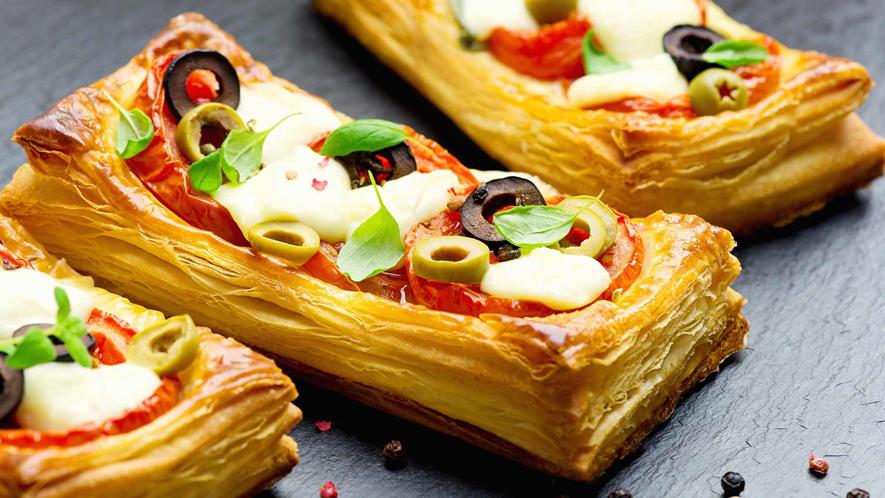
  1. Short crust
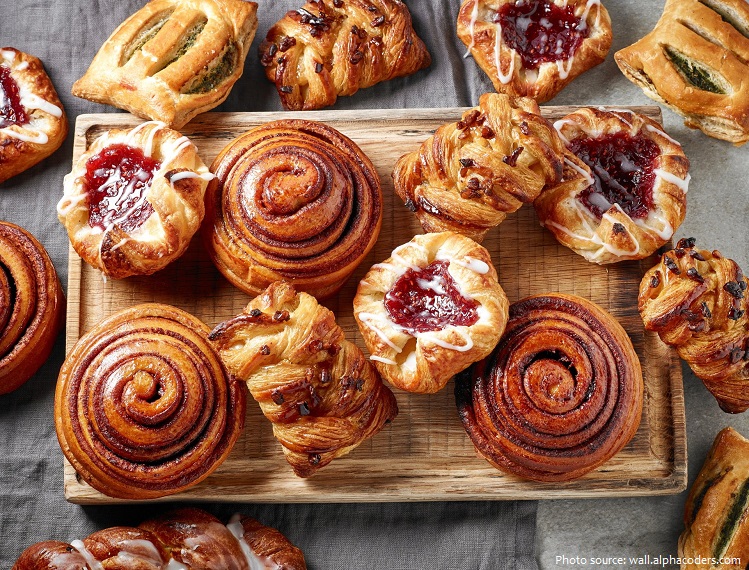
  2. Laminated
  3. ChouxHot water/Rough puff
    1. Recipes and methods of preparation
    2. Differences
    3. Uses of each pastry
    4. Care to be taken while preparing pastry
    5. Role of each ingredient
    6. Temperature of baking pastry

ii) Flour

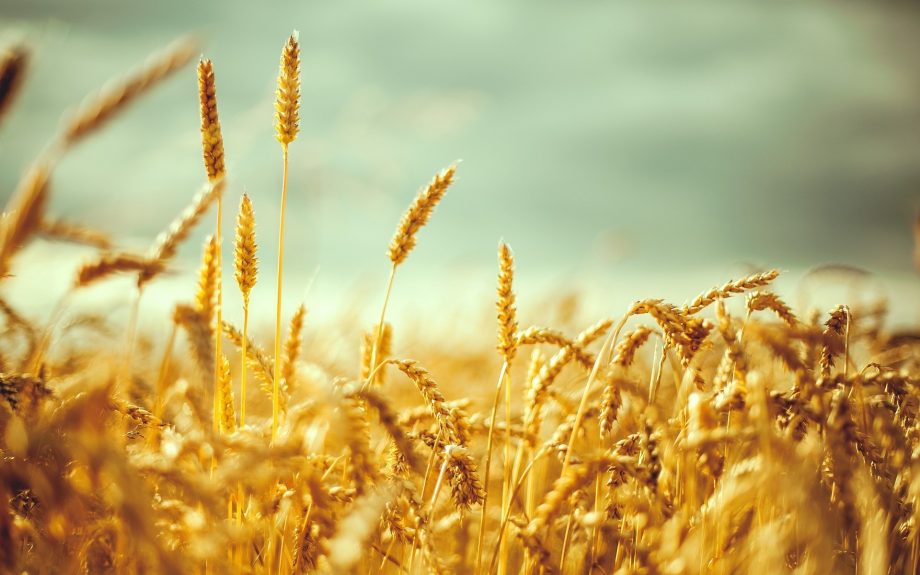
  1. Structure of wheat
  2. Types of Wheat
  3. Types of Flour
  4. Processing of Wheat – Flour
  5. Uses of Flour in Food Production
  6. Cooking of Flour (Starch)

iii) Simple Breads

  1. Principles of bread making
  2. Simple yeast breads
  3. Role of each ingredient in bread making
  4. Baking temperature and its importance

07 Pastry Creams

  1. Basic pastry creams
  2. Uses in confectionery
  3. Preparation and care in production

08 Basic Commodities

i) Milk

  1. Introduction
  2. Processing of Milk
  3. Pasteurisation – Homogenisation
  4. Types of Milk – Skimmed and Condensed
  5. Nutritive Value

ii) Cream

  1. Introduction
  2. Processing of Cream
  3. Types of Cream

iii) Cheese

  1. Introduction
  2. Processing of Cheese
  3. Types of Cheese
  4. Classification of Cheese
  5. Curing of Cheese
  6. Uses of Cheese

iv) Butter

  1. Introduction
  2. Processing of Butter
  3. Types of Butter

09 Basic Indian Cookery

i) Condiments & Spices

  1. Introduction to Indian food
  2. Spices used in Indian cookery
  3. Role of spices in Indian cookery
  4. Indian equivalent of spices (names)

ii) Masalas

  1. Blending of spices
  2. Different masalas used in Indian cookery
    1. Wet masalas
    2. Dry masalas
  3. Composition of different masalas
  4. Varieties of masalas available in regional areas
  5. Special masala blends

10 Kitchen Organization and Layout

  1. General layout of the kitchen in various organisations
  2. Layout of receiving areas
  3. Layout of service and wash up

Syllabus with topics linked

Syllabus BHM151 (T)

01 Soups

  1. Basic recipes other than consommé with menu examples
    1. Broths
    2. Bouillon
    3. Puree
    4. Cream
    5. Veloute
    6. Chowder
    7. Bisque etc
  2. Garnishes and accompaniments
  3. International soups

02 Sauces & Gravies

  1. Difference between sauce and gravy
  2. Derivatives of mother sauces
  3. Contemporary & Proprietary

03 Meat Cookery

  1. Introduction to meat cookery
  2. Cuts of beef/veal
  3. Cuts of lamb/mutton
  4. Cuts of pork
  5. Variety meats (offals)
  6. Poultry (With menu examples of each)

04 Fish Cookery

  1. Introduction to fish cookery
  2. Classification of fish with examples
  3. Cuts of fish with menu examples
  4. Selection of fish and shell fish
  5. Cooking of fish (effects of heat)

05 Rice, Cereals & Pulses

  1. Introduction
  2. Classification and identification
  3. Cooking of rice, cereals and pulses
  4. Varieties of rice and other cereals

06 i) Pastry

  1. Short crust
  2. Laminated
  3. ChouxHot water/Rough puff
    1. Recipes and methods of preparation
    2. Differences
    3. Uses of each pastry
    4. Care to be taken while preparing pastry
    5. Role of each ingredient
    6. Temperature of baking pastry

ii) Flour

  1. Structure of wheat
  2. Types of Wheat
  3. Types of Flour
  4. Processing of Wheat – Flour
  5. Uses of Flour in Food Production
  6. Cooking of Flour (Starch)

iii) Simple Breads

  1. Principles of bread making
  2. Simple yeast breads
  3. Role of each ingredient in bread making
  4. Baking temperature and its importance

07 Pastry Creams

  1. Basic pastry creams
  2. Uses in confectionery
  3. Preparation and care in production

08 Basic Commodities

i) Milk

  1. Introduction
  2. Processing of Milk
  3. Pasteurisation – Homogenisation
  4. Types of Milk – Skimmed and Condensed
  5. Nutritive Value

ii) Cream

  1. Introduction
  2. Processing of Cream
  3. Types of Cream

iii) Cheese

  1. Introduction
  2. Processing of Cheese
  3. Types of Cheese
  4. Classification of Cheese
  5. Curing of Cheese
  6. Uses of Cheese

iv) Butter

  1. Introduction
  2. Processing of Butter
  3. Types of Butter

09 Basic Indian Cookery

i) Condiments & Spices

  1. Introduction to Indian food
  2. Spices used in Indian cookery
  3. Role of spices in Indian cookery
  4. Indian equivalent of spices (names)

ii) Masalas

  1. Blending of spices
  2. Different masalas used in Indian cookery
    1. Wet masalas
    2. Dry masalas
  3. Composition of different masalas
  4. Varieties of masalas available in regional areas
  5. Special masala blends

10 Kitchen Organization and Layout

  1. General layout of the kitchen in various organisations
  2. Layout of receiving areas
  3. Layout of service and wash up
Soups

Soups

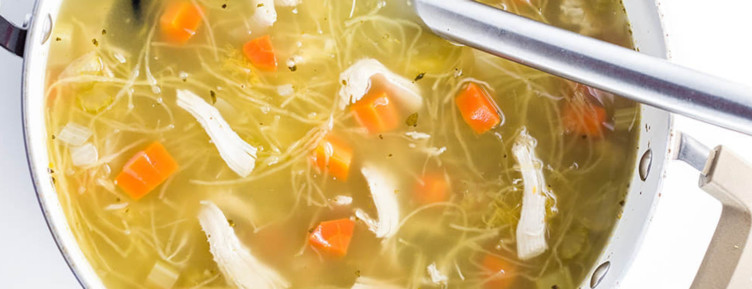
Soup – Recipes and Types Soup is a liquid food consisting of meat, sea-food, vegetable, cereals, poultry etc. They plan an important role on the menu and are regarded as appetizer as they stimulated the appetite for the heavier food to follow. On the menu they are...

read more
Broth Soup

Broth Soup

Broth Soup The broth is a savory liquid made of water in which bones, meat, or vegetables have been simmered. It can be eaten alone, but it is most commonly used to prepare other dishes, such as soups, gravies, and sauces. Commercially prepared liquid broths are...

read more
Bouillon Soup

Bouillon Soup

Discover the charm of Bouillon, the culinary liquid that brings depth and flavor to numerous dishes. Dive into our guide for all things Bouillon!

read more
Puree Soup

Puree Soup

Puree Soup     Many vegetables have starch which used as thickening agent i.e. Potatoes, Cereals, and leguminous plant. but some vegetables do not work as a thickener and need an additional thickening agent.  Pureed soups or Potages purées are soups, that are...

read more
Cream Soup

Cream Soup

Cream Soup  It is a composition of a puree of vegetables, meat, fish, or poultry, thickened with bechamel sauce or given a cream finish. Milk is used for the thickness of soups. Cream soup is a soup prepared using cream, light cream, half and half or milk as a key...

read more
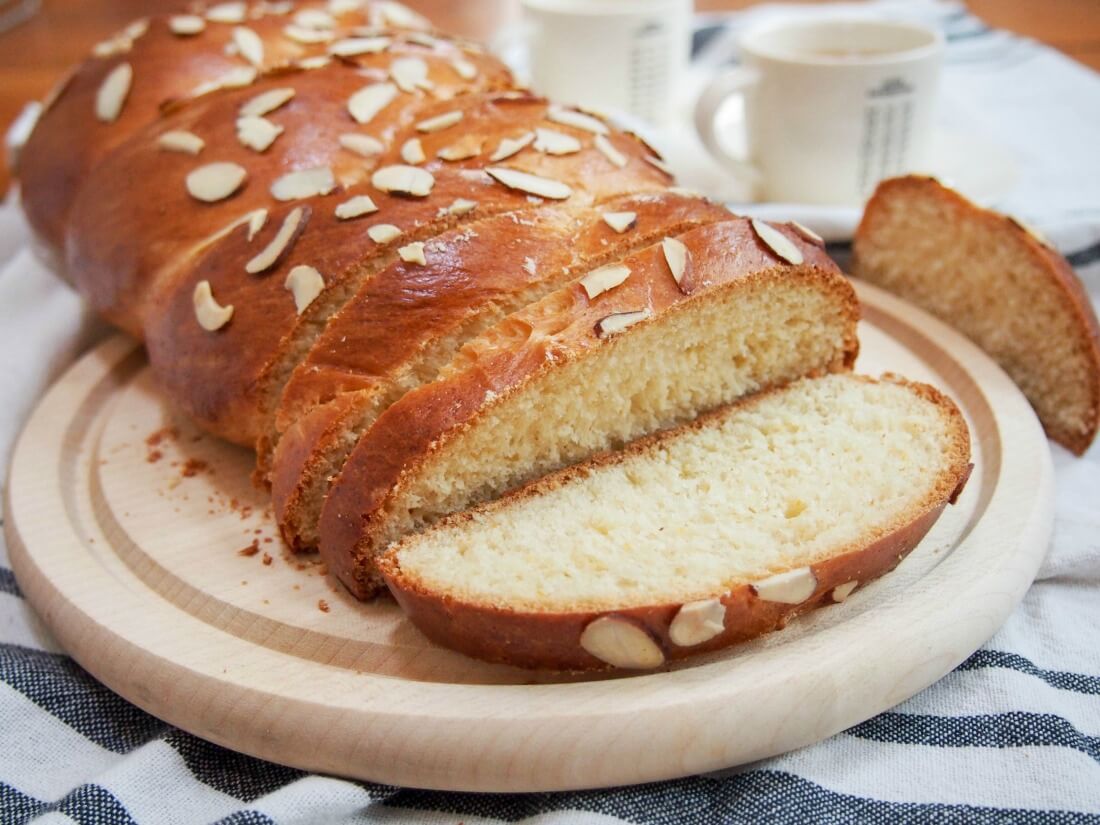
Veloute Soup

Veloute Soup

Veloute      It is made by preparing blond roux and stock and maybe add vegetables, meat then named accordingly to adding items i.e. chicken veloute, fish veloute. A roux is made by cooking equal amount of flour and butter on simmer heat. It finished with a liaison...

read more
Chowder Soup

Chowder Soup

Chowder Soup Chowder       It is a thickened with potatoes and not strained and based on sea-food soups and finishing with milk or cream. Chowder originated from the USA but its classical version came from Manhattan and famous as  Manhattan Chowder. Chowder is a type...

read more
Bisque Soup

Bisque Soup

Bisque Soup Bisque     It is shellfish puree soups, thickened with rice or cream. It is passed and garnished with dices of the sea-food. Bisque is a smooth, creamy, highly seasoned soup of French origin, classically based on a strained broth of crustaceans. It can be...

read more
Garnishes and accompaniments

Garnishes and accompaniments

Garnishes           Croutons              Dices or other shapes made from bread, pastry, toast.     Vegetables          Cut in various sizes, shapes-round slices, juliennes, dices of spring printaniere vegetables.     Profitroles      Prepared form chou paste. They...

read more
Proprietary and Contemporary Sauces

Proprietary and Contemporary Sauces

PROPRIETARY SAUCE These are industry made sauces. Some of them are:- • Soya sauce (Soy sauce is a brown, salty, liquid used as a condiment or seasoning in many Asian cuisines) • Worcestershire sauce (Fermented liquid condiment of complex mixture) • H.P. Sauce ( Tomato...

read more
Meat Cookery

Meat Cookery

Meat is muscle tissue. It is the flesh of domestic animals (cattle, hogs, lamb) and of wild game animals such as venison. Meat is a main stay of our diet Slaughtering Five main stages:1)Antemortem Inspection2)Stunning3)Bleeding4)Dressing5)Inspection 1)Ante –mortem...

read more
Cuts of beef/veal

Cuts of beef/veal

Beef is the meat from bovines, especially domestic cattle. Fresh beef has cream-colored fat and bright red meat. The best beef is marbled with fine strands of fat, which bastes the meat as it cooks and makes it tender and juicy. Veal comes from young calves, and so...

read more
Cuts of lamb/mutton

Cuts of lamb/mutton

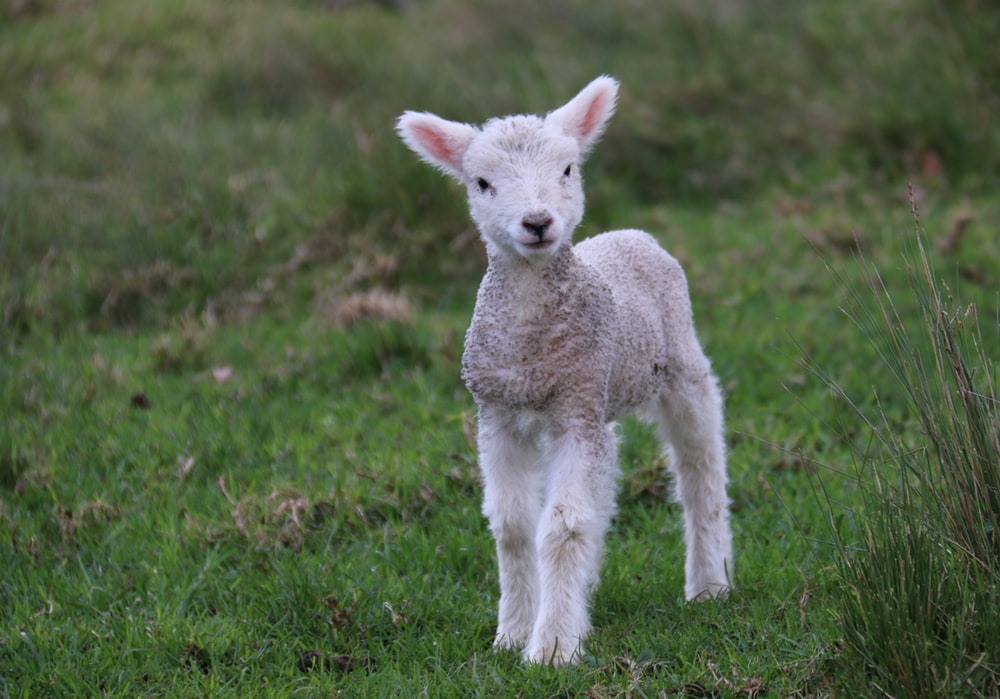
Mutton and Lamb The terms #lamb, hogget or #mutton are named for the animals or meat of a domestic sheep. The meat of a sheep a year old or ‘ younger is generally known as lamb, whereas the meat of an older sheep is either hogget or mutton depending on its age and...

read more
Cuts of pork

Cuts of pork

Cuts of Pork Head: This can be used to make brawn, stocks, and soups. After boiling the ears can be fried or baked and eaten separately, which are crunchy due to corliage bones. It is considered a delicacy. Spare Rib: This is the shoulder and contains the shoulder...

read more
Variety meats (offals)

Variety meats (offals)

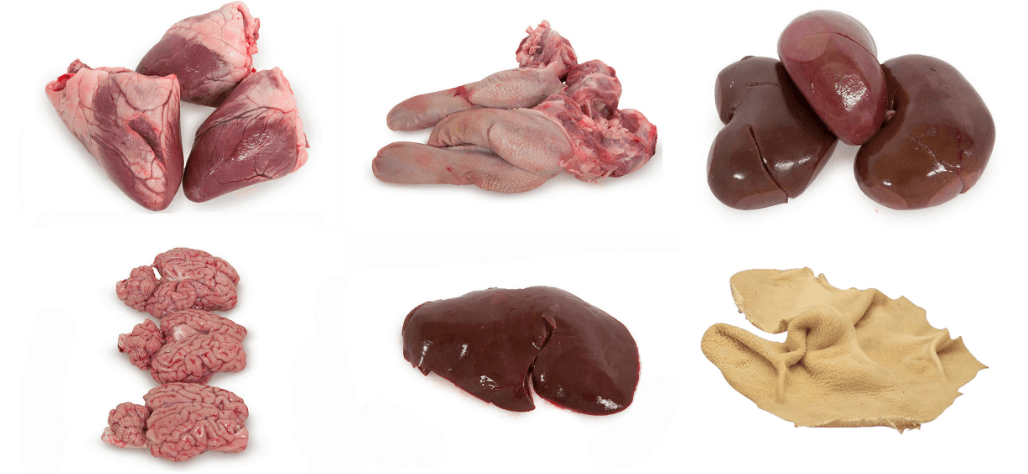
Offal (Variety Meats) Offal, also referred to as variety meats, is the name for internal organs and entrails of a butchered animal. The word does not refer to a particular list of edible organs, which varies by culture and region, but includes most internal organs...

read more
Poultry (With menu examples of each)

Poultry (With menu examples of each)

Poultry is the name even to domestic birds. It includes the different variety and sizes of chicken, turkey, duck, and goose. Classification of poultry: Identification of poultry: soft, floppy, feathers should be all over the body and concentrated under the wings. The...

read more
Fish Cookery

Fish Cookery

Fish – Recipes & Cooking Fish are vertebrates and have skin and scales, which cover the body and they move with the help of fines. Fish is very much of a food of the nineties, the epitome of modern cooking and eating styles – low in fat, high in protein, rich in...

read more
Rice, Cereals & Pulses

Rice, Cereals & Pulses

Rice Rice is the seed of themonocot plants Oryza sativa (Asian rice) or Oryza glaberrima(African rice). As a cereal grain, it is the most widely consumed staple food for a large part of the world's human population, especially in Asia. It is the grain with the...

read more
Varieties of rice and other cereals

Varieties of rice and other cereals

TYPES OF RICE   There are two main factors that determine the type of rice available to the caterer. A) The size and shape of the grain: a) Short grain rice (Carolina rice): This is short, plump grain which sticks on cooking. b) Medium grain: Slightly longer than...

read more
Pastry

Pastry

Pastry Most kinds of pastry are made with a combination of flour, fat and a liquid to bind. The texture, flavor, and color of the resulting pastry will vary tremendously depending on the proportions and type of ingredients used. Main Ingredients of pastry Flour The...

read more
Types of Pastry

Types of Pastry

Types of Pastry Shortcrust Pastry Shortcrust pastry -  is a type of pastry often used for the base of a tart, quiche or pie. It does not puff up during baking because it usually contains no leavening agent. It is possible to make shortcrust pastry with self-raising...

read more
Pastry Recipes and methods of preparation

Pastry Recipes and methods of preparation

CLASSIFICATION Of PASTRY Short Crust > 1. Rub in Method, 2. Creaming Method Choux Pastry > Hot Water Crust Puff Pastry > – Flaky, – Rough Puff, – Full Puff, – Danish Rub-in Method The proportion of fat to flour is 1:2. Weak flour is used so it absorbs less...

read more
Care to be taken while Preparing Pastry

Care to be taken while Preparing Pastry

Care to be taken while Preparing Pastry Handle pastry as little as possible. The more that pastry is handled, the tougher it becomes. Ideally, pastry should be handled quickly and lightly, to avoid toughening, drying out and hardening. The more pastry is handled, the...

read more
Role of Each Ingredients in Pastry

Role of Each Ingredients in Pastry

Role of each ingredient in Pastry The very nature of most pastries is to be light, airy, flaky, and buttery. All pastry starts out as a combination of ingredients, such as flour, water, salt, butter or other fats, and is made by using different ingredients, mixing and...

read more
Flour Introduction: Categories & Judging Quality

Flour Introduction: Categories & Judging Quality

Flour is a powder which is made by grinding cereal grains or other seeds or roots. It is the main ingredient of bread, which is a staple food for many cultures. Wheat flour is one of the most important ingredients in Oceanic, European, North American, Middle Eastern,...

read more
Structure of wheat

Structure of wheat

The endosperm is the potential white flour within the centre of the wheat grain. When milled, the endosperm fractures along the cell walls and separates from the bran layers. The ease of separating the endosperm from the bran layers is determined by the wheat's...

read more
Types of Wheat

Types of Wheat

Wheat is categorised according to its hardness(hard/soft), colour (red/white) and shape of its kernel. Hard Red Winter Hard Red Spring Soft Red Winter Durum Hard White Wheat Soft White Wheat THE DIFFERENT PURPOSES OF DIFFERENT TYPES OF WHEAT The protein content of the...

read more
Types of Flour

Types of Flour

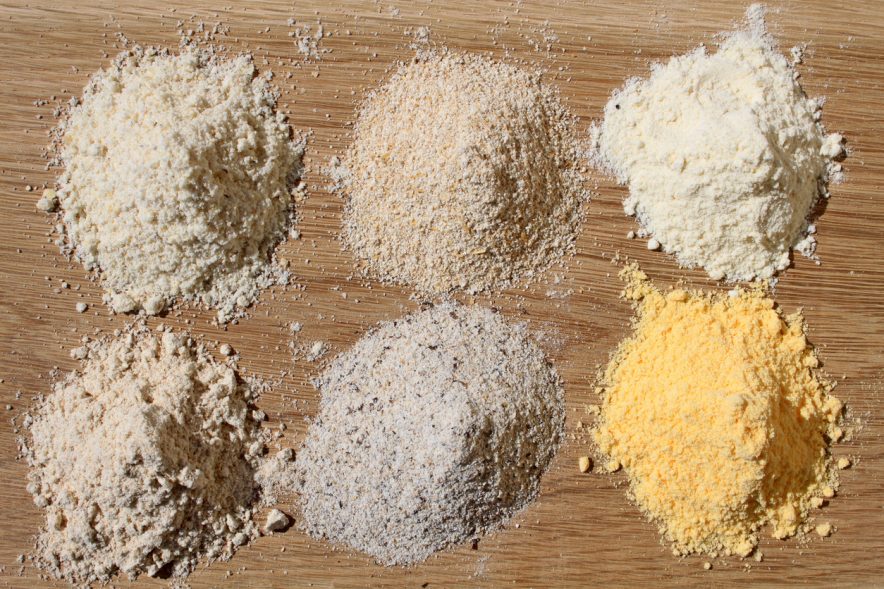
Acorn flour is made from ground acorns and can be used as a substitute for wheat flour. It was used by Native Americans. Koreans also use acorn flour to make dotorimuk. Almond flour is made from ground almonds, suitable for people with gluten-free diets or coeliac...

read more
Processing of Wheat – Flour

Processing of Wheat – Flour

Flour is a finely ground powder prepared from grain or other starchy plant foods and used in baking. Although flour can be made from a wide variety of plants, the vast majority is made from wheat. The earliest methods used for producing flour all involved grinding...

read more
Uses of Flour in Food Production

Uses of Flour in Food Production

Uses of flour: Cakes and pastries As thickening agents ( roux) Pasta Cookies and biscuits Pancake Tortilla A video for you to dig a little deeper Understanding Different Flours and When to Use Them:- https://www.youtube.com/watch?v=pkEp26sck58...

read more
Cooking of Flour (Starch)

Cooking of Flour (Starch)

Starch: A solid carbohydrate that is granular in form and naturally present in many plants such as grains (wheat or rice), pulses (corn), tubers (potatoes), and numerous other plant species. When cooked, starch can affect foods as it changes the stability, texture and...

read more
Principles of bread making

Principles of bread making

SCALING INGREDIENTS: It is very important to scale or measure ingredients accurately when making yeast bread.MIXING AND KNEADING DOUGH: Dough must be mixed properly in order to combine the ingredients uniformly, distribute the yeast and develop gluten. Dough mixing...

read more
Simple Yeast Bread

Simple Yeast Bread

Types of Yeast Breads There are four types of yeast bread, which are described below. Batter bread The dough for batter bread is not kneaded. Batter bread is coarser in shape and texture than bread prepared with kneaded dough. It has a higher ratio of liquid to the...

read more
Baking Temperature & Its Importance

Baking Temperature & Its Importance

Baking Temperature & Its Importance Baking temperature causes physical transitions and chemical reactions to take place in the dough/batter. The following stages are temperature-dependent and participate in the sequential transformation of bread dough. 1....

read more
Pastry Creams ( types, uses and care)

Pastry Creams ( types, uses and care)

Varieties of Pastry Cream Channel Island extra thick double cream A rich, thick cream that is made with milk from Guernsey and Jersey cows, it can be used straight from the tub. It has a fat content of 48%. Uses: Spoon over puddings or fruit or add to sauces for a...

read more
Introduction to Milk : Basic Commodities

Introduction to Milk : Basic Commodities

Milk is one of the most basic of all food. Milk constitute a complete diet and even for adults, cow’s milk includes many essential nutrients particularly calcium. SOURCE Mankind from time immemorial has used the milk of animals. The milk of cow, buffalo and goat is...

read more
Processing of Milk

Processing of Milk

From the time it is milked from the animal to the time of sale, milk has to undergo processing to improve the keeping quality and to make it fit for consumption. The various stages are: 1. Collection Milk is brought to the dairy in clean sterilized vessels, preferably...

read more
Pasteurisation – Homogenisation: Milk

Pasteurisation – Homogenisation: Milk

Pasteurization is the process of heating milk up and then quickly cooling it down to eliminate certain bacteria. For effective pasteurization, milk can be heated up to 145 degrees Fahrenheit for 30 minutes, but this method isn't very common. More common is heating...

read more
Types of Milk – Skimmed and Condensed

Types of Milk – Skimmed and Condensed

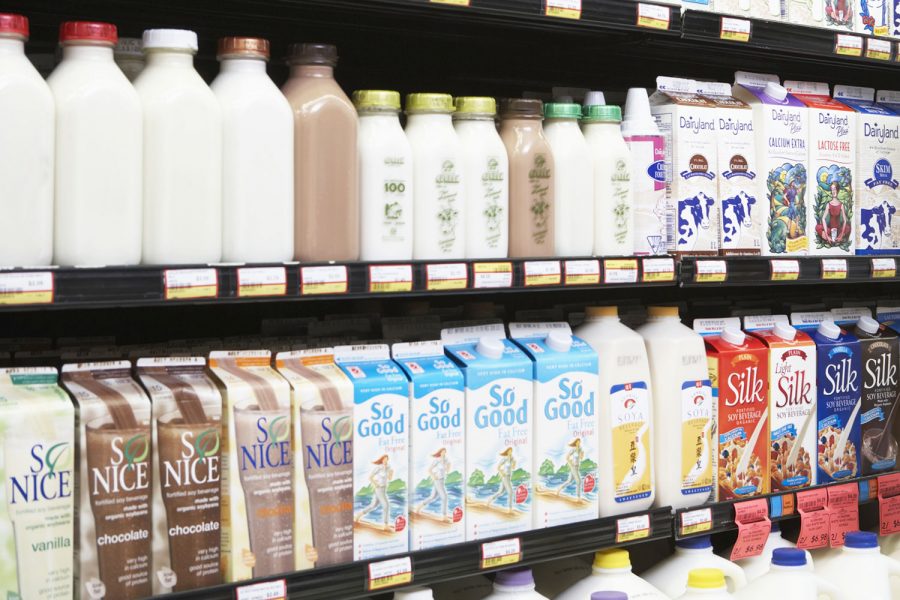
Various types of milk: Untreated milk: it retains its entire natural flavour. It is advised to boil for 15 minutes before using. It remains good in the refrigerator for 24 hrs. Pasteurized milk: To kill bacteria by heating milk or other liquids to moderately high...

read more
Nutritive Value of Milk

Nutritive Value of Milk

Here is a chart you can refer to get an overview of the nutritive value of different milk:- The table below contains detailed information on nutrients in milk. Nutrition Facts: Milk, whole, 3.25% fat - 100 grams Amount Calories 61 Water 88 % Protein 3.2 g Carbs 4.8 g...

read more
Introduction to Cream

Introduction to Cream

Cream is a dairy product composed of the higher-butterfat layer skimmed from the top of milk before homogenization. The cream has a slight yellow or ivory colour and is more viscous than milk. Uses of Cream 1. To serve with hot or cold coffee and chocolate. 2. To...

read more
Processing of Cream

Processing of Cream

Cream is a dairy product composed of the higher-butterfat layer skimmed from the top of milk before homogenization. In un-homogenized milk, the fat, which is less dense, will eventually rise to the top. In the industrial production of cream, this process is...

read more
Types of Cream

Types of Cream

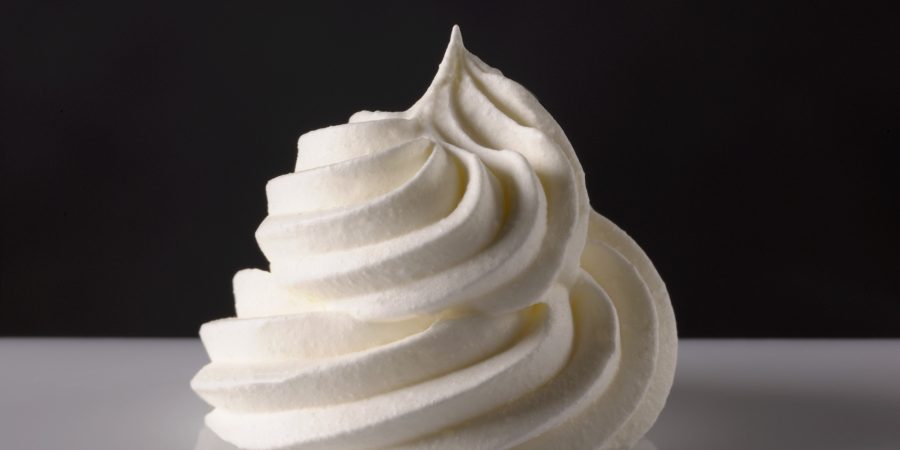
The principal difference between the various types of cream -single cream, double cream, whipping cream, clotted cream and soured cream - is the balance between water and butterfat. This will make them liquid or of a very thick consistency. Other differences are in...

read more
Introduction to Cheese

Introduction to Cheese

Cheese is a food derived from milk that is produced in a wide range of flavours, textures, and forms by coagulation of the milk protein casein. It comprises proteins and fat from milk, usually the milk of cows, buffalo, goats, or sheep. During production, the milk is...

read more
Processing of Cheese

Processing of Cheese

Here is a short (2:26 min) video showing how cheese is made commercially:- https://www.youtube.com/watch?v=vSRA9rI4TW0 Components in Cheesemaking Milk - The various cheese of the world first owe their character and taste to the type of milk used - double cream, toned,...

read more
Types of Cheese

Types of Cheese

Types of cheese are grouped or classified according to criteria such as length of ageing, texture, methods of making, fat content, animal milk, country or region of origin, etc. The method most commonly and traditionally used is based on moisture content, which is...

read more
Classification of Cheese

Classification of Cheese

Cheeses are normally classified according to firmness, which varies with the degree of moisture. The moisture content of firm cheeses may be as low as 30%, while that of soft or fresh cheeses may be as high as 80%. The most common designations include fresh (or...

read more
Curing/Ripening of Cheese

Curing/Ripening of Cheese

Cheese ripening, alternatively cheese maturation or affinage, is a process in cheesemaking. It is responsible for the distinct flavour of cheese, and through the modification of "ripening agents", determines the features that define many different varieties...

read more
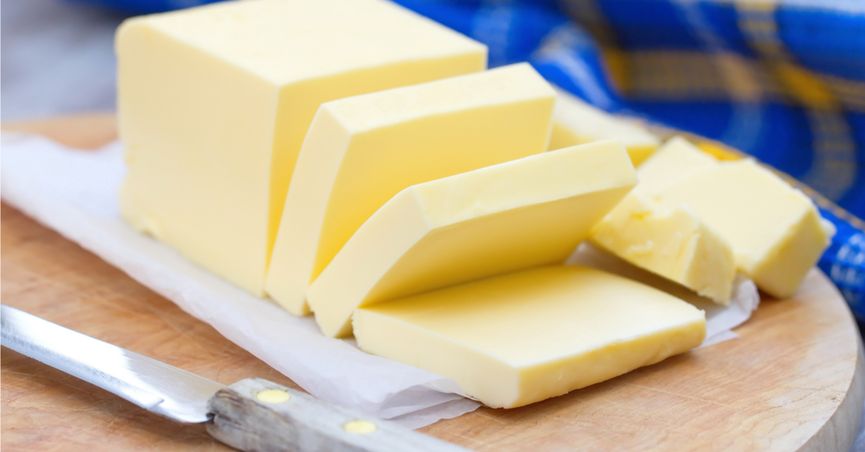
Introduction to Butter

Introduction to Butter

Butter is fatty substance obtained from churned cream, containing 80% fat, 20% water and whey (milk solids lift from separating process). Butter can be made from any kind of milk. In India, butter is made from buffalo milk. Butter hardens at low temperature and melts...

read more
Processing of Butter

Processing of Butter

Following are major steps in Manufacturing/Processing of Butter:- 1. HOLDING: Cream is pasteurized for 2-4 seconds at 95º C and then the temperature is lowered to 4-5º C and that is kept for several hours to ensure uniform hardening of fat particles. 2. RIPENING: When...

read more
Types of Butter

Types of Butter

There are two types of butter- Sweet cream butter Lactic butter. Sweet cream butter: it is also known as fresh cream butter and is made from unripened cream. It can be salted or unsalted. It is soft, creamy texture and a creamy buttery taste. Lactic butter: this type...

read more
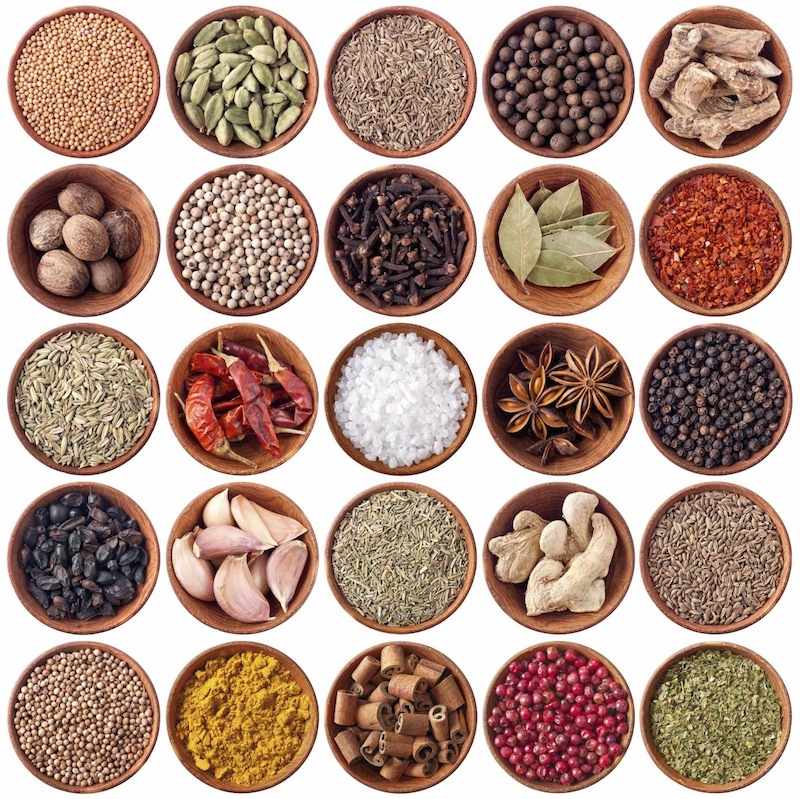
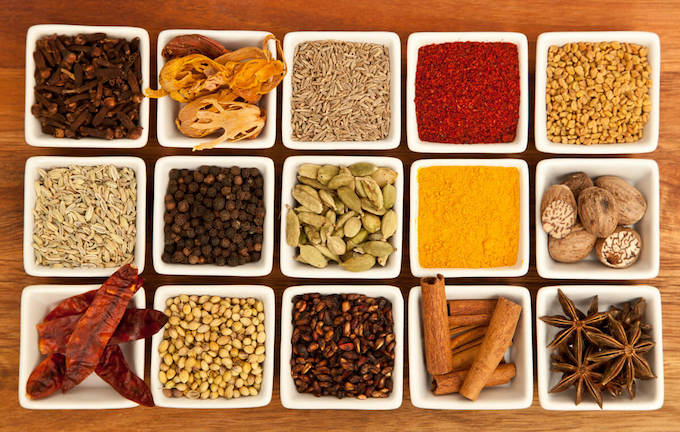
Indian condiments and Spices

Indian condiments and Spices

Indian Condiment & Spices Hindi & English Name With Their Uses In Kitchen 1. Ajowan                         (Ajwain) 2. Aniseed                         (Saunf) 3. Asafoetida                    (Hing) 4. Bay Leaf                       (Taj Patta) 5. Green...

read more
Different Masala used in Indian Cookery

Different Masala used in Indian Cookery

Indian Masalas The dry masalas (powdered spice mixes or curry powders) are used to flavor lentils, vegetables, seafood, and meat. The ingredients are roasted over low heat until they release a faint aroma. A fine powder is made and they are stored in an airtight...

read more
Dry and Wet Masalas

Dry and Wet Masalas

Dry and Wet Masalas   Dry Masala: Dry masalas are those which are in their dry form and no additional liquid component is added to them. These masalas may be whole or broiled and powdered. They might also include those ingredients which are specifically dried....

read more
General Layout of Kitchen Area

General Layout of Kitchen Area

KITCHEN ORGANIZATIONAL AND LAYOUT GENERAL KITCHEN LAYOUT Kitchen is a busy place and cross-traffic can really hamper the operation. There are certain factors that one needs to keep in mind while planning a kitchen. This is usually done by "facility planning...

read more
Layout of receiving areas

Layout of receiving areas

GENERAL FLOW PATTERN OF RECEIVING AREAS   RECEIVING AREA Receiving area is a place where the goods are received into the hotel. This place is not only used to receive raw food commodities but also to offload all the supplies of the hotel. This area also restricts the...

read more
Layout of Service & Wash up

Layout of Service & Wash up

The Service Area is situated between the kitchen and the restaurant and has the following functions. Cleans dirty equipment corning from the restaurant or floors. Supplies clean equipment to the restaurant and kitchen. Calling point for food orders. Delivery of food....

read more