Cookery is defined as a “chemical process”, the mixing of ingredients; the application and withdrawal of heat; decision making, technical knowledge, and manipulative skills. In the more advanced stages, a further element occurs- that of creativity. Cookery is...
1st Sem Food Production Notes
Syllabus with topics linked
Personal hygiene
Most of the food-borne disease is caused by bacteria, spread by food workers or handlers. Hence the first step in preventing food-borne disease is good personal –hygiene. Do’s for Personal Hygiene Bath or shower daily. Wear clean uniforms and aprons. Keep hair neat...
D. Uniforms & protective clothing
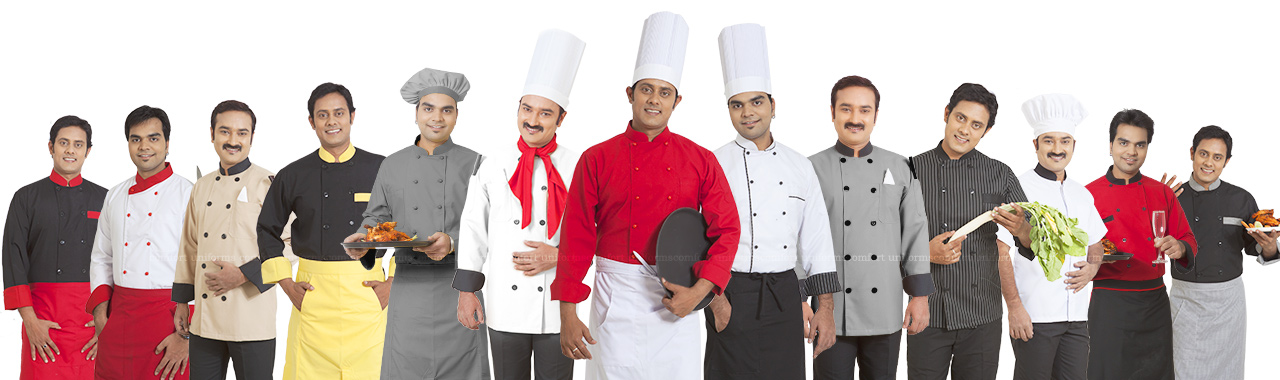
“More of protective clothing than uniform.” The chef’s uniform consists of the following:- Toque/Headwear • Keeps the head cool and prevents the hair from falling into the food.• Cotton/cloth caps are difficult to maintain whereas, paper caps are disposable hence they...
Safety procedure in handling equipment
• Kitchen work usually considered safe in comparison with industrial jobs.• Minor injuries from cuts and burns are very common.• Serious injuries too are possible. Safe Work Place It is much easier to develop and practice habits that prevent accidents if safety...
Origin of modern cookery
A HISTORY OF MODERN FOOD SERVICE The value of history is that it helps us understand the present and the future. In foodservice, knowledge of our professional heritage helps us see why we do things as we do, how our cooking techniques have been developed and refined,...
A. Classical Brigade
The Classical Brigade As you learned earlier in this chapter, one of Escoffier’s important achievements was the reorganization of the kitchen. This reorganization divided the kitchen into departments, or stations, based on the kinds of foods produced. A station chef...
Modern staffing in various category hotels
In the hospitality industry, staffing is a crucial aspect that can make or break a hotel's success. With the rise of technology and changing guest expectations, hotels need to adapt their staffing strategies to stay competitive. In this blog post, we will explore the...
C. Roles of executive chef
CHEF DE CUISINE (EXECUTIVE CHEF) The Chef de Cuisine in the large establishment is much more a departmental manager than a working craftsman. He is selected for his organizing and executive abilities than for his culinary skill. Though it is obvious that he should...
D. Duties and responsibilities of various chefs
Duties And Responsibilities Of Sous Chef Supervises kitchen shift operations and ensures compliance with all Food & Beverage policies, standards, and procedures. Assists Executive Chef with all kitchen operations. Performs all duties of kitchen managers and...
E. Co-operation with other departments
The primary function of the food and beverage department is to provide food and drink to a hotel’s guests. In earlier times, when an inn had a single dining room that could hold a limited number of guests, this was a fairly simple task. Today, however, providing food...
CULINARY TERMS
CULINARY TERMS 1. ABATS- Meat items such as offal’s, heads, hearts, liver, kidneys, etc. 2. AIGULETTES-Thin strips of the fish, breast of poultry, cut lengthwise. 3. AGING -To improve the tenderness of meat which is held at a cold temperature. 4. A La-...
Aims & Objects Of Cooking Food
• The aim of cooking is to see that the food cooked undergoes a physical change, sometimes a chemical change and is acceptable. The object of cooking is to achieve certain results such as:• To facilitate and hasten digestion, so that the cooked food is absorbed by the...
Various textures
Raw foods get exposed to some form of heat and then are called ‘cooked’ for consumption. The term TEXTURE is used to describe the characteristics of a finished (ready-to-eat) food product. The final product will have a certain texture depending on the order in which...
Various Consistencies
Like different textures found in solid foods (which are mentioned above), different ‘consistencies’ are found in liquid foods. Some substances flow readily, others resist flow and some require force or weight application to start a flow. The concept of...
Techniques used in pre-preparation
Raw materials used in food production are mostly natural products. They are available in various shapes and weights. For example, no two potatoes or onions will be the same in size, shape, and weight. No two red pumpkins will be of the same size, shape, and weight....
Techniques used in preparation
When raw materials are ready to be cooked, they are sent to the preparation area or hot section of the kitchen where it gets exposed to heat. Following are some of the techniques in preparation. The list may be enriched as and when you start actually cooking. Stirring...
VEGETABLE AND FRUIT COOKERY
Cooking is incomplete without fruits and vegetables. A variety of fruits are available in India. We have the king of fruits – the Mango, which is the pride of our nation. Apart from mangoes and their varieties a lot of different fruits are available here, such as...
Introduction – classification of vegetable
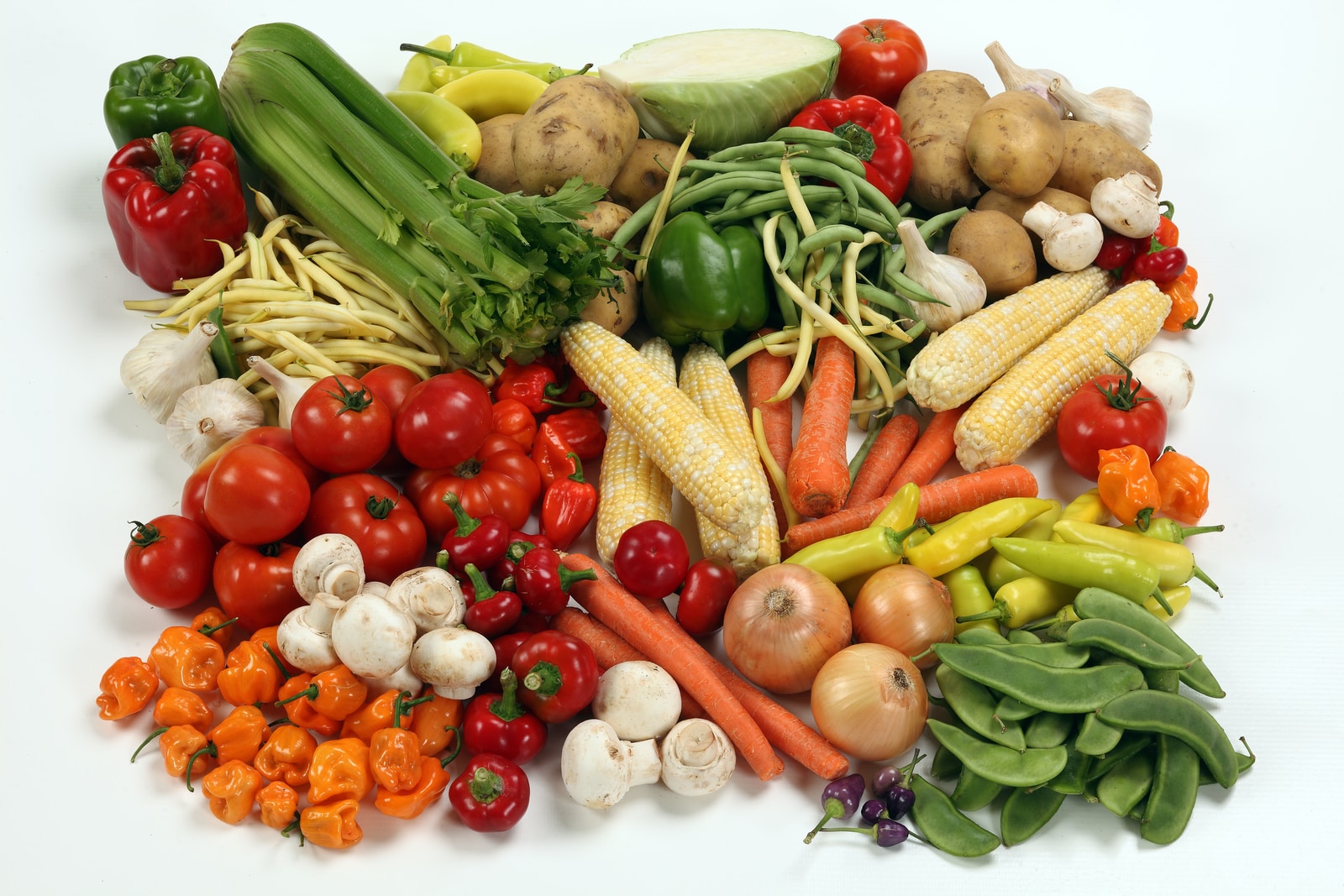
Vegetables refer to all plants or parts of plants which can be eaten raw, cooked or preserved in some form. Vegetable are of great importance in our diet and especially with regard to the present trend when the people are shifting towards the vegetarian side. These...
Pigments and colour changes
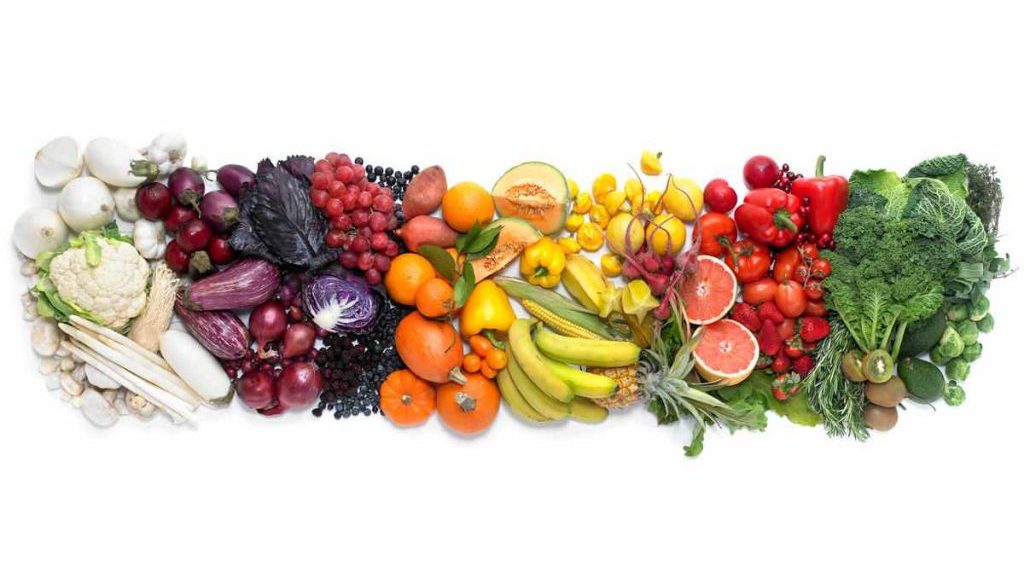
Learn about the pigments that give vegetables and fruits their vibrant colors and how to cook them to retain their color and nutrients. Discover tips for enhancing the visual appeal of your dishes with colorful fruits and vegetables/
Effects of heat on vegetables
Reasons for which vegetables are cooked To soften the productTo improve the flavor.To increase the digestibility.To preserve the vegetables. Effects of heat on vegetables Cooking is the application of heat to food to make it safer to eat, digestible and more...
Top 10 Types of Cuts of Vegetables (Description, Uses & Yield)
Discover the secrets of precise and aesthetically pleasing cuts of vegetables to elevate your culinary creations in this essential guide for every aspiring chef.
Classification of fruits
Fruits can be divided into the following groups: Tree and Stone Fruits: Include all apples, apricots, cherries, peaches, pears, plums, etc.Citrus Fruits : Include grapefruits, lemons, limes, mandarins, oranges, etc.Soft Fruits and Berries: Include...
Salads & salad Dressings
SALAD WHAT IS A SALAD? . Some of the definitions which best describe a SALAD are: A dish of raw leafy green vegetables often tossed with pieces of other raw or cooked vegetables, fruit, cheese, or other ingredients and served with a dressing. A cold dish of chopped...
Stocks: Preparation & Basic Ingredients
Stocks are thin liquids flavored by soluble extracts of meat, poultry, fish, and vegetables. It is a liquid in which meat or meat bones, fish or fish bones and various vegetables have been cooked to extract flavor. ‘Fonds de cuisine’ is a kitchen stock. Stocks are...
Preparation of stock
Many chefs use ratios to help them remember the basic proportion of the ingredients used in stock making. Bones: 50%Mirepoix: 10%Water: 100% However, given here is a more detailed ratio of the ingredients used. INGREDIENT PROPORTIONS: Ingredients White Brown Fish For...
Usage of Stocks
Without stocks, there would be no French cuisine. It is called fonds de cuisine, which translates literally as “Foundations of cooking”. They are a crucial element in soups, sauces, braises, and stews. Good stocks are made by simmering raw meat or fish, and...
SAUCES
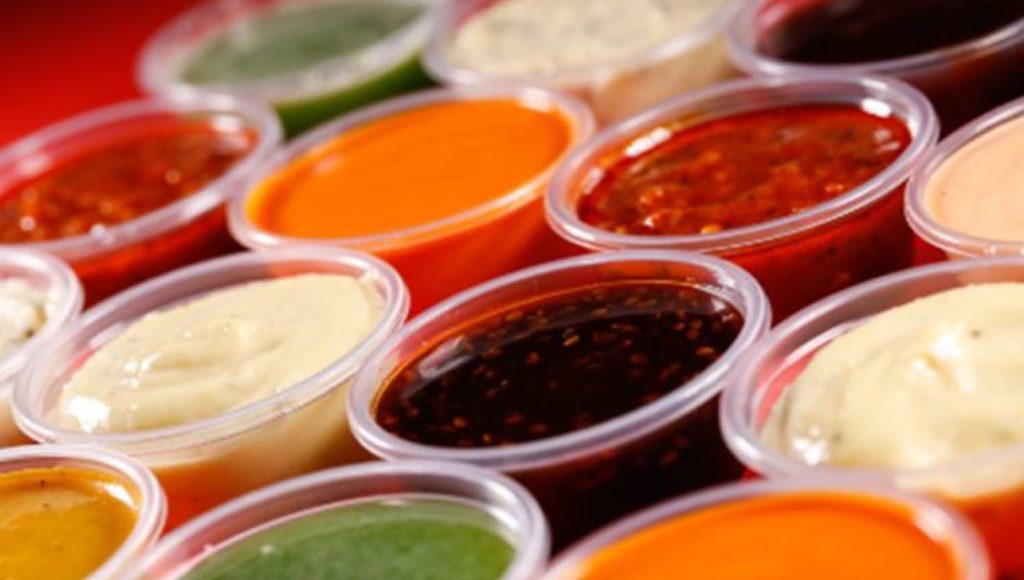
Sauces are the next most important part of the French & continental cuisine. These sauces can be derived from stocks by using different thickening agents. Sauces are capable of adding variety to the dishes by imparting color, flavor, texture and even drama to a...
Classification of sauces
Sauces may be classified in several ways. Here is one system. By serving temperature warm or cold By flavor: blandness or piquancy By acidity By sweetness By color By base: neutral or meat. In general, Sauce can be classified under two major heads as follows:...
Methods of Cooking Food
Cooking methods are divided into three categories: Dry-heat method, Moist-heat method, Combination cooking method. Dry-Heat Method: Dry-heat method consists: Grilling Roasting Spit roasting Baking Deep frying Shallow frying Barbecuing Microwave Moist-Heat Cooking...
Method of Cooking: Roasting
The term roasting is given to three different techniques of cooking. In all cases, the term refers to a dry method of cooking involving either the addition of fat/oil or the use of foods with high-fat content. The three techniques are Spit-roasting, Pot-Roasting, and...
Method of Cooking: Grilling
Grilling is a fast, dry method of cooking that uses the intense heat radiated by an electrical element, gas flame, or glowing charcoal. The heat sources can be either above or below the food or both. Barbecue When the process takes place. Out of doors, it is usually...
Method of Cooking: Frying
Frying is a quick method of cooking food in hot oil or fat but requires care and attention to produce satisfactory results. Frying gives food a good flavor and color. Methods of Frying Four different methods of frying are shallow-frying, deep-frying, sauteing,...
Method of Cooking: Baking
Baking is a dry method of cooking in an oven. The texture, surface, volume of baked goods are modified by steam. This is produced by the food as it cooks or can be injected into the oven if required. Heat transfer The heat source in the oven radiates infrared heat...
Method of Cooking: Broiling
In the world of culinary arts, mastering various cooking methods is key to creating exquisite dishes. Broiling is one such technique that can elevate simple ingredients to gourmet levels with its high-heat charisma. In this blog, we'll demystify the method of...
Method of Cooking: Poaching
Poaching is a moist method of cooking in which food is placed in liquid which is brought to and maintained at, a temperature just under boiling-point (650 to 900°C). The cooking liquid may be water, milk, stock, wine, or court bouillon Heat Transfer Conduction: In...
Methods of Cooking Food: Boiling
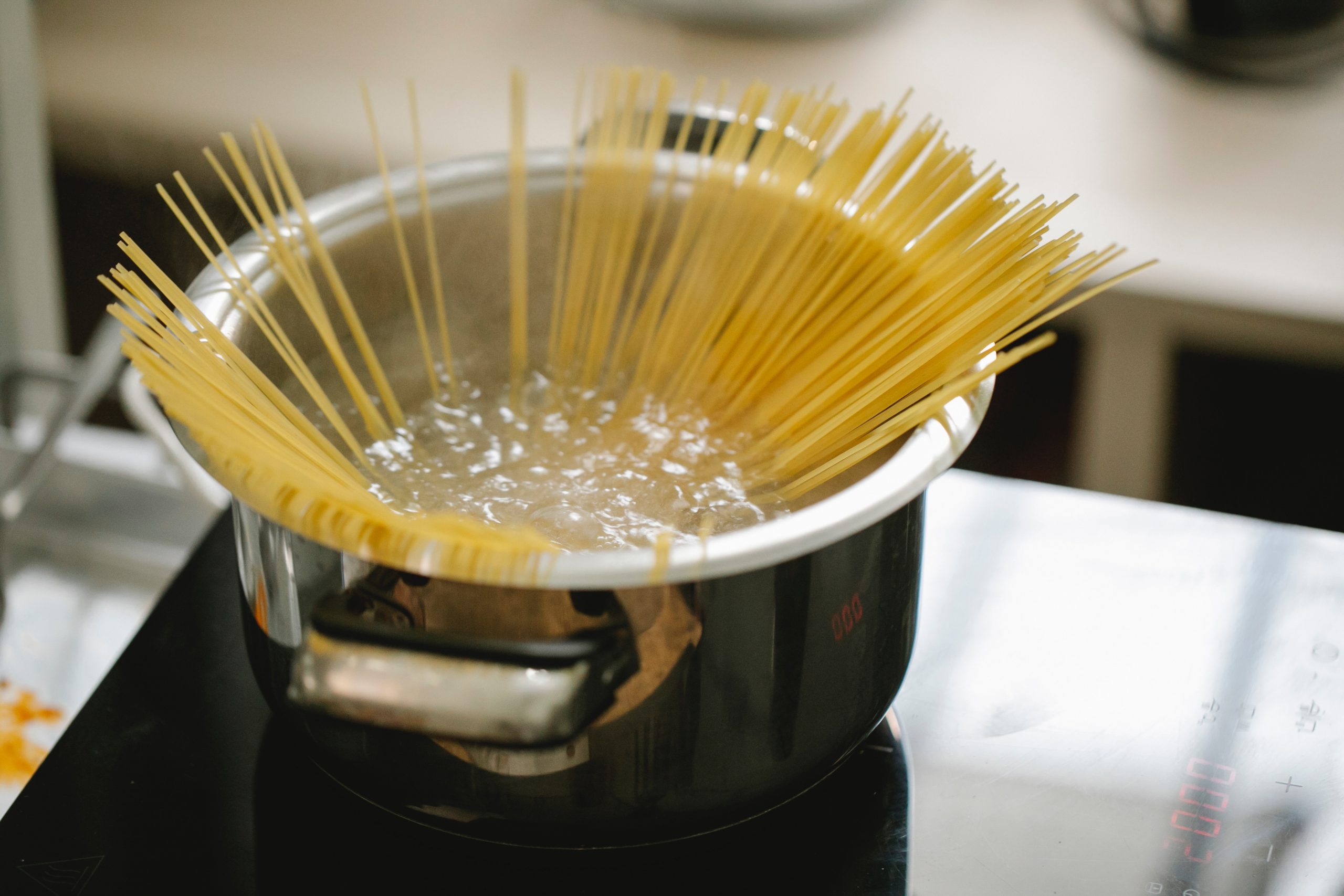
Definition Scientifically speaking, boiling is an explosive phase change between a liquid state and a gas state. In the kitchen, boiling is cooking food at a relatively high temperature, 212 degrees, in water or some other water-based liquid. When liquids boil,...
Soups
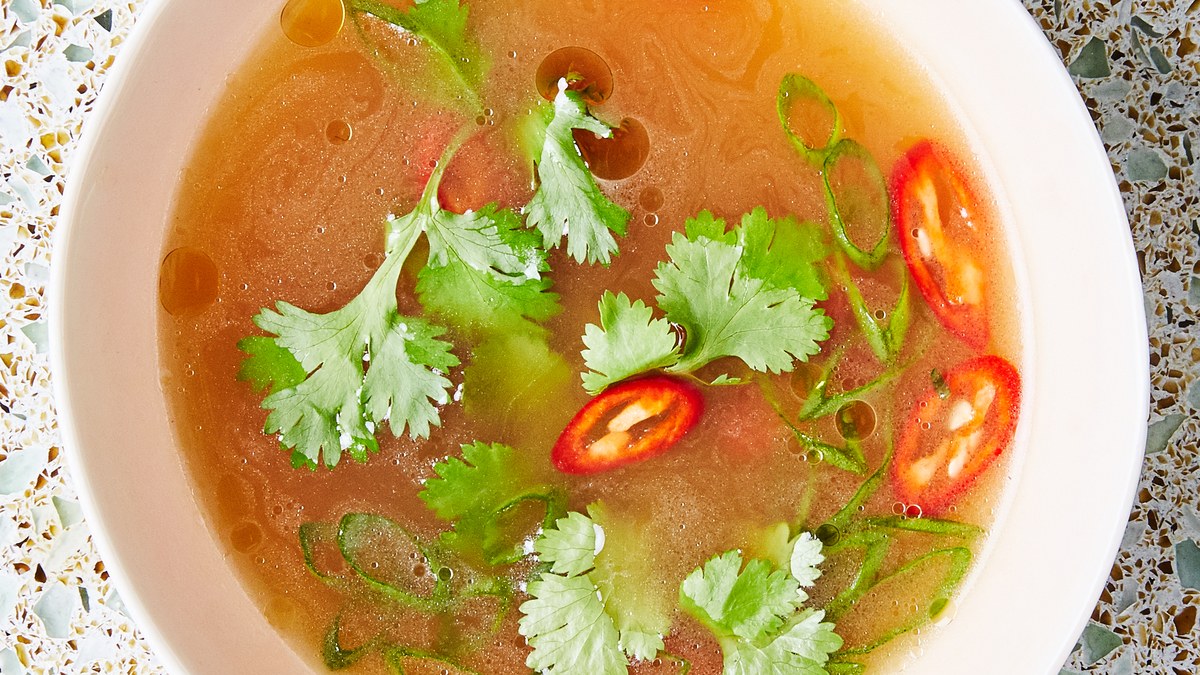
Soups are generally warm food made by combining ingredients such as meat and vegetables with stock, juice, water, or another liquid. Hot soups are characterized by boiling solid ingredients in liquids in a pot until the flavors are extracted, forming a broth....
Classification of Soup with Examples
Majorly soups are categories into four types as : Thin Thick Cold International Sl. Classification Base Passed/Unpassed Finish Example 1 Clear Stock Passed Usuallygarnish Varieties of consommé 2 Broth Stock and cuts of vegetables unpassed Chopped parsley Minestrone...
Basic Recipes of Consommé with 10 Garnishes
What is consommé? The consommé comes from the word ‘consummate’ which means to bring to complete or perfect. It is a clear soup which is prepared from beef, chicken stock, and garnish with verities of ingredients. This can be served hot or chilled, consommé take it...
Egg Cookery
Introduction to Egg Cookery An egg is a nutritious alternative source of protein to ovavagens. It is packed with a lot of protein and other energy-giving nutrients. Initially, eggs were treated as non-vegetarian in nature, but today science has proved that...
Structure of an egg
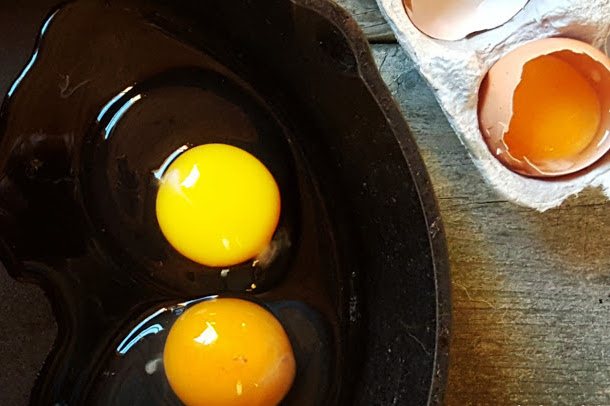
The egg is primarily made up of shell, membranes, air cell, albumen, chalazae, vitelline membrane, and yolk. Shell Bumpy and grainy in texture, an eggshell is covered with as many as 17,000 tiny pores. Eggshell is made almost entirely of calcium carbonate (CaCO3)...
Selection of an Egg
Selection criteria of an egg are as follows: A fresh egg is heavy. As the egg gets older it loses water through the shell making air pocket larger so the older the egg, the lighter it will be. One way of judging the quality is by observing the condition of the shell....
Uses Of Egg In Cookery
Various uses of egg in culinary BindingCoatingLeaveningEmulsifyingThickeningDecoration and GarnishingClarifying Binding Addition of eggs to minced mead and mashed vegetables etc. helps to bind the mixture. As the heat coagulates, the proteins are bound into a cohesive...
Commodities: Shortenings (Fats & Oils)
Fats are solid at room temperature and melt when heated. Those used in cooking include butter, margarine, lard, suet, and hydrogenated fat. Oils are liquid at normal temperatures but solidify at lower temperatures. Those commonly used in cooking are peanut...
Raising Agent Or Leavening Agent
Leavening or raising means to increase the surface area of any dough or batter by creating gas bubbles inside the dough or batter. This also makes a product light in weight. The expansion of gas bubbles during baking increases the volume of the product and gives a...
Thickening Agents
Thickening agents give body, consistency, and palatability when used. They also improve the nutritive value of the sauce. Flavored liquids are thickened and converted into soups, sauces, gravies, and curries, etc. In other words, binding agents are used to...
Importance of Sugar
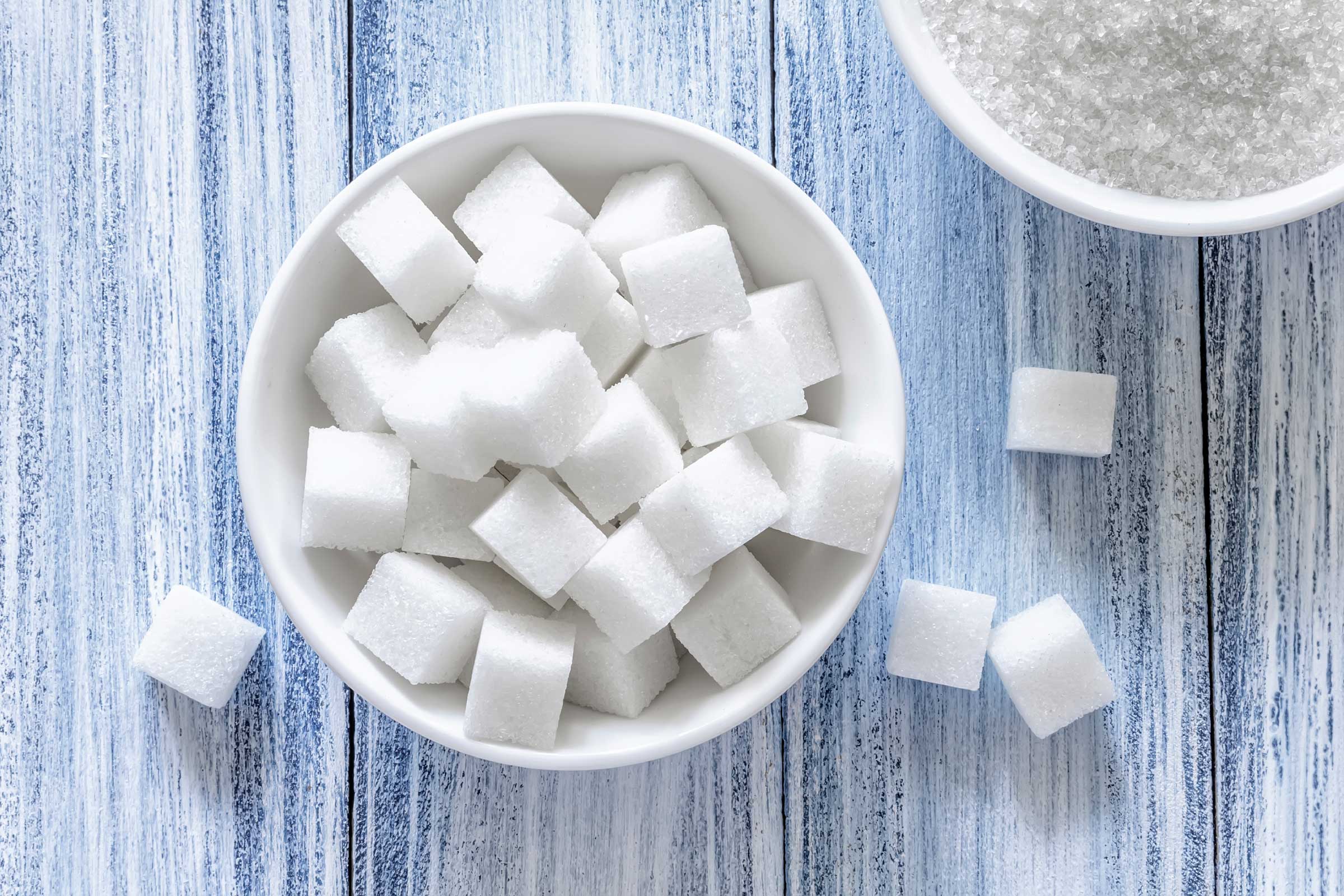
Sugar is not only added to food for taste, but also for functional reasons. Sugar alternatives or low sugar foods may not be healthier. Removing sugar can be technically challenging. Important roles of sugar Aside from making some foods more palatable and providing...
Types of Sugar
Major Types of Sugar The sugar products produced worldwide are divided into following four categories: Granulated SugarBrown SugarLiquid SugarInvert Sugar Granulated Sugar Granulated sugar is also known as white sugar, or “regular” sugar. It is further...
Cooking of Sugar – various stages
There are 7 stages of cooking sugar. Thread: Cooked to 230° to 234°. The syrup spins a soft, loose, short thread. Soft Ball: Cooked to 234° to 240°. The syrup forms a soft, pliable, sticky ball. Firm Ball: Cooked to 244° to 248°. The syrup forms a firm, but still...