Topic wise notes as per new NCHM-JNU syllabus (for B.Sc HHA & M.Sc HA) are are now available at our new website hospitality.institute
Select Page

5th Sem Food Production Notes

Syllabus BHM311 (T)

01 LARDER

I. LAYOUT & EQUIPMENT

  1. Introduction of Larder Work
  2. Equipment found in the larder
  3. Layout of a typical larder with equipment and various sections

II. TERMS & LARDER CONTROL

  1. Common terms used in the Larder and Larder control
  2. Essentials of Larder Control
  3. Importance of Larder Control
  4. Devising Larder Control Systems
  5. Leasing with other Departments
  6. Yield Testing

III. DUTIES AND RESPONSIBILITIES OF THE LARDER CHEF

  1. Functions of the Larder
  2. Hierarchy of Larder Staff
  3. Sections of the Larder
  4. Duties & Responsibilities of larder Chef

02 CHARCUTIERIE

I. SAUSAGE

  1. Introduction to charcutierie
  2. Sausage – Types & Varieties
  3. Casings – Types & Varieties
  4. Fillings – Types & Varieties
  5. Additives & Preservatives

II. FORCEMEATS

  1. Types of forcemeats
  2. Preparation of forcemeats
  3. Uses of forcemeats

III. BRINES, CURES & MARINADES

  1. Types of Brines
  2. Preparation of Brines
  3. Methods of Curing
  4. Types of Marinades
  5. Uses of Marinades
  6. Difference between Brines, Cures & Marinades

IV. HAM, BACON & GAMMON

  1. Cuts of Ham, Bacon & Gammon.
  2. Differences between Ham, Bacon & Gammon
  3. Processing of Ham & Bacon
  4. Green Bacon
  5. Uses of different cuts

V. GALANTINES

  1. Making of galantines
  2. Types of Galantine
  3. Ballotines

VI. PATES

  1. Types of Pate
  2. Pate de foie gras
  3. Making of Pate
  4. Commerical pate and Pate Maison
  5. Truffle – sources, Cultivation and uses and Types of truffle.

VII. MOUSE & MOUSSELINE

  1. Types of mousse
  2. Preparation of mousse
  3. Preparation of mousseline
  4. Difference between mousse and mousseline

VIII. CHAUD FROID

  1. Meaning of Chaud froid
  2. Making of chaud frod & Precautions
  3. Types of chaud froid
  4. Uses of chaud froid

IX. ASPIC & GELEE

  1. Definition of Aspic and Gelee
  2. Difference between the two
  3. Making of Aspic and Gelee
  4. Uses of Aspic and Gelee

X. QUENELLES, PARFAITS, ROULADES

  1. Preparation of Quenelles, Parfaits and Roulades

XI. NON EDIBLE DISPLAYS

  1. Ice carvings
  2. Tallow sculpture
  3. Fruit & vegetable Displays
  4. Salt dough
  5. Pastillage
  6. Jelly Logo
  7. Thermacol work

03 APPETIZERS & GARNISHES

  1. Classification of Appetizers
  2. Examples of Appetizers
  3. Historic importance of culinary Garnishes
  4. Explanation of different Garnishes

04 SANDWICHES

  1. Parts of Sandwiches
  2. Types of Bread
  3. Types of filling – classification
  4. Spreads and Garnishes
  5. Types of Sandwiches
  6. Making of Sandwiches
  7. Storing of Sandwiches

05 USE OF WINE AND HERBS IN COOKING

  1. Ideal uses of wine in cooking
  2. Classification of herbs
  3. Ideal uses of herbs in cooking

Syllabus with topics linked

Syllabus BHM311 (T)

01 LARDER

I. LAYOUT & EQUIPMENT

  1. Introduction of Larder Work
  2. Equipment found in the larder
  3. Layout of a typical larder with equipment and various sections

II. TERMS & LARDER CONTROL

  1. Common terms used in the Larder and Larder control
  2. Essentials of Larder Control
  3. Importance of Larder Control
  4. Devising Larder Control Systems
  5. Leasing with other Departments
  6. Yield Testing

III. DUTIES AND RESPONSIBILITIES OF THE LARDER CHEF

  1. Functions of the Larder
  2. Hierarchy of Larder Staff
  3. Sections of the Larder
  4. Duties & Responsibilities of larder Chef

02 CHARCUTIERIE

I. SAUSAGE

  1. Introduction to charcutierie
  2. Sausage – Types & Varieties
  3. Casings – Types & Varieties
  4. Fillings – Types & Varieties
  5. Additives & Preservatives

II. FORCEMEATS

  1. Types of forcemeats
  2. Preparation of forcemeats
  3. Uses of forcemeats

III. BRINES, CURES & MARINADES

  1. Types of Brines
  2. Preparation of Brines
  3. Methods of Curing
  4. Types of Marinades
  5. Uses of Marinades
  6. Difference between Brines, Cures & Marinades

IV. HAM, BACON & GAMMON

  1. Cuts of Ham, Bacon & Gammon.
  2. Differences between Ham, Bacon & Gammon
  3. Processing of Ham & Bacon
  4. Green Bacon
  5. Uses of different cuts

V. GALANTINES

  1. Making of galantines
  2. Types of Galantine
  3. Ballotines

VI. PATES

  1. Types of Pate
  2. Pate de foie gras
  3. Making of Pate
  4. Commerical pate and Pate Maison
  5. Truffle – sources, Cultivation and uses and Types of truffle.

VII. MOUSE & MOUSSELINE

  1. Types of mousse
  2. Preparation of mousse
  3. Preparation of mousseline
  4. Difference between mousse and mousseline

VIII. CHAUD FROID

  1. Meaning of Chaud froid
  2. Making of chaud frod & Precautions
  3. Types of chaud froid
  4. Uses of chaud froid

IX. ASPIC & GELEE

  1. Definition of Aspic and Gelee
  2. Difference between the two
  3. Making of Aspic and Gelee
  4. Uses of Aspic and Gelee

X. QUENELLES, PARFAITS, ROULADES

  1. Preparation of Quenelles, Parfaits and Roulades

XI. NON EDIBLE DISPLAYS

  1. Ice carvings
  2. Tallow sculpture
  3. Fruit & vegetable Displays
  4. Salt dough
  5. Pastillage
  6. Jelly Logo
  7. Thermacol work

03 APPETIZERS & GARNISHES

  1. Classification of Appetizers
  2. Examples of Appetizers
  3. Historic importance of culinary Garnishes
  4. Explanation of different Garnishes

04 SANDWICHES

  1. Parts of Sandwiches
  2. Types of Bread
  3. Types of filling – classification
  4. Spreads and Garnishes
  5. Types of Sandwiches
  6. Making of Sandwiches
  7. Storing of Sandwiches

05 USE OF WINE AND HERBS IN COOKING

  1. Ideal uses of wine in cooking
  2. Classification of herbs
  3. Ideal uses of herbs in cooking
Larder Introduction: Larder, Garde Manger, Cold kitchen

Larder Introduction: Larder, Garde Manger, Cold kitchen

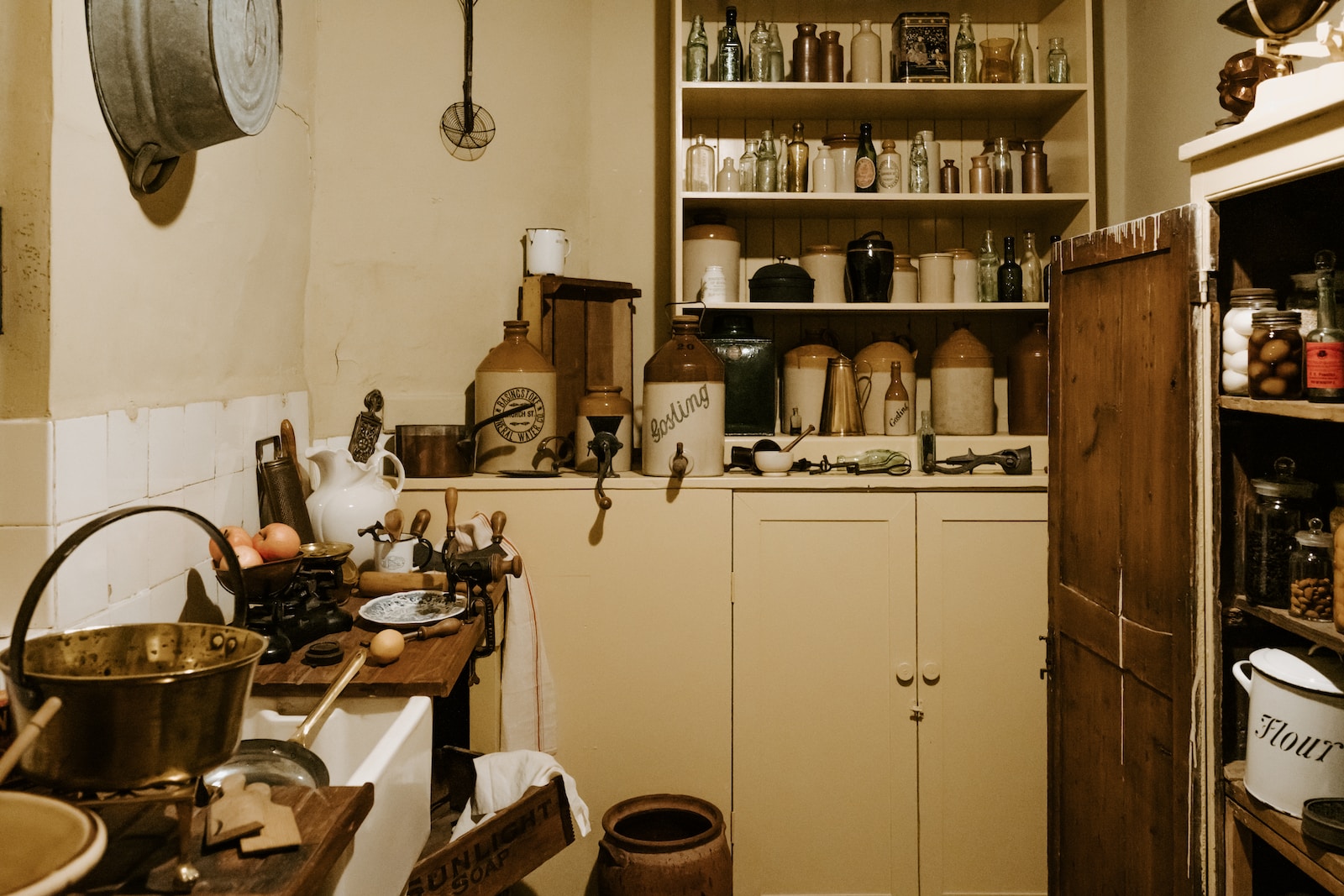
The term Garde Manger originally identified a storage area. Preserved foods such as Hams, sausages, bacon, cheese, etc. were held in this area, cold foods for Banquets and Buffets are arranged here. Over the years this term evolved to mean more than just a storage...
read more
LAYOUT OF THE LARDER SECTION

LAYOUT OF THE LARDER SECTION

Larder of a 5 star operational kitchen will be segregated into the following section- 1. Hors d’oeuvres and salad section having two sinks, work tables, storage racks and cupboards, refrigerator, gas range, and pickup counter. 2. Poultry and Butchery section with a...

read more
Equipment found in the larder

Equipment found in the larder

LARDER EQUIPMENT   1. MINCING MACHINE AND FOOD PROCESSORS · These two machines have an important function in the larder. The mincer is used for the mincing of raw meats for sausages, hamburgers, meat loaves, mincing of fats prior to rendering for dripping. · A...

read more
LARDER CONTROL

LARDER CONTROL

LARDER CONTROL   If the larder is to be run efficiently and economically ,it is essential that the chef Garde Manger should exercises strictest possible control over the food stuffs received and stored in the department .This will involve: 1. Checking the...

read more
COMMON TERMS USED IN THE LARDER & LARDER CONTROL

COMMON TERMS USED IN THE LARDER & LARDER CONTROL

COMMON TERMS USED IN THE LARDER & LARDER CONTROL   Aging: Holding meats in coolers under controlled conditions to allow natural tenderizing to take place. AP required: As-purchased amount necessary to yield the desired EP weight. AP required is computed as EP...

read more
LIAISON WITH OTHER DEPARTMENTS

LIAISON WITH OTHER DEPARTMENTS

LIAISON WITH OTHER DEPARTMENTS   The Larder is both a storage department for most perishable foods and a preparation department for such foodstuffs. The Larder staff, under the supervision of the Chef Garde-Manger, are responsible for the ordering, storing and...

read more
YIELD TESTING

YIELD TESTING

YIELD TESTING   Most foodservice products are delivered in the AP or As Purchased state. This refers to the weight or count of a product, as delivered to the foodservice operator. EP or Edible Portion refers to the weight of a product after it has been cleaned,...

read more
Functions of The Larder

Functions of The Larder

Functions of the Larder In the modern day catering business this department has become one of the most important departments, since it is dealing with the most expensive and mostly used food items in the business which directly affect the food cost. Chef gar de...

read more

RESPONSIBILITIES OF THE LARDER SECTION

RESPONSIBILITIES OF THE LARDER SECTION

RESPONSIBILITIES OF THE GARDE MANGER DEPARTMENT   1)    Butchery (including the fish mongery & ecaillage) 2)    Marinated Products Salads Pickled Products – Vegetables, Fruit, Fish and Meats Brines / Cures – Smoked Products. 3)    Cold Soups and Sauces...

read more
DUTIES & RESPONSIBILITIES OF LARDER CHEF

DUTIES & RESPONSIBILITIES OF LARDER CHEF

DUTIES & RESPONSIBILITIES OF LARDER CHEF The responsibilities of the Chef Garde-Manger, therefore, are many and varied. This person is responsible: - For the efficient running of the Larder department and For the co-ordination of the work of its staff; For the...
read more
SAUSAGE

SAUSAGE

A. INTRODUCTION TO CHARCUTIERIE : INTRODUCTION : In French , the word characteristic is derived from chair cuite, meaning cooked meat. It usually centers around pork products , including some of the prides of French cuisines . Pate’s and terrines ranging from simple...

read more
FORCEMEATS

FORCEMEATS

FORCEMEATS The term Forcemeat or farce, is used to describe the basic mixture that needs to be prepared in order to produce charcuterie products. The word farce comes from the Latin farcire. A farce or forcemeat is a ground seasoned mixture of meat, game, poultry,...

read more
BRINES, CURES & MARINADES (TYPES, METHODS & USES)

BRINES, CURES & MARINADES (TYPES, METHODS & USES)

                                        BRINES A wet cure is also called a brine, although brine literally means a salt solution. Brining is also a method of curing and preservation and can be achieved by any of the following methods: Steeping Injection Spraying...

read more
HAM, BACON, GAMMON & GREEN BACON

HAM, BACON, GAMMON & GREEN BACON

                                                       HAM Ham is pork from a leg cut that has been preserved by wet or dry curing, with or without smoking. As a processed meat, the term "ham" includes both whole cuts of meat and ones that have been mechanically...

read more
CUTS OF HAM, BACON & GAMMON

CUTS OF HAM, BACON & GAMMON

                                     CUTS OF BACON    Streaky & Flank Bacon These are used diced for soups or to add flavour to stews. For Boiling & Stewing All cuts are suitable. but the lean pieces (forehock, gammon, collar) are sometimes casseroled or...

read more
DIFFERENCE BETWEEN HAM, BACON & GAMMON

DIFFERENCE BETWEEN HAM, BACON & GAMMON

CHARACTERISTIC BACON  HAM GAMMON WAYS  OF EATING Can be eaten smoked, boiled, fried, grilled or baked. Cured or cooked fresh. Wet cured TYPES Types of bacon depend on the thickness and where the cut of meat is taken from in the pig. All ham is taken either from thigh...

read more
Green Bacon

Green Bacon

Green bacon Green bacon is a fresh, non-smoked style of cured bacon. As this recipe contains no nitrates, the bacon will stay fresh for only a week after curing. Green bacon is versatile and can be used in place of regular bacon in pies, sandwiches, and tarts...

read more
GALANTINE ( TYPES & MAKING)

GALANTINE ( TYPES & MAKING)

                                                         GALANTINE A galantine is a French dish of de-boned stuffed meat, most commonly poultry or fish, that is poached and served cold, coated with aspic. Galantines are often stuffed with forcemeat, and pressed into a...

read more
Ballotines

Ballotines

                                                BALLOTINE                                                             The terms Galantine and Ballotine are often confused. Both are similarly prepared, but they are cooked and served differently. The ballotine is...

read more
PATE , MAKING OF PATE

PATE , MAKING OF PATE

A PATE is distinguished from a terrine by the way in which it is cooked , a pate is baked in pastry and a terrine (Fr. terre meaning earth) is cooked in a special Earthen ware terrine mould. Fine textured , rich mixtures , that used to be baked in pastry are still...

read more
MOUSSE & MOUSSELINE

MOUSSE & MOUSSELINE

MOUSSE   The cold mousse is a delicacy that is sure to delight the eye and please the palate as well. A mousse can be defined as a mixture of cooked ingredients, pureed and held together with gelatin, veloute sauce, mayonnaise or aspic jelly, then enriched with...

read more
Preparation of mousse

Preparation of mousse

Preparation of mousse    Mousses have 3 basic components – 1. BASE – can be a meat, fish, cheese or vegetables. The base provide flavor, color, body and character to the product. 2. BINDER – provides structure to the finished product. This can be done by the...

read more
Preparation of mousseline

Preparation of mousseline

            Mousseline Mousseline style is the fourth type of farce. The most distinctive characteristic of this method is the type of fat that is used in its preparation. The use of cream as the source of fat, combined with the processing of the components to an...

read more
Difference Between Mousse and Mousseline

Difference Between Mousse and Mousseline

While both mousse and mousseline are about creating lightness, the methods and outcomes are distinct. Mousse is typically a stand-alone dish, whereas mousseline is often used as a component within a dish. Mousseline is also generally finer and more delicate than mousse.

read more
Exploring the Versatile Uses of Chaud Froid in Culinary Arts

Exploring the Versatile Uses of Chaud Froid in Culinary Arts

Chaud Froid, a classic French culinary technique, serves not just as a flavor enhancer but also as a medium for artistic expression in food presentation. Its versatile applications range from improving aesthetics to extending the shelf life of dishes, making it a favorite in gourmet cooking.

read more
ASPIC & GELEE (Definition)

ASPIC & GELEE (Definition)

                                        Aspic and Gelee play an important part in the preparation of many cold dishes that are created in the Grade Manger. The glistening coating or the sparkling bases help to highlight the dishes that are being presented. Proper...

read more
QUENELLES, PARFAITS, ROULADES

QUENELLES, PARFAITS, ROULADES

                                                 QUENELLES Quenelles are products that are made out of forcemeat as well. The forcemeat in this case is fish and is made out of a raw meat mixture. The forcemeat is similar to that used to make a mousseline. The fish is...

read more
Preparation of Quenelles, Parfaits and Roulades

Preparation of Quenelles, Parfaits and Roulades

                                        Preparation of Quenelles   A variety of different fish can be utilized to prepare quenelle. Shellfish is not very popular to make quenelles, but fleshy fish like cod is ideal. Quenelles can be served hot with a suitable...

read more
NON EDIBLE DISPLAYS

NON EDIBLE DISPLAYS

In French they are known as “Piece Montée”. Originally a large ornamental item of patisserie used to decorate the table at a banquet or a party. It usually reflects the theme of the occasion. In France, it is still popular for a wedding or baptism and displays the...

read more
Ice carvings

Ice carvings

                                               ICE CARVING The Ice sculpture is the highlight of any buffet, and its focal point. Ice can be carved into any shapes, size or figure that fits the theme or occasion. For e.g. Christmas- Santa Clause, Anniversary- a heart....

read more
Tallow sculpture

Tallow sculpture

TALLOW WORK: Patterns and sculptures made with animal fat creating an eye- catching tallow piece is always time consuming, and should be planned well in advance. Such displays can be used over and over again but they should be covered with translucent wrap when not in...

read more
Fruit & vegetable Displays

Fruit & vegetable Displays

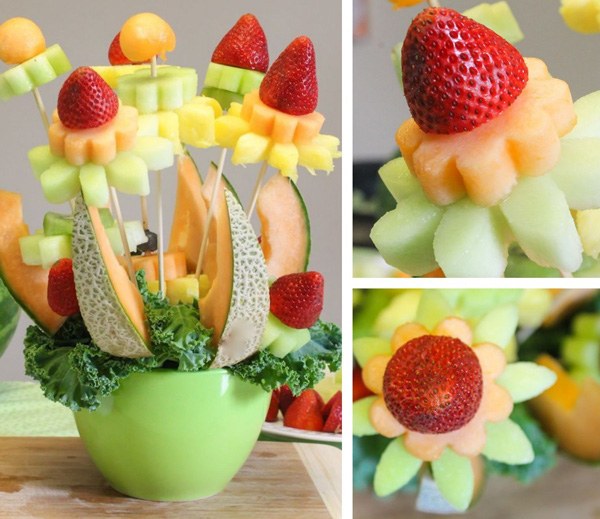
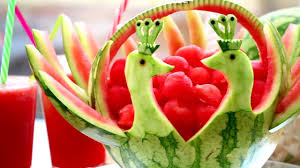
                             Fruit & vegetable Displays Very attractive centre pieces can be made by carvings various shapes out of fruits and vegetables. Large pumpkins, melon and such vegetable vegetables can be used as containers or carved into objects such as...

read more
Salt dough

Salt dough

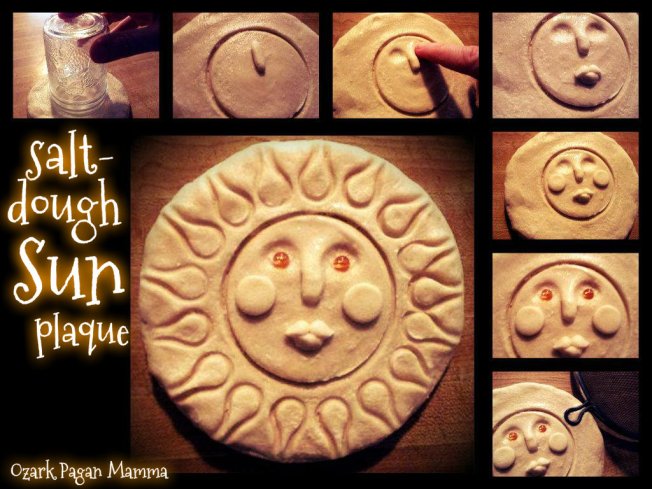
                                                   SALTILLAGE Basic Salt Dough for Sculptures 1 cup cold water 1 cup corn starch 2 cups warm popcorn salt. Combine the water and cornstarch. Mix well over medium heat, stirring constantly, to a very thick paste. Knead 2...

read more
Pastillage

Pastillage

                                 SUGAR CRAFT (Pastillage)   This could include: Pulled sugar Poured  Sugar Blown Sugar Spun Sugar Cooked sugar can be used in various forms to provide stunning works of art. They could adorn a dessert...

read more
Jelly Logo

Jelly Logo

BUTTER AND MARGERINE CARVINGS Very often in place of tallow, butter and margarine is used to produce center pieces. Margarine is the preferred medium as it has a higher melting point and is easier to handle than butter. An outline of the sculpture is made out of...

read more
Appetizers & its Classification

Appetizers & its Classification

Introduction to Appetizers Appetizers are finger foods usually served before a meal, or in between mealtimes, and are also called hors d’oeuvres, antipasti, or starters, and may range from the very simple to the very complex, depending on the occasion and the time...

read more
The Art of Crafting Perfect Sandwiches: A Comprehensive Guide

The Art of Crafting Perfect Sandwiches: A Comprehensive Guide

Join us on this culinary journey as we uncover the secrets of crafting the perfect sandwich. From understanding the importance of each component to exploring the vast world of fillings, this blog post offers a comprehensive guide for hospitality students eager to hone their sandwich-making skills.

read more
Parts of Sandwiches

Parts of Sandwiches

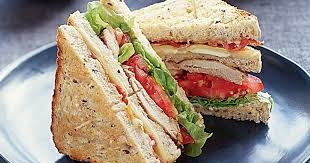
A sandwich is a food typically consisting of vegetables, sliced cheese or meat, placed on or between slices of bread, or more generally any dish wherein bread serves as a container or wrapper for another food type. The sandwich is the stalwart staple of the American...

read more
Types/Classification of Sandwiches

Types/Classification of Sandwiches

General Classification of Sandwiches Broadly sandwiches are classified in two major types Hot & Cold, both of which are further divided into Closed & Open, so in total we have following four major categories. Almost all the types sandwiches can come under any...

read more
MAKING OF SANDWICH

MAKING OF SANDWICH

General Hints of Sandwich making : 1. Soften the butter before spreading it. 2. Smooth fillings such as cream cheese spread easiest at room temperature. If certain fillings need to be made in advance and refrigerated, leave them for some time at room temperature...

read more
STORING OF SANDWICHES

STORING OF SANDWICHES

                                 Storing Sandwiches   Most sandwiches are perishable goods. Sandwiches which are made up with moist fillings are highly perishable but if they are well covered they may be refrigerated for a few hours without substantial...

read more
USE OF WINE AND HERBS IN COOKING

USE OF WINE AND HERBS IN COOKING

                           Ideal uses of wine in cooking   THE USES OF WINE IN COOKING: Marinades Both red and white wine are used as marinades for meat. One of the primary uses is for the flavour, but wines also helps to tenderizer the meat and remove offensive...

read more
Ideal uses of wine in cooking

Ideal uses of wine in cooking

Wine is used in Soup making The taste & flavour of the soup is considerably enhanced by the addition of a little wine. A dessert spoon-full of wine is enough for 6 to 8 portions. White wines go very well with bisque and other fish based soup. Use of wine in salad...

read more
Classification of Herbs

Classification of Herbs

                      CLASSIFICATION OF HERBS:   Herbs are classified in many ways. Some of them are: According to the usage According to the active constituents According to the period of life According to the usage, the herbs are classified in four parts:...

read more
Ideal uses of herbs in cooking

Ideal uses of herbs in cooking

                    THE USE OF HERBS IN COOKING:                   Herbs have many uses in the kitchen. Herbs are the most frequently used ingredient for flavouring food. Apart from flavouring and adding aroma and nutritional value to food, herbs are put to...

read more