A soft drink is a drink that typically contains carbonated water (although some lemonades are not carbonated), a sweetener, and a natural or artificial flavoring. The sweetener may be sugar, high-fructose corn syrup, fruit juice, sugar substitutes (in the case of diet...
Contributions by Prince Kumar on hmhub
Types of Flour
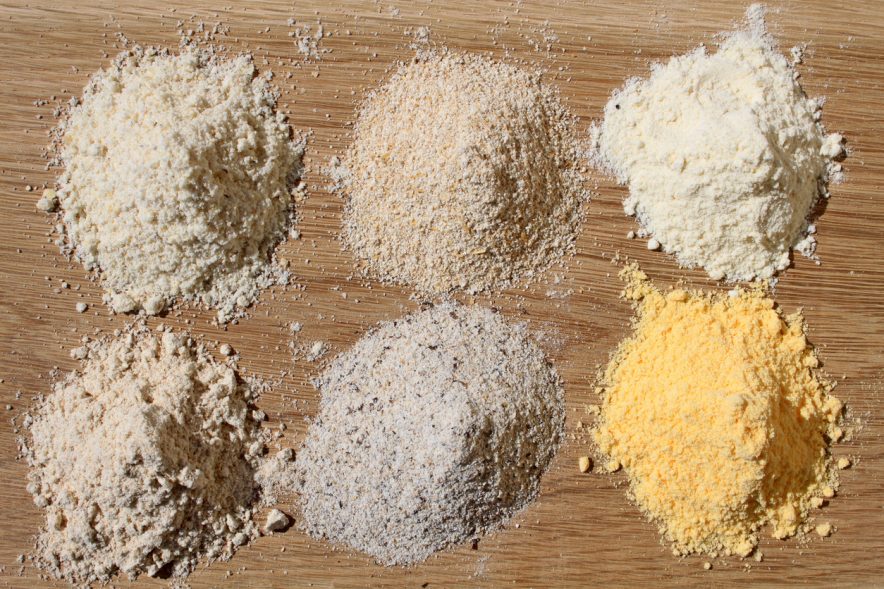
Acorn flour is made from ground acorns and can be used as a substitute for wheat flour. It was used by Native Americans. Koreans also use acorn flour to make dotorimuk. Almond flour is made from ground almonds, suitable for people with gluten-free diets or coeliac...
Non Alcoholic Beverages: Cocoa and Malted Beverages
Cocoa is found in powdered, liquid and butter form made from drying, roasting and fermenting Theobroma cacao seeds. History & Climate Cocoa beans were discovered in South American rain forests about thousands of years ago. being a favorable environment, humid and...
Processing of Wheat – Flour
Flour is a finely ground powder prepared from grain or other starchy plant foods and used in baking. Although flour can be made from a wide variety of plants, the vast majority is made from wheat. The earliest methods used for producing flour all involved grinding...
Uses of Flour in Food Production
Uses of flour: Cakes and pastries As thickening agents ( roux) Pasta Cookies and biscuits Pancake Tortilla A video for you to dig a little deeper Understanding Different Flours and When to Use Them:- https://www.youtube.com/watch?v=pkEp26sck58...
Cooking of Flour (Starch)
Starch: A solid carbohydrate that is granular in form and naturally present in many plants such as grains (wheat or rice), pulses (corn), tubers (potatoes), and numerous other plant species. When cooked, starch can affect foods as it changes the stability, texture and...
Competitive Profile Matrix (CPM)
A Competitive Profile Matrix (CPM) can be used to compare one company to another across a range of factors critical to success, and is another strategic tool which can be useful in helping you define your strategy. The total score for a given company shows how competitive that company is in the marketplace relative to other companies.
Important Ingredient In Baking Bread & Their Roles
Understanding and mastering the roles of these ingredients is essential in bread making. With this knowledge, you can experiment and create bread that is not just delicious but also a showcase of texture and flavor. Happy baking!
Introduction to Milk : Basic Commodities
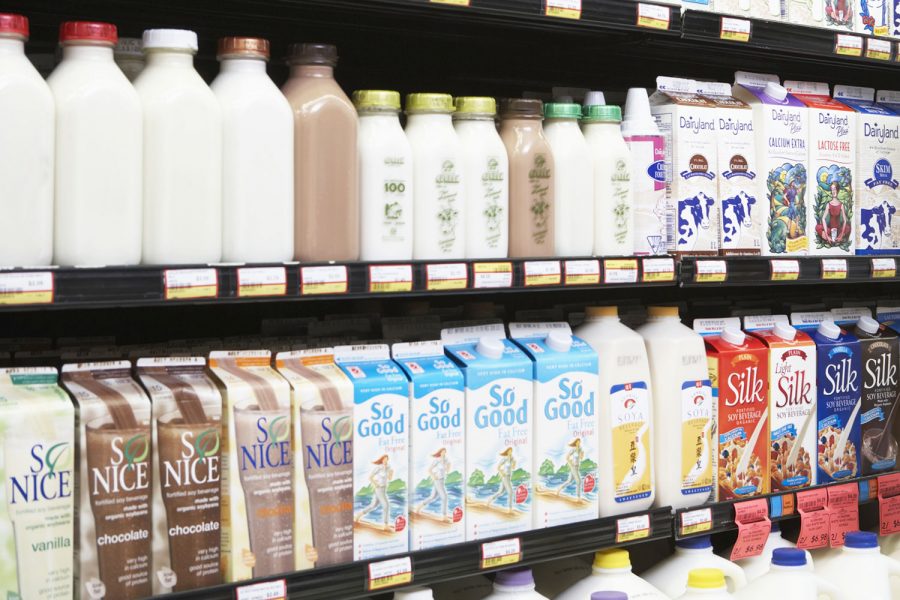
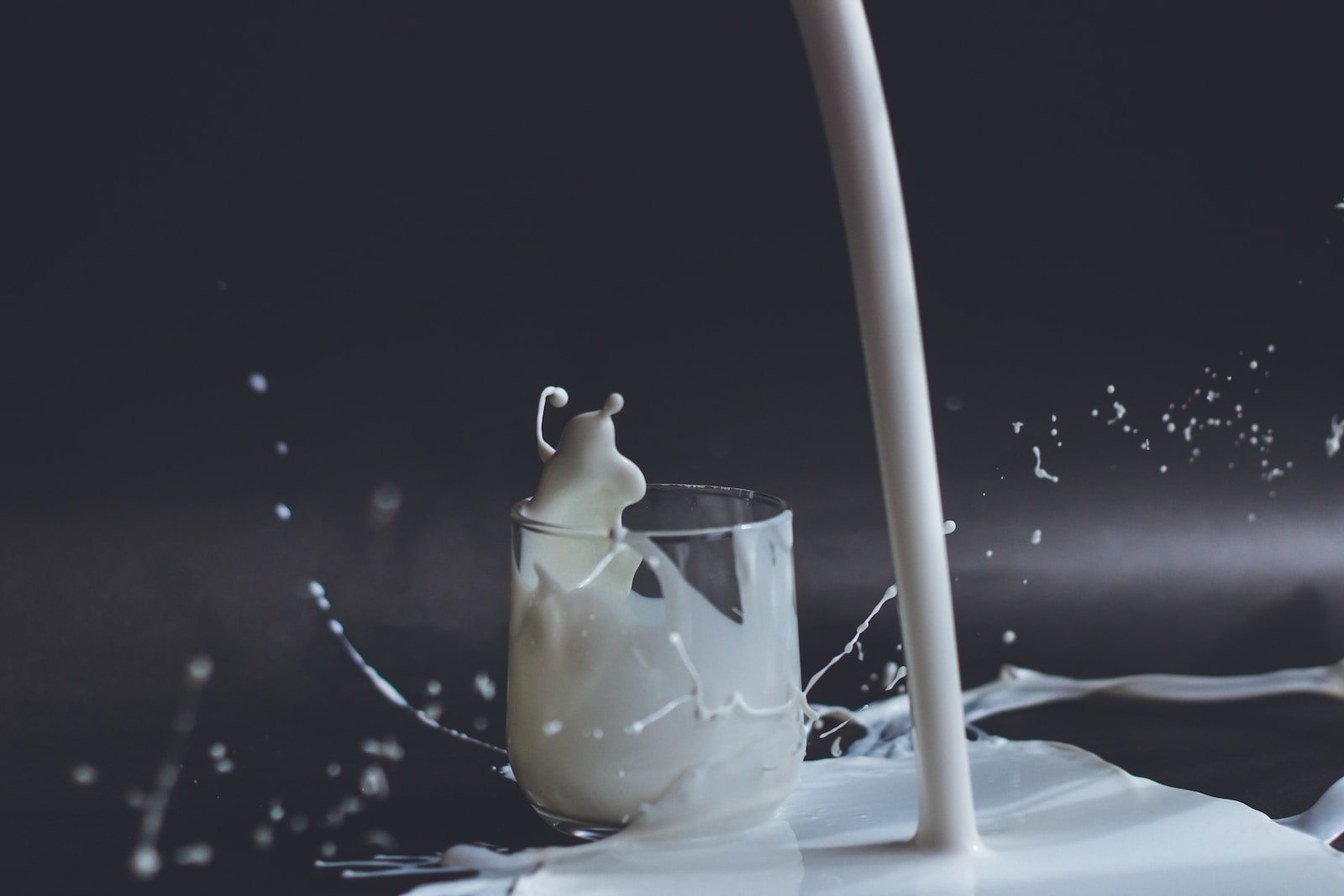
Milk is one of the most basic of all food. Milk constitute a complete diet and even for adults, cow’s milk includes many essential nutrients particularly calcium. SOURCE Mankind from time immemorial has used the milk of animals. The milk of cow, buffalo and goat is...
Processing of Milk
From the time it is milked from the animal to the time of sale, milk has to undergo processing to improve the keeping quality and to make it fit for consumption. The various stages are: 1. Collection Milk is brought to the dairy in clean sterilized vessels, preferably...
Pasteurisation – Homogenisation: Milk
Pasteurization is the process of heating milk up and then quickly cooling it down to eliminate certain bacteria. For effective pasteurization, milk can be heated up to 145 degrees Fahrenheit for 30 minutes, but this method isn't very common. More common is heating...
Types of Milk – Skimmed and Condensed
Various types of milk: Untreated milk: it retains its entire natural flavour. It is advised to boil for 15 minutes before using. It remains good in the refrigerator for 24 hrs. Pasteurized milk: To kill bacteria by heating milk or other liquids to moderately high...
Nutritive Value of Milk
Here is a chart you can refer to get an overview of the nutritive value of different milk:- The table below contains detailed information on nutrients in milk. Nutrition Facts: Milk, whole, 3.25% fat - 100 grams Amount Calories 61 Water 88 % Protein 3.2 g Carbs 4.8 g...
Introduction to Cream
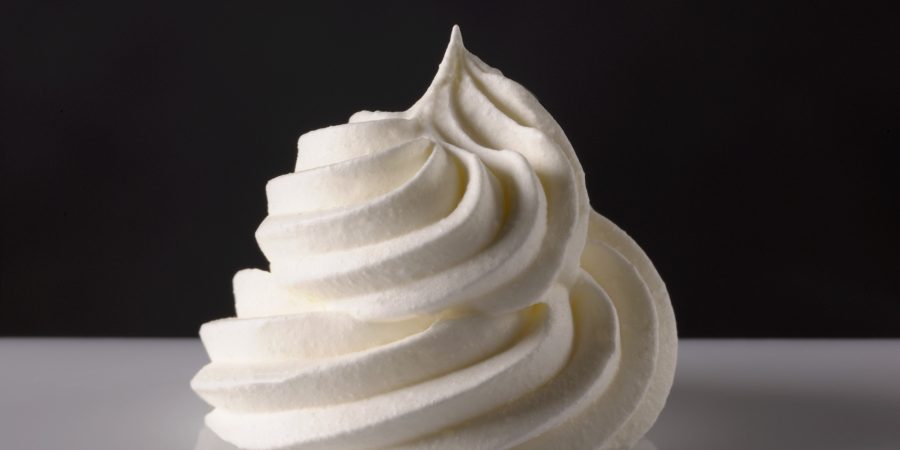
Cream is a dairy product composed of the higher-butterfat layer skimmed from the top of milk before homogenization. The cream has a slight yellow or ivory colour and is more viscous than milk. Uses of Cream 1. To serve with hot or cold coffee and chocolate. 2. To...
Processing of Cream
Cream is a dairy product composed of the higher-butterfat layer skimmed from the top of milk before homogenization. In un-homogenized milk, the fat, which is less dense, will eventually rise to the top. In the industrial production of cream, this process is...
Types of Cream
The principal difference between the various types of cream -single cream, double cream, whipping cream, clotted cream and soured cream - is the balance between water and butterfat. This will make them liquid or of a very thick consistency. Other differences are in...
Leadership and Management Style: A Strategic Guide for Hospitality Industry Students
Explore the intricate dynamics of Leadership and Management Styles and their impact on the hospitality industry. This blog offers insights into various styles and their strategic implications, guiding hospitality students towards successful careers.
Introduction to Cheese
Cheese is a food derived from milk that is produced in a wide range of flavours, textures, and forms by coagulation of the milk protein casein. It comprises proteins and fat from milk, usually the milk of cows, buffalo, goats, or sheep. During production, the milk is...
Autocratic/Democratic Leadership
One way to explore leadership is in terms of the use of authority by the leader and the amount of freedom given to their direct reports. Clearly, as one increases the other will decrease and this will have a major impact on the way the leader leads. With this in mind,...
Processing of Cheese
Here is a short (2:26 min) video showing how cheese is made commercially:- https://www.youtube.com/watch?v=vSRA9rI4TW0 Components in Cheesemaking Milk - The various cheese of the world first owe their character and taste to the type of milk used - double cream, toned,...
Aims and Objectives of Production Control
“Control is maintaining a balance in activities towards a goal or set of goals evolved during production planning.” Planning only outlines some course of action whereas control is an execution process involving standardisation, evaluation and corrective functions. The...
Types of Cheese
Types of cheese are grouped or classified according to criteria such as length of ageing, texture, methods of making, fat content, animal milk, country or region of origin, etc. The method most commonly and traditionally used is based on moisture content, which is...
Forecasting: Production Control
Forecasting is a technique of predicting the volume of sales of the establishment for a specific future period like, for a day, a week, etc. The following are taken into considerations for forecasting – Estimating the total numbers of covers sold from the past...
Classification of Cheese
Cheeses are normally classified according to firmness, which varies with the degree of moisture. The moisture content of firm cheeses may be as low as 30%, while that of soft or fresh cheeses may be as high as 80%. The most common designations include fresh (or...
Fixing of Standards in Production Control
The word “standard” is synonymous with the phrase – “what it should be”. It actually is the base for any control that is to be implemented. The different standards with respect to production control are – Standard purchase specification Standard yield, Standard...
Curing/Ripening of Cheese
Cheese ripening, alternatively cheese maturation or affinage, is a process in cheesemaking. It is responsible for the distinct flavour of cheese, and through the modification of "ripening agents", determines the features that define many different varieties...
Definition of standards (Quality & Quantity): Production Control
The term ‘standard’ is synonymous with the phrase ‘what it should be’, standards are aids to management for the control of food and beverage department and for the measurement of the efficiency of kitchens and bars and especially butchery department. The term ‘yield’...
Introduction to Butter
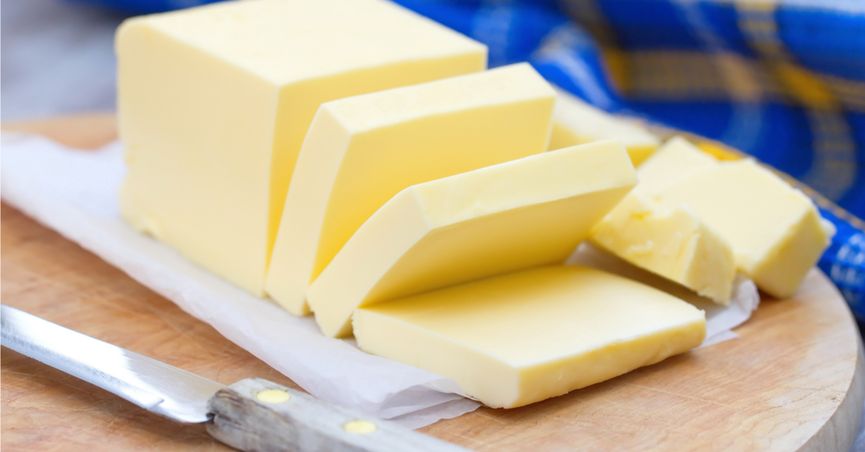
Butter is fatty substance obtained from churned cream, containing 80% fat, 20% water and whey (milk solids lift from separating process). Butter can be made from any kind of milk. In India, butter is made from buffalo milk. Butter hardens at low temperature and melts...
Standard Portion Cost (Objectives & Cost Cards): Production Control
This topic needs some more content. Your contribution will be highly appreciated. The menu price of food items is based on the cost of the standard portion of food required to prepare them. A standard portion size is the quantity of a particular food item that could...
Processing of Butter
Following are major steps in Manufacturing/Processing of Butter:- 1. HOLDING: Cream is pasteurized for 2-4 seconds at 95º C and then the temperature is lowered to 4-5º C and that is kept for several hours to ensure uniform hardening of fat particles. 2. RIPENING: When...