
Table of Contents
Varieties of Pastry Cream
Channel Island extra thick double cream
A rich, thick cream that is made with milk from Guernsey and Jersey cows, it can be used straight from the tub. It has a fat content of 48%. Uses: Spoon over puddings or fruit or add to sauces for a rich, creamy taste. Also ideal for using to fill sponge cakes or gateaux. To store: Keep in the fridge for up to 5 days, once opened use within 3 days and consume by the use by date.
Chantilly Cream
Is another name for vanilla-flavored whipped cream. Note: In Italy, crema chantilly is made by folding whipped cream into crema pasticcera (pastry cream) to make a wonderfully decadent concoction.
 Clotted cream

Clotted cream is the thickest and richest type available and is traditionally made in Devon or Cornwall (also known as Devonshire or Devon). It is gently scalded to produce its golden crust. It has a spoonable consistency and does not need to be whipped before serving. It has a fat content of 55%- 60% and is not recommended for cooking because it tends to separate on heating. Uses: Traditionally served on scones with jam, also good on fresh fruit and ice cream. A decadent accompaniment to desserts, used in place of regular/pure cream. Ideal as a filling in desserts, and included in sauces and risottos. A great partner to a fresh berry assortment. To store: Keep in the fridge for up to 2 weeks and consume by the use by date. It can be frozen for up to 1 month.
 Crème fraîche
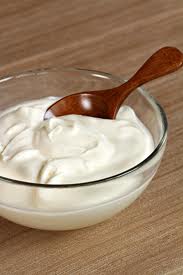
This is fresh cream which is treated with a bacteria culture that thickens it and gives it a slightly sour taste. It is suitable for spooning, is widely used in French cookery and is becoming increasingly popular in Britain. It has a fat content of 39% and cannot be whipped. For a healthier alternative choose the half fat version. Uses: Crème fraîche is ideal for serving with fruit and puddings, it can also be used for making salad dressings and dips. It can be used in cooking to add a creamy taste to curries, sauces and casseroles. Crème Fraiche is valued by chefs as it is stable when heated and has a more refined flavour. To store: Keep in the fridge for up to 5 days, once opened use within 3 days and consume by the use by date. It cannot be frozen.
 Double cream (also called “country style”)

This is the most versatile type of fresh cream, it can be used as it is or whipped. It contains 48% fat. Uses: It can be used for pouring over fruit and puddings, used in cooking or whipped and incorporated into dishes or served separately. Whipped double cream can be spooned or piped on to desserts and cakes. To store: Keep in the fridge for up to 5 days, once opened use within 3 days and consume by the use by date. It can be frozen for up to 2 months when lightly whipped.
Extra thick single cream
This has the same fat content as single cream (18%) but it has been homogenised to produce a thick spoonable consistency similar to double: it cannot be whipped. Uses: Serve with fruit and desserts. To store: Keep in the fridge for up to 5 days, once opened use within 3 days and consume by the use by date. It is unsuitable for freezing.
Flavoured creams
Available at Christmas, Brandy, Calvados, and cinnamon creams are made from a combination of double cream, sugar and alcohol. Uses: Serve with Christmas pudding, apple tart or any chocolate or nut pudding. Spoon over warm mince pies or use to fill brandy snaps. A spoonful of flavoured cream in hot chocolate is delicious. To store: Keep in the fridge and consume by the use by date. Once opened use within 3 days.
Goat’s milk double cream
Made from pasteurised goat’s milk from St Helen’s Farm in Yorkshire, goat’s milk double cream has an ice white appearance and tastes smooth and mild. It is suitable for cow’s milk-free and vegetarian diets. Uses: It can be used for whipping, pouring or simply spooning on to desserts. To store: Keep in the fridge for up to 5 days, once opened use within 3 days and consume by the use by date. It can be frozen for up to 2 months when lightly whipped.
 Half-and-Half (Also called Coffee Cream)

Is a mixture of half cream and half milk. The milk fat content is 10-12 percent. This cream cannot be whipped. In the United States, half and half is a mix of 1/2 whole milk and ½ cream and is typically used in coffee. Half-and-half does not whip, but it can be used in place of whipping (heavy) cream in many recipes for less fat cooking and may replace whole homogenized milk (3.25% m.f.) in some recipes for a fuller, richer flavor.
 Heavy Cream or Heavy Whipping Cream
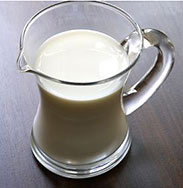
Has the highest amount of milk fat, which is usually between 36 and 40 percent in the United States and as high as 48 percent elsewhere. In the U.S., it is mostly found in gourmet food stores. This cream whips denser than whipping cream. Whips up well and holds its shape. Doubles in volume when whipped.
Long Life Cream (UHT)
Long life cream has undergone ultra heat treatment (UHT) to extend its shelf life. It is heated at high temperatures for a short period to stabilise it. Available in cartons, long life usually contains 35% milk fat. It will whip well if chilled and can be spooned over desserts or used in cooking. Also available in reduced fat.
Preparation and care in production
2. If the heat is too high or you are stirring too slow at the point when the pastry cream reaches a boil, it will lump. If this happens, pass it through a strainer immediately, before it cools.
3. When removing the cooked Pastry Cream from the pot to another container, do not scrape the bottom of the pan. You often see a layer of the cooked or burned mixture on the bottom of the pan and you don’t want to mix it in with the good stuff.
4. Always strain your Pastry Cream while still warm through a fine-mesh strainer before chilling. You want to make sure you strain out the small lumps which are really the chalazae parts of the egg.
5. Once made and while still warm, press plastic wrap directly on the surface of the Pastry Cream, and refrigerate until cold and set, at least 3 hours or up to 2 days. Chilling thickens the filling, so make it first, then make the rest of the recipe. But don’t whisk the cold Pastry Cream — it breaks down the starch, thinning it.
6. Never leave a recipe that includes Pastry Cream out on a hot day; it is an ideal mixture for bacteria! Refrigerate cakes or any recipe made with pastry cream fillings or whipped cream frostings immediately. You can freeze cakes with filled with pastry cream, but it won’t be quite the same nice texture as before and may make the cake soggy. Remember to thaw and then store the cake in the refrigerator.