
Table of Contents
Q.1. Discuss the factors to be kept in mind while planning a menu.
- Type of establishment: Consider the type of food service establishment, such as a fine dining restaurant, casual eatery, or catering business, to determine the appropriate menu style and offerings.
- Target audience: Understand the preferences and expectations of the target audience, including their tastes, dietary restrictions, and spending habits.
- Nutritional balance: Ensure that the menu offers a variety of balanced options, including proteins, carbohydrates, and vegetables, to cater to different dietary needs and preferences.
- Seasonality: Use seasonal ingredients to ensure the freshest and highest quality produce, as well as to take advantage of lower costs and reduced environmental impact.
- Availability of ingredients: Ensure that the ingredients used in the menu can be easily sourced and are consistently available to maintain the quality and consistency of the dishes.
- Cost and pricing: Calculate the cost of ingredients, labor, and overhead, and set prices that will generate a profit while remaining competitive and appealing to the target audience.
- Skill level of staff: Consider the skill level and experience of the kitchen staff when designing the menu, to ensure that dishes can be prepared efficiently and consistently.
- Equipment and facilities: Take into account the available kitchen equipment and facilities when planning the menu, to ensure that the dishes can be prepared effectively and in a timely manner.
- Menu size and variety: Create a menu with a manageable number of items, offering a range of options without overwhelming customers or overburdening the kitchen staff.
- Menu layout and design: Design the menu in a clear and visually appealing manner, using appropriate font styles, sizes, and colors, to make it easy for customers to read and make their selections.
- Theme or concept: If the establishment has a specific theme or concept, ensure that the menu aligns with this, offering dishes and flavors that are consistent with the overall vision.
- Specials and promotions: Consider offering daily or weekly specials, seasonal promotions, or limited-time offers to keep the menu fresh and interesting, and to encourage repeat business.
OR Plan the layout of 100 cover new speciality restaurant and explain how you would decide colour, décor, interiors and equipment with reasons.
Layout of a 100-Cover Specialty Restaurant
- Entrance and reception area: Create a welcoming entrance with a reception or host stand, providing space for guests to wait if necessary. Ensure that the entrance is easily accessible and visible.
- Dining area: Design the dining area to accommodate 100 guests comfortably, with a mix of table sizes and seating options, including booths, banquettes, and individual tables. Ensure adequate space between tables for ease of movement and privacy.
- Bar and lounge area: If incorporating a bar and lounge, create a separate area for guests to enjoy pre- or post-dinner drinks, and consider including comfortable seating and low tables for a more relaxed atmosphere.
- Kitchen: Design an efficient and well-organized kitchen layout, with separate areas for food preparation, cooking, plating, and dishwashing. Ensure there is adequate ventilation and proper safety measures in place.
- Restrooms: Provide clean, accessible restrooms for guests, with appropriate signage and facilities for guests with disabilities.
- Storage and service areas: Allocate space for storage, including dry storage, cold storage, and a separate area for clean and dirty linens. Include a service area for staff to access glassware, silverware, and dishware, as well as a station for water and coffee service.
Deciding Color, Décor, Interiors, and Equipment
- Color: Choose a color scheme that reflects the restaurant’s theme, concept, or cuisine. Consider using warm, inviting colors to create a cozy atmosphere, or brighter, bolder colors for a more energetic vibe. Consider the psychological effects of colors on appetite and mood.
- Décor: Incorporate décor elements that align with the restaurant’s theme or cuisine, such as artwork, lighting fixtures, or decorative items. Ensure that the décor complements the color scheme and enhances the overall ambiance.
- Interiors: Select interior design elements, such as flooring, wall treatments, and window coverings, that complement the color scheme and décor. Consider the acoustics of the space and choose materials that help to minimize noise levels.
- Furniture: Choose comfortable, durable, and easy-to-clean furniture that complements the restaurant’s style and theme. Ensure that the furniture is functional and appropriately sized for the space.
- Equipment: Select high-quality, energy-efficient kitchen equipment that meets the needs of the restaurant’s menu and volume of business. Consider investing in equipment with advanced features that can help to streamline operations and improve food quality.
- Lighting: Design a lighting plan that highlights key architectural and design elements, while providing sufficient illumination for guests and staff. Consider using a mix of ambient, task, and accent lighting to create a visually appealing and functional space.
- Reasons for choices: Consider the following factors when making decisions about the restaurant’s design and equipment:
- Reflecting the restaurant’s concept or theme in the design
- Creating a comfortable and visually appealing environment for guests
- Ensuring functionality and ease of use for staff
- Meeting safety, accessibility, and health regulations
- Considering the long-term durability and maintenance requirements of materials and equipment
- Balancing budget constraints with the need for quality and aesthetic appeal
Q.2. Sketch out a plan for formal dinner banquet of 200 guests with 12 guests on the head table and rest in sprigs. Calculate the space requirement and size of the tables for the plan.
Formal Dinner Banquet Plan for 200 Guests
Head Table
- Seating for 12 guests
- One long rectangular table (2.5 ft wide x 18 ft long)
Sprigs
- 188 guests in sprigs (200 total guests – 12 at head table)
- 19 sprig tables with 10 guests per table (round tables with a diameter of 5-6 ft)
Space Requirements
- Head Table: Allocate 2.5 ft x 18 ft, plus an additional 3 ft of space on all sides for ease of movement (8.5 ft x 24 ft total).
- Sprig Tables: Allocate a minimum of 12 ft x 12 ft per table, to accommodate the table size, chairs, and circulation space.
- For 19 sprig tables, a total space of 228 ft x 12 ft (or an equivalent area) is required.
Banquet Layout
- Head Table: Place the head table at the front of the room, with enough space for guests to walk around it. Position it centrally, so it is the focal point of the room.
- Sprig Tables: Arrange the sprig tables evenly throughout the room, with a minimum of 12 ft between tables to ensure ample space for guests to circulate and for service staff to move efficiently. Be mindful of sightlines to the head table and any presentation areas, as well as access to restrooms, exits, and food stations.
- Dance Floor and Entertainment: If applicable, allocate space for a dance floor or stage for entertainment, ensuring that it is positioned centrally and easily accessible for all guests.
- Buffet or Food Stations: If using a buffet or food stations, designate an area that is easily accessible for all guests and provides ample room for lines to form without obstructing the flow of traffic.
- Bar: If including a bar, place it in a location that is easily accessible for guests but does not obstruct the flow of traffic or create congestion.
- Restrooms and Exits: Ensure that restrooms and exits are clearly marked and easily accessible for all guests.
- Decorations and Lighting: Consider using table centerpieces, linens, and lighting to create a visually appealing environment that aligns with the event’s theme and color scheme.
Q.3. Write short notes on any two:
(a) Toast Procedure
A toast is a ritual in which a drink is taken as an expression of honor, goodwill, or celebration. The toast procedure typically includes the following steps:
- Introduction: The toastmaster or a designated speaker initiates the toast by standing and addressing the guests, often sharing a brief anecdote or sentiment related to the occasion.
- Proposal: The speaker proposes the toast, often raising their glass and stating the purpose or subject of the toast, such as “To the happy couple!” or “To a successful event!”
- Response: Guests acknowledge the toast by raising their glasses and repeating the toast phrase, or simply saying “Cheers!” or “To [subject]!”
- Drinking: All participants take a sip of their drinks simultaneously, as a sign of unity and agreement with the sentiment expressed in the toast.
- Completion: The toastmaster or speaker may offer a final word or expression of thanks, and guests can return to their seats or continue with their conversation.
(b) Centre Piece
A centerpiece is a decorative element placed at the center of a table, often as a focal point for the table setting. Centerpieces can be made from a variety of materials and objects, such as flowers, fruits, candles, sculptures, or other artistic creations. The purpose of a centerpiece is to enhance the aesthetic appeal of the table and create a visually pleasing atmosphere for guests. When designing a centerpiece, consider factors such as the event theme, color scheme, and the size and shape of the table.
(c) Road Show
A road show is a promotional event in which a company, organization, or individual travels to various locations to showcase their products, services, or ideas. Road shows are often used for marketing purposes, such as introducing a new product or service, building brand awareness, or generating interest from potential investors or clients. Road shows can take many forms, including product demonstrations, presentations, trade show exhibits, or interactive displays.
(d) Seminars
Seminars are educational events where an expert or a group of experts present information and insights on a specific topic to an audience. Seminars typically involve a mix of lectures, discussions, and interactive activities, allowing participants to gain new knowledge, enhance their skills, and engage in networking opportunities. Seminars can be held in-person or virtually and may range from a few hours to several days in length. They are often used for professional development, academic enrichment, or to promote the exchange of ideas within a specific industry or field.
Q.4. Explain the following in one or two lines:
(a) Ante-room: A small room adjacent to a larger room, often used as a waiting or reception area before entering the main space.
(b) Wave service: A type of table service in which servers present and serve dishes simultaneously to all guests at a table in a synchronized manner.
(c) Risers: Elevated platforms used to create different levels or display heights for items, such as food, decorations, or stage performances.
(d) Lectern: A stand or podium used to hold notes or papers for a speaker during a presentation or public speaking event.
(e) Sprig: In banquet seating arrangements, a sprig refers to a group of tables arranged together, often in a circular or semi-circular pattern.
(f) Gangway: A passageway or aisle between rows of seats, tables, or other spaces, allowing for ease of movement and access.
(g) MOC: Master of Ceremonies, the person responsible for hosting and guiding the flow of an event or program.
(h) Symposium: A conference or meeting where experts discuss and share information on a specific topic, often including presentations, panel discussions, and interactive sessions.
(i) Summit: A high-level meeting or conference involving top leaders, decision-makers, or experts in a particular field or industry, often focused on addressing major challenges or opportunities.
(j) ODC: Outdoor Catering, a service provided by catering companies to prepare and serve food at events held outside of a traditional banquet or dining facility.
Q.5. Sketch a function prospectus. Discuss its importance in planning and departments involved.
Function Prospectus
A function prospectus is a comprehensive document outlining the details and requirements of an event, which serves as a guide for event planners and the various departments involved in executing the event. It includes essential information such as event objectives, schedules, guest lists, menu selections, room setups, and audiovisual requirements.
Importance in Planning
- Clear Communication: A function prospectus ensures that all departments are aware of the event details and expectations, facilitating clear communication and collaboration among teams.
- Resource Allocation: It helps determine and allocate the necessary resources, such as staff, equipment, and materials, to successfully execute the event.
- Efficiency: By providing a clear plan and timeline, the function prospectus helps teams work efficiently and avoid misunderstandings or delays.
- Budgeting: It assists in budget planning and tracking, as the prospectus outlines the expected costs and resources required for the event.
- Quality Control: The prospectus serves as a reference for evaluating the success of the event and identifying areas for improvement in future events.
Departments Involved
- Sales and Marketing: This department is responsible for promoting the event, securing sponsorships, and attracting attendees.
- Catering: The catering team works on creating and executing the menu, ensuring that food and beverages are served according to the prospectus requirements.
- Banquet Operations: This department manages room setups, furniture arrangements, and the overall event space, ensuring that it is prepared according to the prospectus specifications.
- Audiovisual: The audiovisual team is responsible for setting up and managing all necessary sound, lighting, and presentation equipment, as outlined in the function prospectus.
- Housekeeping: This department ensures that the event space is clean and well-maintained throughout the event, providing support in areas such as waste management and restroom maintenance.
- Front Office: The front office team assists with guest registration, providing information about the event, and addressing any guest concerns or requests.
- Security: This department is responsible for maintaining a safe and secure environment during the event, managing access control, and addressing any security-related issues.
OR Enlist different types of seating arrangements in banquets with neat diagram.
Here are different types of seating arrangements in banquets along with their respective diagrams:
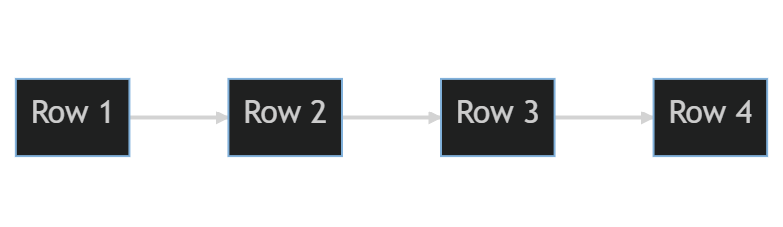
- Theater Style
Theater-style seating consists of rows of chairs facing a stage or presentation area, ideal for conferences, presentations, or performances.
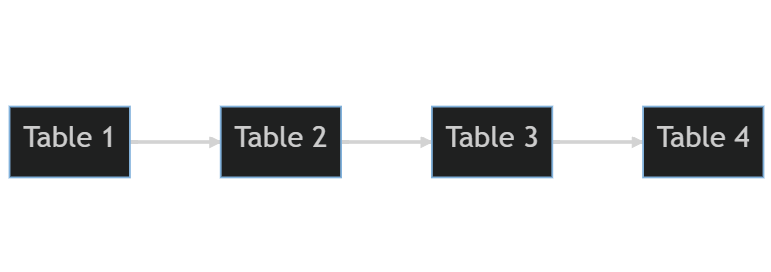
- Classroom Style
Classroom-style seating features rows of tables with chairs facing a stage or presentation area, often used for training sessions, workshops, or seminars.
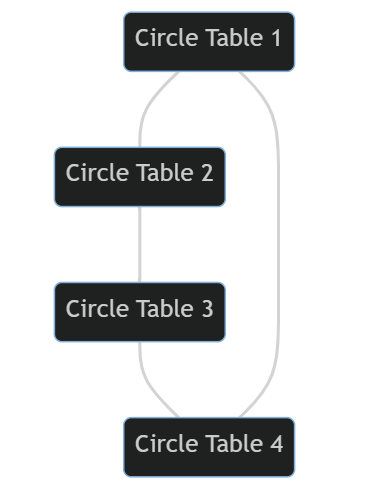
- Banquet Style
Banquet-style seating comprises round tables with chairs placed around them, suitable for formal dinners, weddings, and gala events.
- U-Shape Style
U-shape seating consists of tables arranged in a U-shaped configuration, with chairs on the outside, often used for meetings, discussions, or presentations where interaction between participants is essential.
{{{CHART TO BE ADDED}}}
- Hollow Square Style
Hollow square seating involves tables arranged in a square or rectangular configuration, with chairs on the outside, suitable for meetings or discussions where all participants can face each other.
{{{TO BE ADDED}}}
- Boardroom Style
Boardroom-style seating features a large central table with chairs around it, ideal for executive meetings, small group discussions, or decision-making sessions.
{{{TO BE ADDED}}}
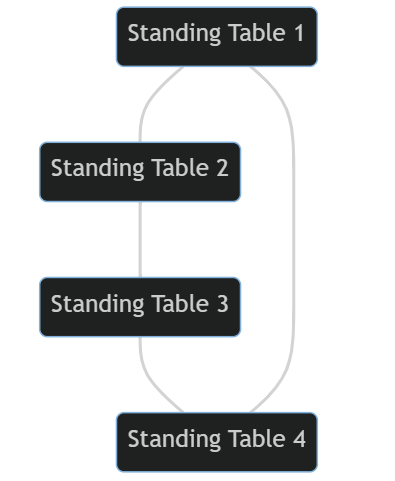
- Cocktail Style
Cocktail-style seating includes tall standing tables with no chairs, encouraging guests to mingle and network during receptions, cocktail parties, or casual events.
- Cabaret Style
Q.6. Sketch the layout of different sections of a buffet breakfast.
{{{CHART TO BE ADDED}}}
- Beverage Station: This section includes various beverages such as coffee, tea, milk, and a variety of fruit juices.
- Bread & Pastry Station: This station offers a selection of bread, rolls, croissants, and pastries along with spreads, butter, and jams.
- Cereal & Granola Station: This area features a variety of cereals, granola, yogurt, and milk, allowing guests to mix and match their preferred combination.
- Fruit & Salad Station: This station offers fresh fruits, fruit salads, and green salads with an assortment of dressings and toppings.
- Hot Breakfast Station: This section includes hot breakfast items such as sausages, bacon, hash browns, grilled tomatoes, mushrooms, and baked beans.
- Egg & Omelette Station: This area offers a variety of egg dishes such as scrambled eggs, boiled eggs, and made-to-order omelettes with a choice of fillings.
- Cheese & Cold Cuts Station: This station features an assortment of cheeses and cold cuts, such as ham, salami, and smoked salmon.
- Dessert Station: This section includes a selection of sweet treats, such as muffins, pancakes, waffles, and a variety of toppings and syrups.
The layout can be customized according to the preferences of the guests and the available space. It is essential to ensure a smooth flow of traffic and maintain adequate space between stations to avoid congestion.
Q.7. Define buffet and its types. Write its advantages and dis-advantages.
A buffet is a self-service dining style where guests can choose from a variety of food items displayed on a long table or counter. It allows guests to select their preferred dishes, portions, and combinations while moving along the serving line.
Types of Buffets
- Cold Buffet: Offers an assortment of cold dishes, such as salads, cold cuts, cheese, and chilled seafood.
- Hot Buffet: Features hot dishes, including main courses, side dishes, and warm appetizers.
- Breakfast Buffet: Provides a variety of breakfast items such as eggs, cereals, pastries, and beverages.
- Dessert Buffet: Focuses on sweet treats like cakes, pastries, fruits, and ice cream.
- Themed Buffet: Offers a selection of dishes based on a specific theme, cuisine, or cultural tradition.
Advantages
- Variety: Buffets provide a wide range of dishes, allowing guests to sample and enjoy multiple options.
- Customization: Guests can choose their preferred dishes, portions, and combinations according to their tastes and dietary needs.
- Efficiency: Buffets require fewer servers, reducing labor costs and enabling more efficient service.
- Social Interaction: The informal setting encourages guests to mingle and interact with one another.
- Cost-effective: Buffets can be more cost-effective for large groups, as they require less preparation and fewer staff.
Disadvantages
- Food Quality: Maintaining the quality and temperature of food items can be challenging, especially during lengthy service periods.
- Food Waste: Buffets can lead to increased food waste, as guests may take more food than they can consume.
- Crowding: Buffets can become congested, particularly during peak times or when the serving area is small.
- Limited Personalization: While guests can customize their plates, the options are still limited to the available dishes, which may not cater to all preferences or dietary restrictions.
- Hygiene Concerns: Buffets may raise hygiene concerns, as multiple guests handle serving utensils and interact with the food.
Q.8. Define gueridon. Give its advantages and dis-advantages. List the spirits used for flambéing.
Gueridon is a style of tableside service where a portion of the food preparation or finishing is done in front of the guests using a small movable trolley, also called a gueridon trolley. This service style is often associated with intricate or flamboyant dishes, such as those involving carving, flambéing, or assembling.
Advantages
- Entertainment: Gueridon service adds an element of entertainment and spectacle, creating a memorable dining experience for guests.
- Personalization: Tableside preparation allows for greater customization, as guests can request specific ingredients or adjustments to their preferences.
- Freshness: Dishes are prepared or finished immediately before consumption, ensuring optimal freshness and quality.
- Interaction: Gueridon service encourages interaction between guests and service staff, providing opportunities for personalized recommendations and education about the dish.
Disadvantages
- Higher Costs: Gueridon service often requires skilled and experienced staff, which can lead to increased labor costs.
- Limited Scalability: Tableside service can be time-consuming and challenging to execute efficiently for large groups or high-volume establishments.
- Space Requirements: Gueridon trolleys require additional space in the dining area, which can be an issue in smaller or crowded venues.
- Safety Concerns: Tableside preparation, especially when it involves flambéing or sharp utensils, can pose safety risks if not performed carefully.
Spirits Used for Flambéing
Some popular spirits used for flambéing include:
- Brandy: Often used in dishes like Cherries Jubilee, Steak Diane, and Crêpes Suzette.
- Rum: Commonly used for flambéing dishes like Bananas Foster and Rum-Raisin desserts.
- Whiskey: Suitable for flambéing meats or adding a smoky flavor to sauces.
- Cognac: Used in various dishes, such as Coq au Vin or Lobster Bisque.
- Grand Marnier: A popular choice for flambéing desserts like Crêpes Suzette or Orange Caramel Flan.
It is important to note that high-proof spirits are ideal for flambéing, as they ignite more easily and produce a more dramatic flame.
Q.9. Give the standard recipe of the flambé dishes (any two):
(a) Crêpe Suzette
Ingredients:
- 12 prepared crepes
- 1 cup granulated sugar
- 1/4 cup unsalted butter
- Zest of 1 orange
- 1 cup orange juice
- 1/4 cup Grand Marnier
- 1/4 cup cognac
Procedure:
- In a large skillet over medium heat, melt the butter.
- Add the sugar and stir until it dissolves into a smooth caramel.
- Add the orange zest and juice, and simmer until the sauce thickens slightly.
- Dip each crepe in the sauce, fold into quarters, and arrange them in the pan.
- Warm the Grand Marnier and cognac in a small saucepan, pour over the crepes, and carefully ignite to flambé.
- When the flames subside, serve the crepes immediately.
(b) Pineapple Flambé
Ingredients:
- 1 whole pineapple, peeled, cored, and sliced
- 1/4 cup butter
- 1/2 cup brown sugar
- 1/2 cup dark rum
Procedure:
- Melt the butter in a large skillet over medium heat.
- Add the pineapple slices and cook until they start to soften.
- Sprinkle the brown sugar over the pineapple, and cook until it dissolves into a syrup.
- Warm the rum in a small saucepan, pour over the pineapple, and ignite to flambé.
- When the flames subside, serve the pineapple immediately, with the syrup spooned over the top.
(c) Banana au Rhum
Ingredients:
- 4 ripe bananas
- 4 tablespoons unsalted butter
- 4 tablespoons brown sugar
- 1/2 cup rum
Procedure:
- Melt the butter in a large skillet over medium heat.
- Peel and slice the bananas, and add them to the skillet.
- Sprinkle the brown sugar over the bananas, and cook until the sugar dissolves and the bananas are caramelized.
- Warm the rum in a small saucepan, pour over the bananas, and ignite to flambé.
- When the flames subside, serve the bananas immediately, with the rum sauce spooned over the top.
(d) Steak Diane
Ingredients:
- 4 beef tenderloin steaks
- Salt and black pepper
- 2 tablespoons vegetable oil
- 4 tablespoons unsalted butter, divided
- 1/4 cup finely chopped shallots
- 1 cup sliced mushrooms
- 1/2 cup brandy
- 1 cup heavy cream
- 2 teaspoons Dijon mustard
- 2 teaspoons Worcestershire sauce
- Chopped fresh parsley for garnish
Procedure:
- Season the steaks with salt and pepper.
- Heat the oil and 2 tablespoons of the butter in a large skillet over medium-high heat.
- Add the steaks and cook to desired doneness. Remove the steaks from the pan and keep warm.
- In the same pan, add the remaining butter, shallots, and mushrooms, and cook until softened.
- Warm the brandy in a small saucepan, pour it into the skillet, and ignite to flambé.
- When the flames subside, stir in the cream, mustard, and Worcestershire sauce
Q.10. Write the manual and automated/mechanical systems used in plate wash and pot wash area.
Manual Systems
- Three-Compartment Sink: A typical setup for manual plate and pot washing consists of three separate compartments filled with water: one for pre-washing, one for washing with detergent, and one for rinsing. This system ensures that dishes are pre-cleaned, washed, and rinsed thoroughly.
- Scraping and Pre-Rinsing: Before washing, plates and pots are scraped to remove large food particles. A pre-rinse spray nozzle is then used to remove any remaining food debris.
- Dishwashing Detergent: Dishes are then washed in the second compartment with a dishwashing detergent and a sponge or dishcloth. Proper water temperature and concentration of detergent are essential for effective cleaning.
- Rinsing: After washing, dishes are rinsed in the third compartment to remove any remaining detergent and food particles.
- Sanitizing: In some establishments, dishes may undergo an additional sanitizing step, either through a chemical sanitizing solution or by immersion in hot water at a specific temperature.
- Air Drying: Finally, the clean dishes are placed on a drying rack to air dry before being stored or used again.
Automated/Mechanical Systems
- Conveyor Dishwasher: A conveyor dishwasher is a high-capacity, automated system that continuously cleans dishes as they are placed on a conveyor belt. The machine has separate sections for pre-rinsing, washing, rinsing, and drying. These systems are commonly used in large-scale operations, such as hotels, hospitals, and banquet facilities.
- Undercounter Dishwasher: Undercounter dishwashers are compact machines designed to fit under a countertop. They operate in a similar manner to a residential dishwasher, with a wash cycle, rinse cycle, and drying cycle. These machines are suitable for smaller establishments or as a supplementary dishwasher in larger operations.
- Door-Type Dishwasher: Door-type dishwashers are designed for medium to large operations. The dishes are placed on racks and pushed into the machine, which has a door that lowers to seal the washing chamber. The machine then runs a wash cycle, rinse cycle, and drying cycle before the door is opened, and the clean dishes are removed.
- Flight-Type Dishwasher: Flight-type dishwashers are similar to conveyor dishwashers but are designed for even higher volume operations. Instead of a conveyor belt, they use a series of “flights” or platforms that move dishes through the washing, rinsing, and drying zones.
- Pot Washer: A pot washer is a specialized machine designed specifically for cleaning large pots, pans, and other heavy-duty cookware. These machines use high water pressure and temperature to remove stubborn food residues.
Both manual and automated systems have their advantages and disadvantages, and the choice of which to use will depend on factors such as the size and type of the establishment, the volume of dishes, and the available budget for equipment and labor.