
Table of Contents
The crockery must blend in with general décor of the establishments and also with the rest of the items on the table. An establishment generally uses one design pattern of crockery, but when an establishment has a number of different service areas it is easier, from the control point of view, to have a different design in each service area.
China is a term used for crockery whether bone china (expensive and fine), earthenware (opaque and cheaper) or vitrified (metallized). Most catering crockery used nowadays tends to be vitrified earthenware, which is very durable and have been strengthened. Chinaware is made of silica, soda ash, and china clay, glazed to give a fine finish. Chinaware is more resistant to heat than glassware and can be found in different colours and designs which are always coated with glaze.
Classification of Crockery
- Bone china
- Porcelain
- Earthenware
- Stoneware
- Alumina
- Melamine
- Terracotta
Bone china
Bone china is porcelain made of clay mixed with bone ash. This is very fine, hard china that is very expensive. The decorations are to be found under the glaze only. The price of bone china puts it out of reach of the majority of everyday caterers, and only a few of the top-class hotels and restaurants would use it. The range of design, pattern and colour is very wide and there is something to suit all occasions and situations.

Porcelain
Porcelain is a ceramic material made by heating selected and refined materials, which often includes clay of kaolinite clay, to high temperatures. The raw materials for porcelain, when mixed with water, form a plastic body that can be worked to a required shape before firing in a kiln at temperatures between 1200°C and 1400°C. The toughness, strength, and translucence of porcelain arise mainly from the formation of glass at high temperatures and the mineral malate within the fired body.

Earthenware
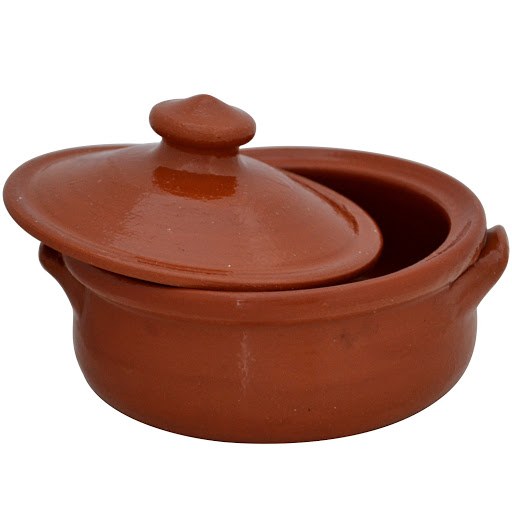
Earthenware may sometimes be as thin as bone china and other porcelains, though it is not translucent and is more easily chipped. Earthenware is also less strong, less tough, and more porous than stoneware, but its low cost and easier working compensate for these deficiencies. Due to its higher porosity, earthenware must usually be glazed in order to be watertight.
Stoneware
Stoneware is hard pottery made from siliceous paste fired at high temperature to vitrify (make glassy) the body. Stoneware is heavier and more opaque than porcelain. The usual colour of fired stoneware tends to be greyish, though there may be a wide range of colours, depending on the clay. It has been produced in China since ancient times and is the forerunner of Chinese porcelain.

Alumina
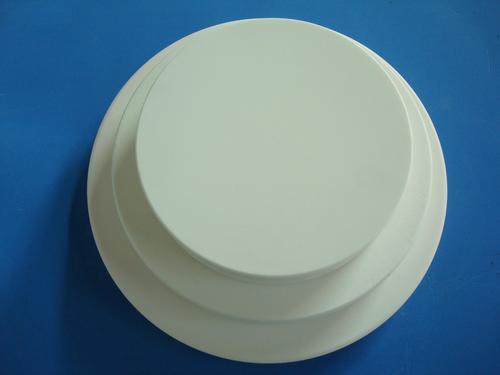
Alumina enriched crockery can normally be spotted due to its creamy colour. Alumina is an oxide of aluminium which is added to the clay to give it additional strength. Though the addition of alumina makes the crockery more expensive than standard porcelain, it is generally cheaper than bone china, making it a popular alternative.
Melamine
Melamine is a strong, lightweight and hard thermosetting plastic. It is used as an ideal hygienic and durable alternative to china. It is virtually unbreakable so is considered for daily use and it can also resist scratching, staining and is dishwasher safe.

Terracotta
Terracotta is a traditional Spanish material often used in both oven & tableware. It has unique properties that react with acidic foods such as tomato sauce, giving natural sweetness to the meal. Its colour can instantly be recognised and is often associated with Mediterranean cooking.

Types of Crockery

Different types of crockery & their sizes
Different types of crockery & their sizes
S.no |
Name |
Size |
Uses |
Notes |
|---|---|---|---|---|
1. |
Quarter Plate |
15cm D |
Used to keep bread, cheese or as an underliner |
It is also known as B&B Plate (bread & butter, underplate, side Plate |
2. |
Half Plate |
20 cm D |
Used to serve starters, pasta, dessert, fish etc |
It is also known as a dessert plate, fish plate |
3. |
Full Plate |
25cm D |
Used to serve the main course |
It is also known as a dinner plate, joint plate, meat plate. |
4. |
Soup bowl |
250ml |
Used to serve soup, breakfast cereals |
|
5. |
Soup cup |
250ml |
Used to serve thin soup |
It is also known as consommé cup & has two handles. |
6. |
Soup Plate |
20 cm D |
Used to serve both thick & thin soup |
The half plate is used as an underliner. It’s not in use nowadays. |
7. |
Breakfast cup |
240-300 ml (8-10 Fl oz) |
Used to serve all Tea & coffee during breakfast |
|
8. |
Tea Cup |
200 ml (6^2/3Fl oz) |
Used to serve tea during the day |
|
9. |
Coffee cup |
97-100 ml |
Used to serve coffee after lunch or dinner |
It is also known as demi-tasse. |
10. |
Dessert plate |
18 cm D |
used for the service of desserts. |
|
11. |
Cereal Bowl |
13 cm D |
used for the service of cereals (cornflakes, wheat flakes, choco flakes, etc), puddings, compotes |
|
12. |
Cheese plate |
16 cm D |
used for the service of cheese and biscuits |
Other chinaware
- Salad cresent
- Egg cup
- Ashtray
- Creamer
- Coffee/teapot
- Sugar basin
- Milk jug
Points to be considered while purchasing crockery
- Type of service being offered
- Type of customer
- Design
- Flexibility of use
- Durability
- Ease of maintenance
- Stackability
- Cost and funds available
- Availability in the future-replacements
- Storage
- Shape
- The psychological effect on customers
- Crockery should have a rolled edge which will give added reinforcement at the edge.
- The pattern should be under the glaze because the pattern on top of the glaze will wear out & discolour quickly.
Points should be considered while selecting the chinaware
- Plates should have complete and even glaze.
- Pattern or design should be underglaze so that it is protected and does not wear out with repeated washing.
- Suitable for multiple purposes, for example, using bowls for soups and breakfast cereals, half-plate for the appetizer, fish, vegetables, savoury, and sweet.
- Stackable up to 30 plates or saucers in one pile
- Suitable for machine washing
- Plates should have rolled edge to resist chipping
- Lightweight
- Suitable for microwave application
- Resistant to high temperatures of 85 °C