
Table of Contents
Q.1. Nutritive meal is important for maintaining good health. Discuss the principles of meal planning.
Principles of Meal Planning
Meal planning is a crucial aspect of maintaining good health and providing proper nutrition to the body. It involves the thoughtful selection and preparation of meals in order to meet nutritional requirements and promote overall well-being. By following the principles of meal planning, individuals can ensure a balanced diet, manage portion sizes, and make healthier food choices. Here are some key principles of meal planning:
- Balanced Nutrition: A well-planned meal should provide a balance of essential nutrients, including carbohydrates, proteins, fats, vitamins, and minerals. Each macronutrient plays a specific role in the body, and consuming them in appropriate proportions is vital for optimal health. A balanced meal should include a variety of whole grains, lean proteins, healthy fats, and plenty of fruits and vegetables.
- Calorie Control: Managing calorie intake is important for maintaining a healthy weight. Meal planning should consider the recommended calorie intake based on an individual’s age, gender, activity level, and overall health goals. Balancing energy expenditure with calorie consumption can help prevent weight gain or promote weight loss, if desired.
- Portion Control: Controlling portion sizes is essential to prevent overeating and maintain a healthy weight. Meal planning should involve appropriate portion sizes for different food groups. Using measuring cups, kitchen scales, or visual cues can help individuals understand and maintain proper portion sizes.
- Variety and Moderation: A diverse diet is key to obtaining a wide range of nutrients. Meal planning should include a variety of foods from different food groups to ensure adequate nutrient intake. It is important to moderate the consumption of foods high in added sugars, sodium, and unhealthy fats, as excessive intake of these can lead to various health problems.
- Adequate Hydration: Proper hydration is often overlooked in meal planning but is crucial for overall health. Including an adequate amount of water throughout the day is important, and it can also be obtained from fluids like herbal teas, infused water, or natural fruit juices (without added sugars).
- Mindful Eating: Meal planning should encourage mindful eating practices. This involves paying attention to hunger and fullness cues, eating slowly, and savoring the flavors of food. By practicing mindful eating, individuals can enhance their relationship with food, improve digestion, and prevent overeating.
- Dietary Restrictions and Allergies: Meal planning should take into account any dietary restrictions or allergies an individual may have. This involves avoiding specific ingredients or finding suitable alternatives to ensure a safe and enjoyable eating experience.
- Budget-Friendly: Meal planning can be made more efficient by considering budgetary constraints. Choosing cost-effective ingredients, planning meals around sales and seasonal produce, and minimizing food waste can help individuals save money while still enjoying nutritious meals.
- Meal Timing: Planning meals at consistent times can help establish a regular eating routine and maintain stable energy levels throughout the day. It is recommended to have three main meals (breakfast, lunch, and dinner) with snacks in between to maintain a steady supply of nutrients.
- Preparation and Storage: Effective meal planning involves preparing meals in advance to save time and ensure healthy choices are readily available. This can include meal prepping, batch cooking, and storing leftovers properly to prevent food spoilage and encourage consumption of nutritious meals even during busy periods.
By following these principles of meal planning, individuals can ensure a well-rounded and nourishing diet that supports overall health and well-being. It is important to remember that meal planning is a flexible process that can be adapted to individual preferences, cultural considerations, and specific dietary needs.
Q.2. (a) Briefly explain the role of water in our body.
Nutritive meals play a vital role in maintaining good health as they provide essential nutrients that support the body’s functions and promote overall well-being. Meal planning is an effective approach to ensure that these meals are balanced, nourishing, and aligned with individual health goals. Here are the principles of meal planning that contribute to maintaining good health:
- Balanced Macronutrients: A balanced meal should contain an appropriate combination of carbohydrates, proteins, and fats. Carbohydrates provide energy, proteins aid in tissue repair and growth, while fats support cell function and hormone production. Including a variety of whole grains, lean proteins, and healthy fats in meals ensures an adequate intake of these macronutrients.
- Adequate Micronutrients: Meal planning should focus on incorporating a wide range of vitamins and minerals to meet daily nutritional requirements. Including fruits, vegetables, whole grains, nuts, seeds, and legumes in meals can provide essential micronutrients such as vitamins A, C, D, E, K, and minerals like calcium, iron, magnesium, and potassium.
- Portion Control: Controlling portion sizes is crucial for maintaining a healthy weight and preventing overeating. Meal planning should consider appropriate portion sizes for different food groups, ensuring a balance between energy intake and expenditure. Using measuring tools or visual references can aid in portion control and prevent excessive calorie consumption.
- Fiber-Rich Foods: Including fiber-rich foods in meal planning promotes digestive health, aids in weight management, and reduces the risk of chronic diseases. Whole grains, fruits, vegetables, legumes, and nuts are excellent sources of dietary fiber. Integrating these foods into meals supports satiety, regulates blood sugar levels, and promotes a healthy gut.
- Colorful and Varied Meals: Planning meals with a variety of colors and food groups ensures a wide range of nutrients and phytochemicals. Different colored fruits and vegetables offer diverse antioxidants and beneficial compounds. Aim for a rainbow of colors in meals to maximize the nutritional benefits.
- Reduced Sodium Intake: Excessive sodium consumption is associated with high blood pressure and an increased risk of cardiovascular diseases. Meal planning should involve minimizing the use of processed and packaged foods, which are often high in sodium. Instead, focus on using herbs, spices, and natural flavorings to enhance the taste of meals.
- Healthy Cooking Methods: Meal planning should consider healthy cooking techniques that preserve the nutritional value of ingredients. Methods such as steaming, baking, grilling, and sautéing with minimal oil help retain nutrients while reducing the intake of unhealthy fats. Avoid deep-frying and excessive use of oils or butter.
- Hydration: Staying properly hydrated is essential for good health. While meal planning, include an adequate intake of water throughout the day. Water helps maintain bodily functions, aids digestion, and supports overall well-being. Limit sugary beverages and opt for water, herbal teas, or infused water as hydrating options.
- Mindful Eating: Incorporate the practice of mindful eating into meal planning. Pay attention to hunger and fullness cues, eat slowly, and savor each bite. This approach promotes a healthier relationship with food, prevents overeating, and enhances digestion.
- Personalized Approach: Tailor meal planning to individual needs, preferences, and health goals. Consider any dietary restrictions, food allergies, or specific health conditions when selecting ingredients and preparing meals. Customizing meal plans based on personal factors ensures a sustainable and enjoyable approach to healthy eating.
By adhering to these principles of meal planning, individuals can create nutritious, well-balanced meals that contribute to maintaining good health. Regularly reviewing and adjusting meal plans based on personal goals and feedback from healthcare professionals can further optimize the impact of meal planning on overall well-being.
(b) Define balance diet and list the importance of it.
A balanced diet refers to the consumption of a wide variety of foods from different food groups in appropriate proportions to meet the body’s nutritional needs. It involves incorporating the right combination of macronutrients (carbohydrates, proteins, and fats) and micronutrients (vitamins and minerals) to support optimal health. Here are the key importance of a balanced diet:
- Nutrient Adequacy: A balanced diet ensures that the body receives an adequate supply of essential nutrients. It provides a wide range of vitamins, minerals, and other micronutrients necessary for various bodily functions, including energy production, immune system function, tissue repair, and growth.
- Optimal Growth and Development: For children and adolescents, a balanced diet is crucial for proper growth and development. It provides the necessary nutrients for bone strength, muscle development, and cognitive function. Adequate intake of proteins, calcium, iron, and vitamins is particularly important during these stages of life.
- Weight Management: A balanced diet plays a vital role in achieving and maintaining a healthy weight. It involves consuming appropriate portions of different food groups, which helps prevent overeating and promotes a balanced energy intake. It includes an adequate intake of fiber-rich foods, such as fruits, vegetables, and whole grains, which promote feelings of fullness and aid in weight management.
- Disease Prevention: A balanced diet is associated with a lower risk of chronic diseases. It helps prevent conditions such as obesity, heart disease, type 2 diabetes, certain cancers, and osteoporosis. A diet rich in fruits, vegetables, whole grains, lean proteins, and healthy fats provides antioxidants, phytochemicals, and other bioactive compounds that have protective effects on the body.
- Energy and Stamina: Proper nutrition through a balanced diet provides the necessary energy to perform daily activities. Carbohydrates are the body’s primary source of energy, while proteins and fats serve as secondary sources. Adequate intake of these macronutrients ensures sustained energy levels, enhances physical performance, and supports overall stamina.
- Mental Health and Cognitive Function: A balanced diet is important for maintaining good mental health and cognitive function. Certain nutrients, such as omega-3 fatty acids, B vitamins, and antioxidants, have been linked to improved brain health, mood regulation, and cognitive abilities. Consuming a variety of nutrient-rich foods supports brain function and mental well-being.
- Digestive Health: A balanced diet that includes an ample amount of fiber promotes healthy digestion and prevents digestive problems like constipation. Fiber adds bulk to the diet, aids in proper bowel movement, and supports a healthy gut microbiota. Additionally, consuming an adequate amount of water along with a balanced diet further aids digestion.
- Strong Immune System: Proper nutrition is essential for a well-functioning immune system. A balanced diet provides the necessary vitamins, minerals, and antioxidants that support immune function and help the body fight off infections and diseases. Nutrients like vitamin C, vitamin A, vitamin D, zinc, and selenium are particularly important for immune health.
- Overall Well-being: A balanced diet contributes to overall well-being and enhances the quality of life. It supports optimal physical and mental health, provides sustained energy, improves mood and focus, and reduces the risk of chronic diseases. Eating a variety of nutritious foods ensures that the body receives the necessary fuel for optimal functioning and promotes a sense of vitality.
- Longevity: Following a balanced diet is associated with a longer and healthier life. It helps maintain a healthy weight, reduces the risk of age-related diseases, and supports overall well-being. A balanced diet, coupled with other healthy lifestyle factors like regular physical activity and stress management, can contribute to a longer and more fulfilling life.
OR (a) Draw flowchart showing classification of minerals.
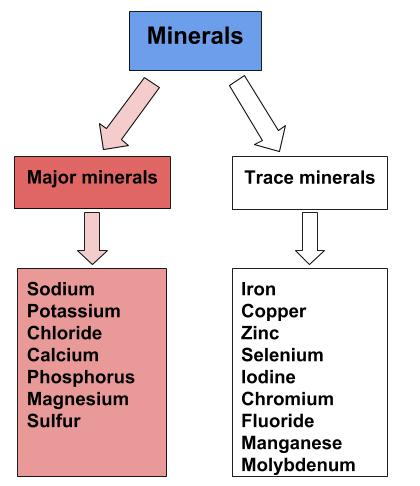
(b) Draw a flowchart showing classification of vitamins.
 Q.3. Suggest methods to improve quality of protein for a sports person.
 Q.3. Suggest methods to improve quality of protein for a sports person.
To improve the quality of protein for a sports person, it’s essential to focus on both the quantity and the sources of protein. Here are some methods to enhance the quality of protein intake for sports performance:
- Optimal Protein Intake: Determine the appropriate protein intake based on individual needs, activity level, and training goals. The general recommendation for athletes is to consume 1.2 to 2 grams of protein per kilogram of body weight per day, depending on the type and intensity of the sport.
- Choose Complete Protein Sources: Include high-quality protein sources in the diet. Complete proteins contain all essential amino acids that the body requires for muscle repair, growth, and recovery. Examples of complete protein sources include animal products such as lean meats, poultry, fish, eggs, and dairy products like milk, yogurt, and cheese. Plant-based complete protein sources include quinoa, soy products (tofu, tempeh), and buckwheat.
- Protein Timing: Distribute protein intake throughout the day to optimize muscle protein synthesis. Aim to have protein-rich foods or supplements within 30 minutes to 2 hours after exercise. This post-exercise window is when muscles are more receptive to protein absorption and utilization, promoting muscle recovery and growth.
- Protein Complementation: If following a vegetarian or vegan diet, combine plant-based protein sources to ensure the intake of all essential amino acids. Pairing foods like grains and legumes (e.g., rice and beans) or grains and nuts/seeds (e.g., whole grain bread with almond butter) can create a complete amino acid profile and improve protein quality.
- Protein Supplementation: Consider protein supplements if it is challenging to meet protein requirements through whole foods alone. Protein powders, such as whey, casein, or plant-based options like pea, rice, or hemp protein, can be consumed in shakes or added to meals to increase protein intake. Consult with a sports dietitian or healthcare professional to choose the most suitable protein supplement for individual needs.
- Pre- and Post-Workout Nutrition: Consume a balanced meal or snack containing carbohydrates and protein before workouts to provide energy and support muscle preservation. Post-workout, prioritize a protein-rich meal or snack to promote muscle repair and growth. Including a mix of fast-digesting protein sources (e.g., whey protein) and slower-digesting protein sources (e.g., casein, cottage cheese, Greek yogurt) can offer sustained protein release over time.
- Consider Leucine-Rich Foods: Leucine is an essential amino acid that plays a crucial role in stimulating muscle protein synthesis. Incorporate leucine-rich foods into meals or snacks, such as lean meats, dairy products, eggs, soy products, and legumes like lentils or chickpeas.
- Hydration: Stay properly hydrated to support optimal protein utilization. Water is essential for nutrient absorption, digestion, and overall performance. Adequate hydration also helps prevent muscle cramps and promotes recovery.
- Individualized Approach: Tailor protein intake and strategies to individual needs, preferences, and specific sports requirements. Factors such as body composition, training volume, intensity, and duration should be considered. Working with a sports dietitian can help create a personalized nutrition plan for optimal protein quality and overall performance.
Remember, while protein is important for sports performance, it’s also crucial to maintain a well-rounded diet that includes carbohydrates, healthy fats, and a variety of fruits and vegetables to provide comprehensive nutrition for overall health and well-being.
Q.4. Define the following terms (any five):
(a) Health
Health refers to a state of complete physical, mental, and social well-being, not merely the absence of disease or infirmity. It encompasses various aspects, including physical fitness, mental well-being, emotional resilience, social connections, and the ability to adapt to and cope with the challenges of daily life.
(b) Energy
Energy is the capacity to do work or the ability to exert force or power. In the context of the human body, energy refers to the fuel required to carry out physical and physiological activities. It is obtained from the food we consume and is essential for bodily functions, movement, metabolism, and overall vitality.
(c) Malnutrition
Malnutrition is a condition that arises from an inadequate or imbalanced intake of nutrients necessary for good health. It can result from insufficient food consumption, poor nutrient absorption, or an unbalanced diet lacking in essential vitamins, minerals, proteins, and carbohydrates. Malnutrition can lead to various health problems, including stunted growth, weakened immune system, weight loss, fatigue, and impaired physical and cognitive development.
(d) Polysaccharides
olysaccharides are complex carbohydrates made up of long chains of sugar molecules. They are composed of multiple monosaccharide units linked together. Examples of polysaccharides include starch, glycogen, and dietary fiber. Polysaccharides serve as an important source of energy, particularly in the form of stored glucose (glycogen) in the liver and muscles.
(e) Anaemia
Anaemia is a condition characterized by a deficiency of red blood cells or a low concentration of hemoglobin in the blood. Hemoglobin is responsible for carrying oxygen from the lungs to the body’s tissues. Anemia can result from various factors, including inadequate iron intake, vitamin B12 deficiency, folic acid deficiency, or chronic diseases. Symptoms of anemia may include fatigue, weakness, shortness of breath, pale skin, and decreased exercise tolerance.
(f) Cholesterol
Cholesterol is a waxy, fat-like substance found in the body and certain foods. It is essential for the production of hormones, vitamin D, and bile acids, which aid in fat digestion. While cholesterol is necessary for various physiological functions, excessive levels of LDL (low-density lipoprotein) cholesterol, often referred to as “bad” cholesterol, can contribute to the development of cardiovascular diseases.
(g) Beri-Beri
Beri-Beri is a nutritional disorder caused by a deficiency of thiamine (vitamin B1). It is commonly associated with diets that lack thiamine-rich foods, such as polished rice. Beri-Beri can affect the nervous system and cardiovascular system, leading to symptoms such as weakness, fatigue, loss of appetite, weight loss, muscle pain, confusion, and in severe cases, heart failure or neurological complications.
Q.5. Define carbohydrate and mention its function in our diet.
Carbohydrates are one of the three main macronutrients, along with proteins and fats, that provide energy to the body. They are organic compounds composed of carbon, hydrogen, and oxygen atoms, with a general chemical formula of (CH2O)n, where “n” represents the number of carbon atoms. Carbohydrates come in various forms, including simple sugars (monosaccharides and disaccharides) and complex carbohydrates (polysaccharides).
Here are the functions of carbohydrates in our diet:
- Energy Source: Carbohydrates are the primary source of energy for the body. When consumed, they are broken down into glucose, which is readily absorbed into the bloodstream. Glucose serves as the fuel for cells, providing energy for vital functions, physical activity, and mental processes. It is particularly important for high-intensity exercise.
- Fuel for the Brain: The brain depends heavily on glucose as its primary energy source. It requires a continuous supply of carbohydrates to maintain optimal cognitive function, memory, and focus. Adequate carbohydrate intake supports mental performance and helps prevent mental fatigue.
- Glycogen Storage: Excess glucose that is not immediately needed for energy is converted into glycogen and stored in the liver and muscles. Glycogen serves as a readily available source of glucose for the body when blood sugar levels drop, such as during periods of fasting or intense physical activity. It helps maintain blood glucose levels within a normal range.
- Muscle Function: Carbohydrates are vital for optimal muscle function. During exercise, carbohydrates provide the necessary energy for muscle contractions and support overall athletic performance. Carbohydrate availability also influences muscle recovery and helps prevent muscle protein breakdown.
- Fiber and Digestive Health: Carbohydrates include dietary fiber, which is indigestible by human enzymes. Fiber plays a crucial role in maintaining digestive health. It adds bulk to the diet, promotes regular bowel movements, and helps prevent constipation. Fiber also aids in weight management by providing a feeling of fullness and regulating appetite.
- Nutrient Absorption: Carbohydrates play a role in the absorption of certain nutrients. For example, dietary fibers, such as soluble fibers found in oats and legumes, can bind to cholesterol and help reduce its absorption, promoting heart health. Additionally, some carbohydrates enhance the absorption of minerals like calcium and magnesium.
- Taste, Texture, and Palatability: Carbohydrates contribute to the taste, texture, and palatability of food. They add sweetness, enhance flavors, and provide desirable textures in various culinary preparations. Carbohydrates also contribute to the sensory satisfaction of meals, making them enjoyable and promoting dietary adherence.
- Source of Essential Nutrients: Certain carbohydrate-rich foods are also sources of essential nutrients. For example, fruits and vegetables, which are rich in carbohydrates, provide a wide range of vitamins, minerals, antioxidants, and phytochemicals necessary for optimal health. Including a variety of carbohydrate-containing foods in the diet ensures a diverse nutrient intake.
- Sparing Protein: Adequate carbohydrate intake can spare protein from being used as an energy source. When carbohydrates are insufficient, the body may break down muscle tissue to obtain glucose. By consuming enough carbohydrates, protein can be preserved for its primary functions, such as tissue repair, enzyme production, and immune system support.
- Balanced Diet: Carbohydrates are an integral part of a balanced diet, alongside proteins, fats, vitamins, and minerals. A well-rounded diet that includes a variety of nutrient-dense carbohydrate sources supports overall nutritional balance and provides the necessary energy and nutrients for optimal health and well-being.
It’s important to note that the quality and quantity of carbohydrates in the diet play a significant role in their impact on health. Choosing whole grains, fruits, vegetables, and legumes as carbohydrate sources is generally more beneficial than consuming excessive amounts of refined carbohydrates or added sugars. Individual carbohydrate needs may vary based on factors such as age, sex, activity level, and overall health status. Consulting with a registered dietitian or healthcare professional can help determine appropriate carbohydrate intake for individual needs.
Q.6. Mention the food sources of following nutrients (any five):
(a) Vitamin B1
- Whole grains (such as brown rice, whole wheat, and oatmeal)
- Legumes (such as lentils, beans, and peas)
- Nuts and seeds (such as sunflower seeds and flaxseeds)
- Pork and pork products
- Fortified breakfast cereals
(b) Iron
- Red meat (such as beef, lamb, and liver)
- Poultry (such as chicken and turkey)
- Seafood (such as clams, oysters, and shrimp)
- Legumes (such as lentils, chickpeas, and soybeans)
- Leafy green vegetables (such as spinach and kale)
(c) Vitamin A
- Carrots
- Sweet potatoes
- Spinach and other leafy green vegetables
- Mangoes
- Apricots
- Eggs
- Liver (such as beef or chicken liver)
- Dairy products (such as milk and cheese)
(d) Vitamin K
- Leafy green vegetables (such as kale, spinach, and broccoli)
- Brussels sprouts
- Cabbage
- Parsley
- Green peas
- Natto (a fermented soybean product)
(e) Iodine
- Seafood (such as seaweed, fish, and shrimp)
- Iodized salt
- Dairy products (such as milk, cheese, and yogurt)
- Eggs
(f) Sodium
- Table salt (sodium chloride)
- Processed foods (such as canned soups, snacks, and condiments)
- Deli meats and cured meats
- Cheese
- Pickles and olives
(g) Vitamin C
- Citrus fruits (such as oranges, lemons, and grapefruits)
- Strawberries
- Kiwi fruit
- Bell peppers (especially red and green)
- Guava
- Papaya
- Broccoli
- Tomatoes
Q.7. Nutritive value of food gets reduced by certain faulty practices. Suggest procedures to improve nutritive value of foods.
To improve the nutritive value of foods and prevent nutrient loss, it is important to adopt proper cooking and food preparation techniques. Here are some procedures to enhance the nutritive value of foods:
- Minimize Cooking Time: Cook foods for the shortest time possible to preserve their nutrient content. Overcooking can lead to nutrient degradation. Steaming, stir-frying, or lightly sautéing vegetables and fruits can help retain more vitamins and minerals compared to prolonged boiling or high-heat cooking methods.
- Preserve Water-Soluble Vitamins: Water-soluble vitamins like vitamin C and B vitamins are prone to leaching into cooking water. To minimize nutrient loss, use minimal water when boiling or steaming vegetables and consider utilizing the cooking water in soups, sauces, or gravies to retain any dissolved nutrients.
- Opt for Raw or Lightly Cooked Foods: Consuming raw or lightly cooked foods, especially fruits and vegetables, can help retain their natural enzymes and heat-sensitive nutrients. Enjoying salads, fresh fruits, and smoothies can provide a range of vitamins, minerals, and antioxidants without the loss associated with cooking.
- Store and Handle Foods Properly: Improper storage and handling can contribute to nutrient loss. Store fruits and vegetables in a cool, dark place or the refrigerator to slow down the degradation of vitamins. Avoid washing produce until right before consumption to prevent nutrient loss through water exposure.
- Use Minimal Processing: Minimize the processing of foods to retain their natural nutrient content. Fresh, whole foods are generally more nutritious compared to processed or packaged foods that may undergo extensive processing, resulting in nutrient loss.
- Practice Gentle Cooking Methods: Choose cooking methods that require minimal oil or fat to reduce unnecessary calorie addition while preserving nutrient integrity. Baking, roasting, grilling, and steaming are generally better options than deep-frying or heavy pan-frying.
- Consume Nutrient-Rich Broths and Stocks: When cooking meats, poultry, or vegetables, save the nutrient-rich cooking liquids or broth for soups, stews, or gravies. These liquids contain water-soluble vitamins, minerals, and flavors that can enhance the overall nutritive value of dishes.
- Incorporate Food Combinations: Some nutrients are better absorbed when consumed with specific foods. For instance, pairing vitamin C-rich foods (e.g., citrus fruits) with iron-rich foods (e.g., leafy greens or legumes) can enhance iron absorption. Similarly, adding healthy fats (e.g., olive oil or avocado) to meals can aid in the absorption of fat-soluble vitamins.
- Consider Food Preservation Techniques: Explore methods like fermentation, pickling, or drying to preserve and enhance the nutritive value of foods. Fermented foods, such as yogurt, sauerkraut, or kimchi, can provide beneficial probiotics and increased nutrient bioavailability.
- Emphasize Whole Foods: Opt for whole, unprocessed foods whenever possible. Whole grains, fresh fruits and vegetables, lean proteins, and nuts and seeds provide a wide array of nutrients in their natural forms, helping to maximize the overall nutritive value of meals.
- Educate Yourself on Proper Nutrition: Stay informed about the nutrient content of different foods and their preparation methods. Understanding the impact of cooking techniques on nutrient retention can help you make informed choices and improve the overall nutritive value of your meals.
By implementing these procedures, you can help preserve the nutrient content of foods and maximize their nutritive value. Remember, maintaining a balanced and varied diet that includes a wide range of nutrient-rich foods is essential for optimal nutrition and overall health.
Q.8. Explain BMR as part of energy metabolism and the factors affecting them.
BMR, or Basal Metabolic Rate, is a key component of energy metabolism. It refers to the amount of energy (calories) that the body requires to sustain basic bodily functions at rest. These functions include maintaining body temperature, organ function, breathing, and circulation. BMR accounts for the majority of an individual’s daily energy expenditure, typically representing about 60-75% of total energy expenditure.
Factors Affecting BMR:
- Body Composition: Lean muscle mass has a higher metabolic rate compared to fat tissue. Individuals with a higher proportion of muscle mass generally have a higher BMR. This is because muscle tissue is more metabolically active and requires more energy for maintenance.
- Age: BMR tends to decrease with age. This is primarily due to the loss of muscle mass and a decrease in metabolic activity that occurs naturally as we age. Therefore, older individuals generally have a lower BMR compared to younger individuals.
- Gender: Men generally have a higher BMR than women. This difference is largely attributed to the fact that men typically have a higher proportion of muscle mass and lower percentage of body fat compared to women.
- Body Size: Larger individuals tend to have a higher BMR because they have a larger body mass to maintain. The more cells there are in the body, the more energy is required for their basic functions.
- Hormonal Factors: Certain hormonal factors can influence BMR. For example, thyroid hormones, particularly thyroxine (T4), play a significant role in regulating metabolic rate. Low levels of thyroid hormones can lead to a decreased BMR, while elevated levels can increase it.
- Genetics: Individual genetic factors can affect BMR. Some individuals may naturally have a higher or lower BMR due to genetic variations that influence metabolic rate.
- Climate and Environmental Factors: Extreme environmental conditions, such as exposure to very hot or cold temperatures, can increase BMR. The body expends additional energy to maintain body temperature within a normal range.
- Diet and Physical Activity: Caloric intake and physical activity levels can influence BMR. Very low-calorie diets can cause a decrease in BMR as the body tries to conserve energy. On the other hand, regular exercise and physical activity can increase BMR temporarily and lead to long-term increases through the development of muscle mass.
It is important to note that BMR is just one component of energy expenditure, and it does not account for the calories expended through physical activity and the thermic effect of food. Total daily energy expenditure is the sum of BMR, physical activity energy expenditure, and the energy required for digestion and absorption of food. Calculating an individual’s BMR can be done using various equations, such as the Harris-Benedict equation or the Mifflin-St. Jeor equation, which take into account factors like age, gender, weight, and height. These equations provide estimates and can be useful for determining daily caloric needs.
Understanding BMR and the factors influencing it can help individuals make informed decisions about their dietary intake, physical activity levels, and weight management goals. It is important to consult with healthcare professionals or registered dietitians for personalized guidance regarding energy needs and metabolic rate.
Q.9. Differentiate between the following (any five):
(a) Unsaturated fat and saturated fat.
| Unsaturated Fat | Saturated Fat |
|---|---|
| Mostly derived from plant sources | Mostly derived from animal sources |
| Liquid at room temperature | Solid at room temperature |
| Examples: olive oil, avocado, nuts | Examples: butter, lard, fatty meats |
| Healthier for the heart | Linked to increased cholesterol levels and heart disease |
| Generally considered “good fats” | Generally considered “bad fats” |
(b) Insoluble fibre and soluble fibre.
| Insoluble Fiber | Soluble Fiber |
|---|---|
| Does not dissolve in water | Dissolves in water |
| Adds bulk to stool, promoting bowel regularity | Forms a gel-like substance, helping to regulate blood sugar and lower cholesterol |
| Found in whole grains, nuts, and seeds | Found in fruits, vegetables, and legumes |
| Helps prevent constipation and promote digestive health | Can help manage diabetes and improve heart health |
| Does not provide significant calories | Does not provide significant calories |
(c) Visible fat and hidden fat.
| Visible Fat | Hidden Fat |
|---|---|
| Easily seen in food | Not immediately apparent |
| Examples: butter, oil, fatty cuts of meat | Examples: processed snacks, baked goods, fried foods |
| Can be easily controlled during cooking | Often added during food processing or preparation |
| Provides flavor and texture to food | Adds calories and can contribute to weight gain |
| Can be removed or reduced in recipes | Requires careful reading of food labels |
(d) Night blindness and rickets.
| Night Blindness | Rickets |
|---|---|
| Poor vision in low light conditions | Softening and weakening of bones in children |
| Caused by vitamin A deficiency | Caused by vitamin D and calcium deficiency |
| Symptoms include difficulty seeing in dim light | Symptoms include bone pain, muscle weakness, and deformities |
| Can be prevented or treated with vitamin A-rich foods | Can be prevented or treated with vitamin D and calcium-rich foods |
| Common in areas with limited access to vitamin A sources | Common in areas with limited sunlight or poor nutrition |
(e) Water soluble vitamin and fat soluble vitamin.
| Water-Soluble Vitamin | Fat-Soluble Vitamin |
|---|---|
| Dissolve in water and easily excreted | Dissolve in fat and stored in the body |
| Include vitamin C and B-complex vitamins | Include vitamins A, D, E, and K |
| Not stored in the body for long periods | Can accumulate in body fat |
| Excessive intake is usually excreted | Excessive intake can lead to toxicity |
| Found in a wide range of fruits and vegetables | Found in foods like fatty fish, dairy products, and nuts |
(f) Body building foods and protective food.
| Body Building Foods | Protective Foods |
|---|---|
| Provide nutrients for muscle growth and repair | Contain antioxidants and phytochemicals for overall health |
| Examples: lean meats, fish, eggs, beans, dairy products | Examples: fruits, vegetables, whole grains, nuts, seeds |
| High in protein, essential amino acids, and minerals | High in vitamins, fiber, and antioxidants |
| Support muscle development and strength | Boost the immune system and protect against diseases |
| Commonly consumed by athletes and fitness enthusiasts | Promote general well-being and disease prevention |
(g) Sprouting and fermentation.
| Sprouting | Fermentation |
|---|---|
| Process of germinating seeds or legumes | Process of breaking down carbohydrates or sugars |
| Enhances the nutritional profile of foods | Converts sugars into alcohol or organic acids |
| Increases the availability of nutrients | Enhances flavor and extends shelf life |
| Common examples: sprouted grains, sprouted beans, sprouted seeds | Common examples: yogurt, sauerkraut, kimchi |
| Requires adequate moisture and warmth | Requires specific microorganisms (bacteria or yeast) |
| Can be done at home with minimal equipment | Can be a natural or controlled process |
Q.10. Match the following:
(a) Nutrient |
(i) Linolenic Acid |
(b) Insoluble fibre |
(ii) 9 Kcal/g |
(c) Harmone |
(iii) Vit A |
(d) Building Block of protein |
(iv) Carrot |
(e) Cholesterol |
(v) Protein |
(f) Essential Fatty Acid |
(vi) 4 Kcal/g |
(g) Ascorbic acid |
(vii) Osteoporosis |
(h) Calcium |
(viii) Cellulose |
(i) Iodine |
(ix) amla |
(j) Fat |
(x) Insulin |
(xi) Amino acid |
|
(xii) Animal foods |
|
(xiii) Goitre |
| Term | Matching Option |
|---|---|
(a) Nutrient |
(v) Protein |
(b) Insoluble fibre |
(viii) Cellulose |
(c) Hormone |
(x) Insulin |
(d) Building Block of protein |
(xi) Amino acid |
(e) Cholesterol |
(xii) Animal foods |
(f) Essential Fatty Acid |
(i) Linolenic Acid |
(g) Ascorbic acid |
(ix) Amla |
(h) Calcium |
(vii) Osteoporosis |
(i) Iodine |
(xiii) Goitre |
(j) Fat |
(vi) 9 Kcal/g |
(k) Vitamin A |
(iii) Vit A |
(l) Vitamin C |
(vii) Ascorbic acid |