
Table of Contents
Q.1. Draw the hierarchy of F&B brigade of a five star hotel.

Q.2. Briefly explain the ancillary departments of food and beverage department.
The food and beverage department of a hotel or restaurant is responsible for providing high-quality food and drinks to customers. However, there are several ancillary departments that work in conjunction with the food and beverage department to ensure that the entire operation runs smoothly. In this answer, I will explain these ancillary departments and their roles in supporting the food and beverage department.
- Kitchen The kitchen is the central hub of the food and beverage department, where all the food is prepared. The kitchen staff work closely with the chefs to ensure that the food is of the highest quality, and that it is prepared and presented in a timely and efficient manner. The kitchen is also responsible for maintaining cleanliness and hygiene standards in the food preparation areas.
- Stewarding The stewarding department is responsible for cleaning and maintaining all the dishes, glasses, and cutlery used in the food and beverage department. This includes dishwashing, polishing, and storage of these items. The stewarding department also ensures that the kitchen and service areas are kept clean and tidy.
- Bar The bar is responsible for preparing and serving alcoholic and non-alcoholic beverages to customers. The bar staff work closely with the food and beverage department to ensure that the drinks are served in a timely and efficient manner, and that they complement the food being served.
- Room Service The room service department is responsible for delivering food and drinks to customers in their rooms. This includes taking orders, preparing the food, and delivering it to the customer’s room. The room service department works closely with the kitchen and service staff to ensure that the food and drinks are of the highest quality and are delivered in a timely manner.
- Sales and Marketing The sales and marketing department is responsible for promoting the food and beverage department to potential customers. This includes creating marketing materials, such as brochures and menus, and organizing promotional events. The sales and marketing department also works closely with the food and beverage department to develop new menus and promotions.
- Purchasing The purchasing department is responsible for sourcing and purchasing all the food and beverage products used by the food and beverage department. This includes negotiating prices with suppliers, ensuring that the products meet quality standards, and managing inventory levels.
- Human Resources The human resources department is responsible for managing the staff employed by the food and beverage department. This includes recruiting and training new staff, managing payroll and benefits, and ensuring that the staff are motivated and productive.
- Engineering The engineering department is responsible for maintaining the physical infrastructure of the food and beverage department. This includes ensuring that the electrical, plumbing, and ventilation systems are functioning properly, and that all equipment is well-maintained.
In summary, the ancillary departments of the food and beverage department play a crucial role in ensuring that the operation runs smoothly and efficiently. These departments work together to ensure that the food is of the highest quality, the service is prompt and professional, and the customers are satisfied with their experience.
OR
Give the classification of catering establishment.
Catering establishments are businesses that provide food and beverage services to customers. They can range from small cafes to large banquet halls and everything in between. In this answer, I will provide a classification of catering establishments based on their size, location, and type of service.
Size
a. Small-scale catering establishments – These are typically small businesses that offer catering services to a limited number of customers. Examples include food trucks, street vendors, and small cafes.
b. Medium-scale catering establishments – These are businesses that offer catering services to a larger number of customers, typically up to a few hundred people. Examples include restaurants, cafes, and bistros.
c. Large-scale catering establishments – These are businesses that cater to a large number of people, typically in the hundreds or thousands. Examples include banquet halls, convention centers, and catering companies.
Location
a. On-premises catering establishments – These are catering establishments that are located within a fixed location and offer their services on the premises. Examples include restaurants, cafes, and banquet halls.
b. Off-premises catering establishments – These are catering establishments that provide their services at a location chosen by the customer. Examples include catering companies that provide food and beverage services for weddings and corporate events.
Type of Service
a. Full-service catering establishments – These are catering establishments that provide a complete range of food and beverage services to customers. This includes food preparation, service, and cleanup. Examples include restaurants, cafes, and banquet halls.
b. Limited-service catering establishments – These are catering establishments that provide a limited range of food and beverage services to customers. This may include only food preparation or only service. Examples include food trucks and street vendors.
c. Self-service catering establishments – These are catering establishments that allow customers to serve themselves. Examples include buffets and cafeterias.
Specialization
a. Wedding catering establishments – These are catering establishments that specialize in providing food and beverage services for weddings. They often offer a range of menu options and can provide additional services such as decor and entertainment.
b. Corporate catering establishments – These are catering establishments that specialize in providing food and beverage services for corporate events such as conferences and meetings. They often offer a range of menu options and can provide additional services such as audio-visual equipment and seating arrangements.
c. Event catering establishments – These are catering establishments that specialize in providing food and beverage services for special events such as birthdays, anniversaries, and holiday parties. They often offer a range of menu options and can provide additional services such as decor and entertainment.
In summary, catering establishments can be classified based on their size, location, type of service, and specialization. Understanding these classifications can help customers and business owners choose the right catering establishment for their needs.
Q.3. Describe the various sections of Food & Beverage department in hotels.
The food and beverage department is an essential part of any hotel, as it is responsible for providing food and beverage services to guests. The department can be divided into several sections, each with its own unique responsibilities. In this answer, I will describe the various sections of the food and beverage department in hotels.
Kitchen Section
The kitchen section is responsible for preparing and cooking all food served in the hotel. This section is typically divided into several sub-sections, including:
a. Cold Kitchen – responsible for preparing cold dishes such as salads, sandwiches, and appetizers.
b. Hot Kitchen – responsible for preparing hot dishes such as main courses and side dishes.
c. Pastry and Bakery – responsible for preparing desserts, bread, and pastries.
d. Butchery – responsible for preparing meat dishes and cuts.
Service Section
The service section is responsible for serving food and beverage to guests in the hotel. This section is typically divided into several sub-sections, including:
a. Restaurant – responsible for serving meals to guests in a formal dining setting.
b. Room Service – responsible for delivering food and beverage to guests’ rooms.
c. Bar – responsible for serving alcoholic and non-alcoholic beverages to guests.
d. Banquet Service – responsible for serving food and beverage at events such as weddings and conferences.
Stewarding Section
The stewarding section is responsible for cleaning and maintaining all food and beverage equipment, including dishes, glasses, silverware, and kitchen equipment. This section is typically divided into several sub-sections, including:
a. Dishwashing – responsible for cleaning dishes, glasses, and silverware.
b. Kitchen Cleaning – responsible for cleaning kitchen equipment and surfaces.
c. Beverage Cleaning – responsible for cleaning bar equipment and surfaces.
Purchasing Section
The purchasing section is responsible for procuring all food and beverage items needed by the hotel. This section is typically divided into several sub-sections, including:
a. Food Purchasing – responsible for procuring all food items needed by the hotel.
b. Beverage Purchasing – responsible for procuring all beverage items needed by the hotel.
c. Storeroom – responsible for storing and distributing food and beverage items to the various sections of the food and beverage department.
Administration Section
The administration section is responsible for managing the various sections of the food and beverage department. This section is typically divided into several sub-sections, including:
a. Food and Beverage Manager – responsible for overseeing the entire food and beverage department.
b. Assistant Food and Beverage Manager – responsible for assisting the food and beverage manager in managing the department.
c. Sales and Marketing – responsible for promoting food and beverage services to guests and coordinating events.
In summary, the food and beverage department in hotels can be divided into several sections, including the kitchen section, service section, stewarding section, purchasing section, and administration section. Each section plays a crucial role in ensuring that guests receive high-quality food and beverage services during their stay at the hotel.
Q.4. Explain in details about the attributes of a good waiter.
Being a good waiter is more than just serving food and beverages to customers. It requires a combination of skills and attributes that contribute to a positive dining experience for customers. In this answer, I will describe the attributes of a good waiter in detail.
- Excellent Communication Skills: Good waiters have excellent communication skills, which enable them to interact with customers in a friendly and professional manner. They are able to listen attentively to customers’ needs and provide accurate information about the menu items and any special requests.
- Positive Attitude: A good waiter has a positive attitude towards their work, which is reflected in their interactions with customers. They have a cheerful disposition, which helps to create a warm and welcoming atmosphere in the restaurant.
- Attention to Detail: Attention to detail is an important attribute for a good waiter. They are able to take note of customers’ preferences and make recommendations based on their likes and dislikes. They also pay attention to small details, such as ensuring that the table settings are clean and properly arranged.
- Knowledge of Menu and Food Preparation: A good waiter has a good knowledge of the menu and food preparation, including the ingredients and cooking methods used. They are able to answer any questions that customers may have about the menu and make recommendations based on their preferences.
- Ability to Multitask: Good waiters are able to multitask efficiently, which is an important skill in a busy restaurant. They are able to take orders, serve food, refill drinks, and clear tables all at the same time while ensuring that customers are satisfied with their service.
- Time Management Skills: Time management is an important attribute for a good waiter. They are able to manage their time effectively, ensuring that orders are taken and served in a timely manner. They are also able to prioritize tasks, such as ensuring that the needs of the most demanding customers are met.
- Team Player: A good waiter is a team player, working together with other staff members to ensure that customers receive excellent service. They are able to communicate effectively with the kitchen and bar staff, ensuring that orders are prepared and served promptly.
- Patience: Patience is a key attribute for a good waiter, especially when dealing with difficult customers or complex orders. They are able to remain calm and composed under pressure, ensuring that customers feel comfortable and satisfied with their service.
- Professional Appearance: A good waiter always maintains a professional appearance, which includes wearing a clean and well-pressed uniform and maintaining good personal hygiene. This contributes to a positive first impression and creates a professional atmosphere in the restaurant.
- Adaptability: Finally, a good waiter is adaptable, able to adjust to changing circumstances and unexpected situations. They are able to think on their feet and provide creative solutions to problems that may arise during service.
In summary, a good waiter possesses excellent communication skills, a positive attitude, attention to detail, knowledge of the menu and food preparation, the ability to multitask, time management skills, is a team player, patient, maintains a professional appearance, and is adaptable. These attributes contribute to a positive dining experience for customers and ensure that they return to the restaurant again and again.
OR
Explain the various duties and responsibilities of Food & Beverage Manager in a hotel.
The Food & Beverage Manager (F&B Manager) is responsible for overseeing the food and beverage operations in a hotel. They are responsible for ensuring that the restaurant and bar operations are profitable, meet customer needs and expectations, and comply with all relevant health and safety regulations. In this answer, I will describe the various duties and responsibilities of an F&B Manager in points.
- Menu Planning and Development: The F&B Manager is responsible for menu planning and development, which involves creating menus that meet the needs of customers and are profitable for the hotel. They work with the executive chef and other staff members to develop menus that reflect current culinary trends and customer preferences.
- Food and Beverage Cost Control: The F&B Manager is responsible for controlling food and beverage costs by monitoring inventory levels, ensuring that food and beverage items are ordered in a timely and efficient manner, and controlling portion sizes. They also develop pricing strategies that ensure profitability while remaining competitive with other restaurants in the area.
- Staff Management: The F&B Manager is responsible for managing staff, which includes hiring, training, and scheduling employees. They also provide ongoing training and development opportunities to ensure that staff members have the skills and knowledge necessary to provide excellent service.
- Health and Safety Compliance: The F&B Manager is responsible for ensuring that all food and beverage operations comply with relevant health and safety regulations. They work with staff members to implement and maintain proper sanitation practices, as well as ensuring that all equipment and facilities are well-maintained and in compliance with safety standards.
- Customer Service: The F&B Manager is responsible for ensuring that customers receive excellent service at all times. They work with staff members to ensure that customers are greeted promptly, orders are taken accurately, and food and beverage items are served in a timely and efficient manner.
- Sales and Marketing: The F&B Manager is responsible for developing sales and marketing strategies to attract new customers and retain existing ones. They work with the hotel’s marketing department to develop promotional materials and special offers that promote the hotel’s food and beverage offerings.
- Financial Reporting and Analysis: The F&B Manager is responsible for preparing financial reports and conducting analysis to identify areas where the restaurant and bar operations can be improved. They work with other hotel departments, such as accounting and finance, to ensure that all financial reporting is accurate and timely.
- Inventory Management: The F&B Manager is responsible for managing inventory levels, which includes ordering food and beverage items and ensuring that they are stored and rotated properly. They also conduct regular inventory audits to identify any discrepancies and ensure that all inventory is accounted for.
- Event Management: The F&B Manager is responsible for managing and coordinating special events, such as banquets, conferences, and weddings. They work with event planners to ensure that all food and beverage requirements are met and that the event runs smoothly.
- Continuous Improvement: The F&B Manager is responsible for continuously improving the hotel’s food and beverage operations. They stay up-to-date with current culinary trends and customer preferences, and work with staff members to develop new menus and offerings that meet these changing needs.
In summary, the F&B Manager is responsible for a wide range of duties and responsibilities, including menu planning and development, food and beverage cost control, staff management, health and safety compliance, customer service, sales and marketing, financial reporting and analysis, inventory management, event management, and continuous improvement. By successfully managing these responsibilities, the F&B Manager contributes to the success of the hotel’s food and beverage operations and helps ensure customer satisfaction and profitability.
Q.5. Explain the following (any two):
(a) Dispense bar
A dispense bar is a type of bar that primarily serves beer, wine, and other non-alcoholic beverages. Unlike a traditional bar, a dispense bar does not typically serve mixed drinks or cocktails. Instead, customers order their drinks directly from the bar staff, who dispense them from a tap or bottle. Dispense bars are often found in hotels and other hospitality establishments, as well as at large events such as concerts and festivals.
(b) Still room
A still room is a room in a hotel or restaurant that is used for the preparation of non-alcoholic beverages, such as tea, coffee, and other hot beverages. Still rooms are typically located in close proximity to the dining room or restaurant, and may also be used for the preparation of sauces, dressings, and other food items. In addition to preparing beverages and food items, still rooms may also be used for storing and organizing supplies, such as tea, coffee, sugar, and other condiments.
(c) Food pick up area
A food pick-up area is a designated area in a restaurant or hotel where customers can retrieve their food orders. Typically, customers place their orders at a counter or with a server, and then proceed to the pick-up area to collect their food. The food pick-up area may be located near the kitchen or in a separate area of the restaurant, depending on the layout of the establishment. In some cases, food pick-up areas may also include self-serve stations, where customers can select their own food items from a buffet or other display. Food pick-up areas are an important component of a restaurant or hotel’s service model, as they help ensure that orders are delivered promptly and efficiently.
Q.6. Classify Non-alcoholic beverages. Briefly explain different speciality tea found around the world.
Classification of Non-alcoholic Beverages:
Non-alcoholic beverages can be classified into several categories based on their ingredients, preparation methods, and serving styles. Here are some common categories:
- Carbonated Beverages: These are beverages that contain carbon dioxide, which creates bubbles and a fizzing sensation. Examples include soda, tonic water, and sparkling water.
- Fruit Juices and Nectars: These are beverages made from the juice or pulp of fruits. They may be sweetened or unsweetened and may be served plain or mixed with other ingredients. Examples include orange juice, apple juice, and grapefruit juice.
- Smoothies and Shakes: These are beverages made from a combination of fruits, vegetables, and other ingredients. They are typically blended to create a thick and creamy texture. Examples include banana smoothies, chocolate shakes, and green smoothies.
- Tea and Coffee: These are popular hot beverages that are made from brewed leaves or beans. They may be served plain or with milk, sugar, or other flavorings. Examples include black tea, green tea, and espresso.
- Milk and Dairy-Based Beverages: These are beverages made from milk or dairy products. They may be served plain or flavored, hot or cold. Examples include milk, yogurt drinks, and lassi.
- Energy Drinks: These are beverages that are designed to provide a burst of energy. They typically contain caffeine, sugar, and other stimulants. Examples include Red Bull and Monster.
Speciality Teas Found Around the World:
Tea is a popular non-alcoholic beverage that is enjoyed in many cultures around the world. There are many different varieties of tea, each with its own unique flavor profile and preparation method. Here are some speciality teas found around the world:
- Matcha: Matcha is a Japanese green tea that is made from finely ground tea leaves. It has a vibrant green color and a rich, earthy flavor. Matcha is often used in Japanese tea ceremonies and is also popular in lattes and other drinks.
- Masala Chai: Masala chai is a spicy tea that is popular in India and other parts of South Asia. It is made from a blend of black tea, spices (such as cinnamon, cardamom, and ginger), and milk. Masala chai is typically brewed with water and then simmered with the other ingredients to create a flavorful and aromatic beverage.
- Earl Grey: Earl Grey is a black tea that is flavored with oil of bergamot, which gives it a distinctive citrus flavor. It is named after Charles Grey, the British Prime Minister who is said to have received the recipe as a gift from a Chinese mandarin.
- Moroccan Mint Tea: Moroccan mint tea is a green tea that is flavored with fresh mint leaves and sugar. It is typically served hot and is an important part of Moroccan hospitality and culture.
- Bubble Tea: Bubble tea, also known as boba tea, is a Taiwanese tea-based drink that is typically served with tapioca pearls. The pearls are chewy and add a unique texture to the drink. Bubble tea can be made with a variety of tea flavors and is often sweetened with sugar or honey.
- Rooibos: Rooibos is a South African herbal tea that is made from the leaves of the rooibos plant. It has a sweet and slightly nutty flavor and is often served plain or with milk and sugar. Rooibos is also popular as an ingredient in tea blends and is often used as a caffeine-free alternative to black tea.
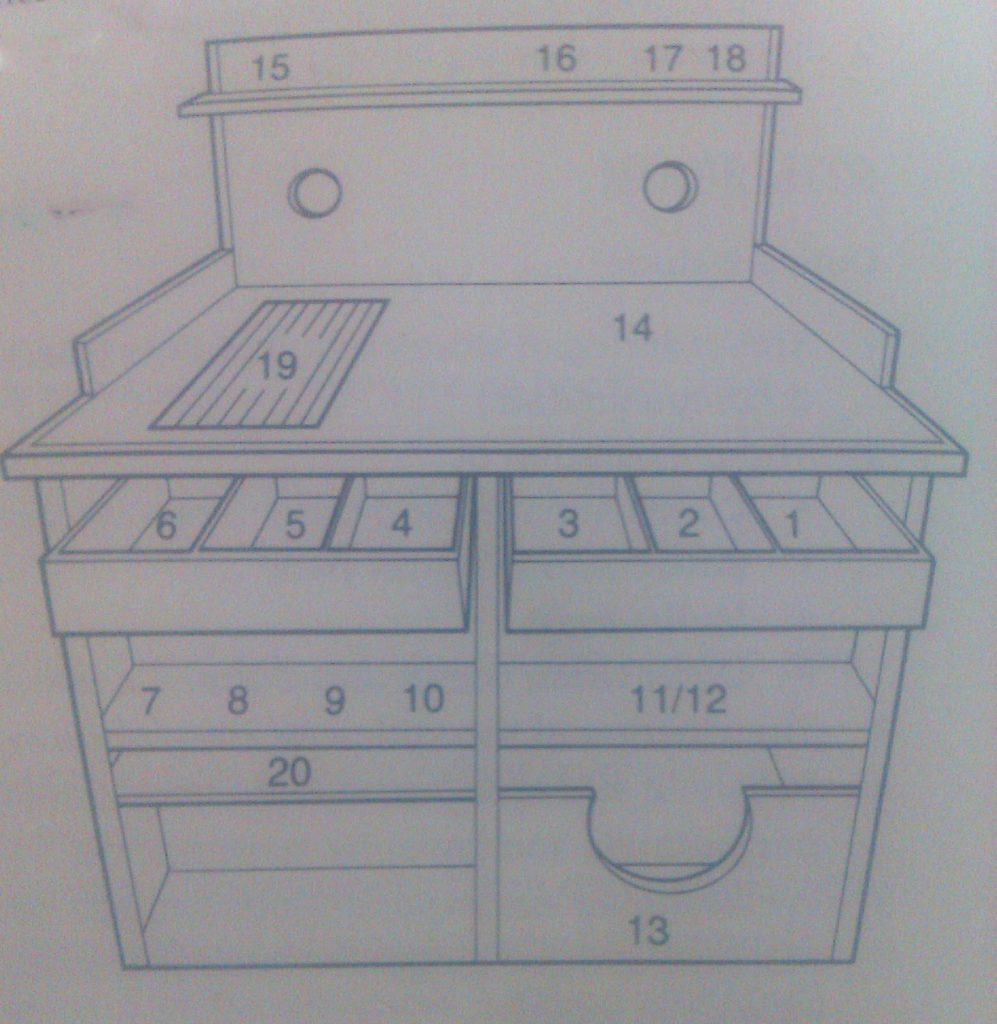
Q.7. Draw a dummy waiter and list items to be stored in a side station.
The style and design of a sideboard varies from establishment to establishment and is dependent upon:
- the style of service and the food and beverage on offer
- the number of service staff working from on sideboard
- the number of tables to be served from on sideboard
- the amount of equipment it is expected to hold.
It is essential that the sideboard is of minimum size and portable so that it may be esasily moved if necessary. If the sideboard is too large for its purpose it is then taking up spacee which could be used to seat more customers. The top should be of a heat resistant material which can be easily washed down.
If a hotplate is to be used then it should be inserted in the top so it is level with the working top. After service the sideboard is either completely emptied out or restocked for the next service. The material used in the makeup of the sideboard should blend with the rest of the decor and theme.
1) service spoon and forks
2) sweet spoons and forks
3) soup spoons, tea spoons, coffee spoons
4) fish knives and forks
5) joint knives
6) side knives
7) fish plates
8) side plates
9) half plates
10) coffee saucers
11) full plates
12) salvers
13) dirty linen
14) check pads
15) assorted condiments
16) ashtrays
17) water jugs
18) bread basket and butter
19) hotplate
20) trays
OR
Explain the different methods that are used for silver cleaning.
Silver is a precious metal that is often used in jewelry, silverware, and other decorative items. Over time, silver can become tarnished and lose its luster. There are several methods that can be used to clean and restore silver to its original shine. Here are some common methods:
- Polishing Cloth: One of the simplest methods for cleaning silver is to use a polishing cloth. These cloths are made from soft, non-abrasive materials and are designed to gently remove tarnish and restore shine. Simply rub the silver with the cloth until it shines.
- Baking Soda and Aluminum Foil: This method involves creating a chemical reaction between baking soda, aluminum foil, and hot water. Line a pan with aluminum foil and add hot water and baking soda. Place the tarnished silver in the solution and let it soak for a few minutes. Rinse the silver with water and dry with a soft cloth.
- Vinegar and Baking Soda: This method involves creating a paste with vinegar and baking soda. Mix the two ingredients to form a paste and apply it to the tarnished silver. Let the paste sit for a few minutes and then rinse the silver with water and dry with a soft cloth.
- Toothpaste: Toothpaste can be used to clean silver by applying a small amount of toothpaste to a soft cloth and rubbing it onto the tarnished silver. Rinse the silver with water and dry with a soft cloth.
- Lemon Juice and Salt: This method involves creating a mixture of lemon juice and salt. Dip a soft cloth in the mixture and rub it onto the tarnished silver. Rinse the silver with water and dry with a soft cloth.
- Commercial Silver Cleaner: There are many commercial silver cleaners available on the market. These cleaners typically contain a combination of chemicals that are designed to remove tarnish and restore shine. Follow the instructions on the label to use the cleaner safely and effectively.
It is important to note that while these methods can be effective for cleaning silver, they may not be suitable for all types of silver or all types of tarnish. Some methods may be too abrasive for delicate silver, while others may not be strong enough to remove heavy tarnish. It is also important to use caution when cleaning silver to avoid damaging or scratching the surface.
Q.8. Explain the following terms (any five):
(a) QSR
QSR stands for Quick Service Restaurant. These are fast-food restaurants that offer quick service and affordable prices. Examples of QSR chains include McDonald’s, Burger King, and KFC.
(b) Grill room
A grill room is a restaurant that specializes in grilled meats and seafood. The centerpiece of a grill room is typically a large grill where chefs cook and prepare food in front of guests. Grill rooms often have a casual and relaxed atmosphere.
(c) EPNS
EPNS stands for Electroplated Nickel Silver. This is a type of silver-plated metal that is commonly used for silverware and other decorative items. EPNS is made by electroplating a thin layer of silver onto a base metal such as nickel or brass.
(d) Syrup
Syrup is a sweet, thick liquid that is used as a topping or flavoring for food and drinks. Syrups can be made from a variety of ingredients including sugar, honey, fruits, and herbs. Some common types of syrups include maple syrup, chocolate syrup, and fruit syrups.
(e) Turkish coffee
Turkish coffee is a traditional method of preparing and serving coffee that originated in Turkey. The coffee is made by boiling finely ground coffee beans with water and sugar in a small pot called a cezve. The coffee is then poured into small cups and served with a glass of water.
(f) Kiosks
A kiosk is a small, freestanding structure that is used for selling goods or services. Kiosks are typically found in public places such as malls, airports, and train stations. They are often used for selling food, drinks, newspapers, and other convenience items.
(g) Barbeque
Barbeque, or BBQ, is a cooking method that involves slow-cooking meat over low heat for several hours. The meat is typically seasoned with a dry rub or marinade and cooked over wood or charcoal. Barbeque is a popular cuisine in many parts of the world, particularly in the Southern United States.
(h) Spencer’s
Spencer’s is a retail chain that specializes in novelty gifts, clothing, and accessories. The chain is known for its edgy and irreverent products, including items with adult humor and political satire. Spencer’s has over 600 stores in the United States and Canada.
Q.9. Write the French equivalents of any ten:
(a) Water – Eau
(b) Glass – Verre
(c) Spoon – Cuillère
(d) Fork – Fourchette
(e) Knife – Couteau
(f) Plate – Assiette
(g) Cup – Tasse
(h) Head waiter – Chef de rang
(i) Table cloth – Nappe
(j) Restaurant Manager – Directeur de restaurant
(k) Captain – Maître d’hôtel
(l) Tea – Thé
(m) Coffee – Café
Q.10. Write short notes on any two:
(a) Welfare catering
Welfare catering refers to the provision of food services in organizations for the benefit of employees, students, or members. The objective of welfare catering is to provide healthy and nutritious meals to individuals in the workplace or educational institutions. Welfare catering may include services such as employee cafeterias, vending machines, or catering for events and meetings. The meals provided are often subsidized or free of charge to encourage individuals to make healthy eating choices.
(b) Vending machines
Vending machines are automated machines that dispense a variety of products, such as snacks, drinks, and other items. Vending machines have become a popular way for businesses to provide easy access to food and beverage products. They are often found in public places such as schools, airports, and train stations. Vending machines can be either refrigerated or non-refrigerated and can be operated using cash or a credit card.
(c) Railway catering in 21st century
Railway catering in the 21st century has undergone significant changes with the introduction of modern technology and changing consumer preferences. In the past, railway catering was limited to basic food items such as sandwiches, chips, and drinks. However, with the advent of technology, railway catering has expanded to include a wide range of food and beverage options, including gourmet meals and specialty drinks. Many railway companies now offer online ordering systems and mobile applications, allowing passengers to order their meals in advance and have them delivered to their seats. In addition, railway catering now focuses on providing healthier and more sustainable food options to cater to changing consumer preferences. This includes offering vegetarian and vegan options, as well as sourcing ingredients from local and organic farms.