
Table of Contents
Q.1. Classify and explain soups with examples.
Soups are a type of dish that has been a part of human cuisine for centuries. They are usually made by combining various ingredients, such as vegetables, meat, or grains, with a liquid base, like water or broth. Soups can be classified in many ways, depending on their ingredients, consistency, or method of preparation. In this article, we will classify soups according to their ingredients and provide examples of each type.
Clear soups
Clear soups are soups that have a clear, transparent appearance because they are made by simmering meat, fish, or vegetables in water or broth, which is then strained to remove the solids. Examples of clear soups include:
- Chicken noodle soup: made with chicken, vegetables, and egg noodles in a chicken broth.
- Beef consommé: a rich, clear soup made with beef, vegetables, and herbs, clarified with egg whites and beef bones.
- Miso soup: a Japanese soup made with miso paste, tofu, seaweed, and green onions in a dashi broth.
Cream soups
Cream soups are soups that are thickened with cream or milk, giving them a rich, smooth texture. They can be made with a variety of vegetables or meat. Examples of cream soups include:
- Tomato soup: a classic soup made with tomatoes, onions, and garlic, blended with cream or milk.
- Mushroom soup: a hearty soup made with mushrooms, onions, and garlic, blended with cream or milk.
- Clam chowder: a creamy soup made with clams, potatoes, onions, and bacon.
Broth-based soups
Broth-based soups are soups that are made by simmering meat, fish, or vegetables in a broth made from meat or fish bones. They are usually lighter and more flavorful than cream soups. Examples of broth-based soups include:
- Minestrone soup: a vegetable soup made with beans, tomatoes, pasta, and vegetables in a chicken or vegetable broth.
- Pho: a Vietnamese soup made with rice noodles, beef or chicken, and herbs in a beef or chicken broth.
- Chicken tortilla soup: a spicy soup made with chicken, vegetables, and tortilla strips in a chicken broth.
Vegetable soups
Vegetable soups are soups that are made primarily with vegetables and can be either clear or cream-based. Examples of vegetable soups include:
- Gazpacho: a cold soup made with tomatoes, cucumbers, peppers, and onions.
- Carrot soup: a sweet soup made with carrots, onions, and ginger, blended with cream or milk.
- Lentil soup: a hearty soup made with lentils, carrots, onions, and celery in a vegetable broth.
Meat-based soups
Meat-based soups are soups that are made with meat as the primary ingredient. They can be either clear or broth-based. Examples of meat-based soups include:
- Beef stew: a hearty soup made with beef, vegetables, and potatoes in a beef broth.
- Goulash: a Hungarian soup made with beef, paprika, onions, and potatoes in a beef broth.
- Italian wedding soup: a meatball soup made with chicken or beef meatballs, vegetables, and pasta in a chicken broth.
Seafood soups
Seafood soups are soups that are made with seafood as the primary ingredient. They can be either clear or broth-based. Examples of seafood soups include:
- Bouillabaisse: a French fish soup made with a variety of fish and shellfish, tomatoes, and herbs in a fish broth.
- Cioppino: an Italian-American seafood soup made with a variety of fish and shell
Q.2. (a) Define stock.
Stock is a flavorful liquid that forms the base of many dishes, including soups, sauces, and stews. It is made by simmering bones, meat, vegetables, and aromatics in water for an extended period, which extracts the collagen, marrow, and flavors from the ingredients, resulting in a rich, savory liquid. Stocks can be made with various types of bones, such as chicken, beef, pork, or fish, and can be either white or brown, depending on the ingredients used.
(b) Explain the care and precaution to be taken during the preparation of stock.
The preparation of stock requires careful attention to detail and hygiene to ensure the final product is safe and flavorful. Here are some precautions to take when making stock:
- Choose high-quality ingredients: The quality of the bones, meat, and vegetables used in the stock will determine the flavor and quality of the final product. Choose bones that are fresh, meaty, and have plenty of collagen and marrow. Use fresh vegetables that are in season and free from any signs of spoilage.
- Wash and chop the vegetables: Rinse the vegetables thoroughly under cold running water to remove any dirt or debris. Chop them into small pieces to ensure they release their flavors and nutrients into the stock.
- Brown the bones and meat: Browning the bones and meat in the oven or on the stovetop before simmering them in water adds flavor and color to the stock. Make sure not to burn the bones or meat, as this can result in a bitter taste.
- Use cold water: Always use cold water to cover the bones and vegetables, as this will allow the flavors and nutrients to be extracted gradually as the water heats up. Using hot water will cause the proteins to coagulate, resulting in a cloudy and less flavorful stock.
- Simmer slowly: Simmer the stock gently over low heat for several hours, skimming off any foam or impurities that rise to the surface. Do not let the stock boil, as this can cause it to become cloudy and lose flavor.
- Strain the stock: When the stock is finished cooking, strain it through a fine-mesh sieve or cheesecloth to remove any solids. Discard the bones, meat, and vegetables, as they will have lost their flavor and nutrients.
- Chill and store the stock: Let the stock cool to room temperature, then chill it in the refrigerator or freezer. Skim off any fat that rises to the surface before using or storing the stock. Store the stock in airtight containers in the refrigerator for up to five days or in the freezer for up to six months.
- Practice good hygiene: Wash your hands and utensils thoroughly before and after handling the ingredients, and make sure to clean and sanitize any surfaces and equipment used in the preparation of the stock. Avoid cross-contamination by keeping raw meat and vegetables separate and using separate cutting boards and knives for each ingredient.
By following these precautions, you can ensure that your stock is safe, flavorful, and free from any impurities or contaminants. A well-made stock is the foundation of many dishes and can elevate the flavor and quality of your cooking.
Q.3. (a) What are the different categories of vegetables? Give two examples of each.
Categories of Vegetables and Examples:
Vegetables can be categorized into different groups based on their characteristics, including flavor, texture, and nutrient content. Here are some categories of vegetables and examples of each:
- Root Vegetables: These vegetables grow underground and are rich in starches and fibers. Examples include carrots and potatoes.
- Leafy Greens: These vegetables have edible leaves and are rich in vitamins and minerals. Examples include spinach and kale.
- Cruciferous Vegetables: These vegetables are part of the cabbage family and are known for their distinctive flavor and high nutrient content. Examples include broccoli and cauliflower.
- Allium Vegetables: These vegetables are part of the onion family and are known for their pungent flavor and aroma. Examples include garlic and onions.
- Nightshade Vegetables: These vegetables belong to the Solanaceae family and include tomatoes, eggplants, and peppers.
- Squash Vegetables: These vegetables are part of the gourd family and are known for their sweet flavor and dense texture. Examples include butternut squash and pumpkin.
(b) Explain the pigments and their colour changes during cooking.
Pigments and Color Changes during Cooking:
Vegetables contain various pigments that give them their characteristic colors, such as red, yellow, green, and purple. These pigments can undergo changes in color during cooking, which can affect the appearance, flavor, and nutrient content of the vegetables. Here are some common pigments found in vegetables and their color changes during cooking:
- Chlorophyll: This is the green pigment found in leafy vegetables, such as spinach and kale. Chlorophyll can break down during cooking, causing the vegetables to turn a dull olive or gray-green color. This color change can be prevented by blanching the vegetables in boiling water for a short period before cooking them in other ways.
- Carotenoids: These are orange and yellow pigments found in carrots, sweet potatoes, and other root vegetables. Carotenoids can become more intense in color during cooking, giving the vegetables a brighter and more vibrant hue. However, overcooking can cause the carotenoids to break down, causing the vegetables to become dull and lose their color.
- Anthocyanins: These are red and purple pigments found in red cabbage, beets, and other colorful vegetables. Anthocyanins can become more intense in color during cooking, but they can also break down in acidic conditions, such as when vegetables are cooked with vinegar or lemon juice.
- Betalains: These are red and yellow pigments found in beets and some other vegetables. Betalains are highly sensitive to heat and can break down during cooking, causing the vegetables to lose their vibrant color. To prevent this, beets can be cooked in their skins and peeled after cooking to retain their color.
By understanding the different pigments in vegetables and how they can change during cooking, you can adjust your cooking methods to preserve the color, flavor, and nutrient content of the vegetables. Properly cooked vegetables not only look more appetizing, but they also provide more nutritional value for your body.
OR(a) Classify fruits with examples.
Classification of Fruits with Examples:
Fruits are classified based on their structure, texture, and flavor. Here are some categories of fruits and examples of each:
- Berries: These fruits are small, juicy, and have a thin skin. Examples include strawberries, blueberries, and raspberries.
- Citrus Fruits: These fruits are characterized by their acidic taste and high vitamin C content. Examples include oranges, lemons, and grapefruits.
- Stone Fruits: These fruits have a hard pit or stone in the center. Examples include peaches, plums, and cherries.
- Tropical Fruits: These fruits are grown in warm climates and have a unique flavor and texture. Examples include mangoes, pineapples, and papayas.
- Pome Fruits: These fruits have a core of seeds surrounded by a fleshy edible layer. Examples include apples, pears, and quinces.
- Melons: These fruits are large, juicy, and have a thick rind. Examples include watermelon, cantaloupe, and honeydew.
(b) Explain the culinary uses of fruits in cooking and baking
Culinary Uses of Fruits in Cooking and Baking:
Fruits are not only delicious on their own but also add a unique flavor and texture to many culinary dishes. Here are some common culinary uses of fruits in cooking and baking:
- Salads: Fruits such as berries, grapes, and citrus fruits can be used to add a sweet and tangy flavor to salads. They can also provide a refreshing contrast to the other ingredients.
- Sauces: Fruits such as apples, cranberries, and peaches can be cooked down into a sauce that can be used as a topping for meat dishes or as a flavoring for desserts.
- Smoothies and Juices: Fruits can be blended or juiced to make healthy and refreshing beverages. They can also be combined with other ingredients such as yogurt or milk to create a nutritious breakfast or snack.
- Baked Goods: Fruits such as apples, bananas, and berries can be added to muffins, bread, and cakes to provide a natural sweetness and moist texture.
- Desserts: Fruits are often used in desserts such as pies, tarts, and crisps. They can be cooked down into a filling or used as a topping to provide a fruity flavor and texture.
- Preserves: Fruits can be preserved by canning or making jams and jellies. This allows them to be enjoyed throughout the year and can also make great gifts.
Fruits are versatile and can be used in many different ways in cooking and baking. They can add a natural sweetness, tanginess, or texture to many dishes, making them a healthy and flavorful addition to any meal.
Q.4. Write short notes on any two:
(a) Attitude and behaviour in the kitchen
Attitude and behavior in the kitchen are crucial for maintaining a safe and productive work environment. Here are some important points to consider:
- Hygiene: Maintaining good personal hygiene is essential in the kitchen. This includes washing hands regularly, keeping hair tied back, and wearing clean clothing.
- Safety: Kitchen equipment can be dangerous if not used correctly. It is essential to follow proper safety procedures and use equipment correctly to prevent accidents.
- Respect: It is important to respect other team members in the kitchen, including colleagues, supervisors, and customers. This can help to maintain a positive and productive work environment.
- Communication: Effective communication is crucial in the kitchen, especially when working in a fast-paced environment. This can include communicating orders, sharing information, and providing feedback to team members.
(b) Techniques used in pre-preparation
Pre-preparation involves preparing ingredients and equipment in advance to save time and ensure efficiency in the kitchen. Here are some techniques used in pre-preparation:
- Mise en place: This French term means “everything in its place.” It involves preparing all ingredients and equipment before beginning cooking to ensure that everything is organized and easily accessible.
- Blanching and Shocking: Blanching involves briefly boiling vegetables or fruits to soften them before cooling them rapidly in ice water. This technique can help to preserve color and texture while also making it easier to peel and prepare the produce.
- Marinating: Marinating involves soaking meat, fish, or vegetables in a mixture of liquids and spices to add flavor and tenderize the food before cooking.
- Brining: Brining involves soaking meat, fish, or vegetables in a mixture of salt and water to add flavor and moisture to the food.
(c) Uniforms and protective clothing
Uniforms and protective clothing are essential in the kitchen to maintain hygiene and prevent accidents. Here are some common types of uniforms and protective clothing used in the kitchen:
- Chef’s Coat: A chef’s coat is a traditional garment worn by chefs and cooks to protect their clothing from spills and stains. The coat is typically made of thick cotton or polyester and features long sleeves and a double-breasted design.
- Apron: An apron is worn over the chef’s coat to provide additional protection for clothing. It can also have pockets to hold utensils and other equipment.
- Non-slip Shoes: Non-slip shoes are worn to prevent slips and falls on wet or slippery surfaces.
- Hair Net: A hair net is worn to keep hair away from food and prevent contamination.
(d) Various textures
Texture is an essential aspect of culinary arts that can affect the overall flavor and presentation of a dish. Here are some common types of textures in food:
- Crispy: Crispy textures are often associated with fried or baked foods and provide a crunchy and satisfying sensation in the mouth.
- Creamy: Creamy textures are smooth and velvety and often associated with dairy products such as cheese, milk, and cream.
- Chewy: Chewy textures require more effort to break down and are often associated with meats, vegetables, and grains such as pasta or rice.
- Fluffy: Fluffy textures are light and airy and often associated with baked goods such as cakes, muffins, and bread.
- Crumbly: Crumbly textures are often associated with dry, baked goods such as cookies, biscuits, and shortbread.
Q.5. (a) What is the importance of sauce in western cooking?
Sauce is an essential component of Western cooking and can make or break a dish. Here are some reasons why sauce is important in Western cuisine:
- Flavor Enhancement: A sauce can add additional flavors to a dish and enhance the overall taste of the food.
- Moisture: A sauce can add moisture to a dish and prevent it from becoming dry or bland.
- Presentation: A well-made sauce can elevate the presentation of a dish, adding color and texture to the plate.
- Texture: Sauces can provide a range of textures, from thick and creamy to thin and runny, adding variety to a meal.
- Versatility: Sauces can be used with a wide range of dishes, from meat and poultry to vegetables and pasta, making them a versatile ingredient in the kitchen.
(b) Give the recipe to prepare 1 lt. of mayonnaise sauce.
Recipe for 1 Liter of Mayonnaise Sauce:
Mayonnaise is a versatile sauce that can be used as a base for many other sauces, dressings, and dips. Here is a recipe to make 1 liter of mayonnaise sauce:
Ingredients:
- 750 ml of vegetable oil
- 250 ml of whole egg mayonnaise
- 1 tbsp. of Dijon mustard
- 1 tbsp. of white wine vinegar
- 1 tsp. of sugar
- 1 tsp. of salt
- 1 tsp. of black pepper
Instructions:
- In a large mixing bowl, whisk together the whole egg mayonnaise, Dijon mustard, white wine vinegar, sugar, salt, and black pepper until well combined.
- Slowly drizzle in the vegetable oil while whisking continuously, until the mixture emulsifies and becomes thick and creamy.
- Continue whisking until all the oil has been incorporated and the sauce is smooth and glossy.
- Taste the sauce and adjust the seasoning if necessary.
- Transfer the sauce to a clean, airtight container and refrigerate until ready to use.
Tips:
- It is important to add the oil slowly and continuously whisk the mixture to ensure that the sauce emulsifies properly.
- The mayonnaise sauce can be flavored with additional herbs, spices, or citrus juice to suit your taste preferences.
- The sauce can be stored in the refrigerator for up to 1 week.
Mayonnaise sauce is a versatile and delicious condiment that can be used in a wide range of dishes, including sandwiches, salads, and dips. With this simple recipe, you can easily make your own mayonnaise sauce at home and enjoy the rich and creamy flavor it adds to your meals.
Q.6. Methods of cooking plays a vital role in the preparation of food. Explain various method and importance of each.
Methods of cooking are diverse and are used in different ways to achieve various textures, flavors, and nutritional values. Here are some of the most common cooking methods and their importance:
Boiling: This method involves immersing food in boiling water until it is cooked. Boiling is commonly used for vegetables, pasta, and rice. The importance of boiling is:
- It cooks food quickly and evenly.
- It can be used to blanch vegetables before further cooking.
- It can be used to make soups, stews, and broths.
Steaming: This method involves cooking food by exposing it to steam. Steaming is commonly used for vegetables, fish, and rice. The importance of steaming is:
- It preserves the nutrients and flavors of food.
- It cooks food quickly and evenly.
- It is a healthy cooking method as it does not require the addition of oil or fat.
Frying: This method involves cooking food in hot oil or fat. Frying is commonly used for chicken, fish, and potatoes. The importance of frying is:
- It creates a crispy texture on the surface of the food.
- It enhances the flavors of the food.
- It can be used for shallow frying, deep frying, and stir-frying.
Roasting: This method involves cooking food in an oven, typically at a high temperature. Roasting is commonly used for meat, poultry, and vegetables. The importance of roasting is:
- It creates a crispy texture on the surface of the food.
- It caramelizes the natural sugars in the food, enhancing its flavors.
- It can be used to cook large cuts of meat, resulting in a tender and juicy texture.
Grilling: This method involves cooking food over an open flame or hot coals. Grilling is commonly used for meat, fish, and vegetables. The importance of grilling is:
- It creates a smoky flavor on the surface of the food.
- It cooks food quickly and evenly.
- It can be used for both indoor and outdoor cooking.
Braising: This method involves cooking food in a small amount of liquid over a long period of time. Braising is commonly used for meat, poultry, and vegetables. The importance of braising is:
- It tenderizes tough cuts of meat.
- It infuses the food with the flavors of the liquid used.
- It can be used to make stews, curries, and casseroles.
Baking: This method involves cooking food in an oven, typically at a moderate temperature. Baking is commonly used for bread, pastries, and cakes. The importance of baking is:
- It creates a light and fluffy texture in baked goods.
- It caramelizes the natural sugars in the food, enhancing its flavors.
- It can be used to make a wide range of sweet and savory dishes.
In conclusion, the method of cooking is essential in determining the flavor, texture, and nutritional value of the food. Understanding the various methods of cooking and their importance is crucial in achieving the desired result. Different cooking methods can be used in combination to create complex and delicious dishes.
OR
(a) Explain parts of salad.
A salad is typically composed of three parts:
- Base: This is the foundation of the salad and is usually made up of leafy greens such as lettuce, spinach, or arugula. The base provides texture, color, and nutrients.
- Body: This is the main part of the salad and includes a variety of vegetables, fruits, nuts, or seeds. The body provides flavor, texture, and nutrition.
- Dressing: This is a mixture of oil, vinegar, herbs, and spices that is used to coat the salad. The dressing enhances the flavor and texture of the salad and helps to blend the different ingredients together.
(b) Classify and explain various salads with two examples each.
Classification of Salads:
There are many different types of salads, each with their own unique flavors, textures, and ingredients. Here are some common types of salads:
- Green Salads: These salads have a leafy green base and are typically dressed with a vinaigrette or creamy dressing. Examples include Caesar salad and Greek salad.
- Vegetable Salads: These salads are made up of a variety of vegetables, such as carrots, cucumbers, and tomatoes. They are typically dressed with a light vinaigrette or lemon juice. Examples include coleslaw and Caprese salad.
- Fruit Salads: These salads are made up of a variety of fresh fruits and may be dressed with a sweet dressing, such as honey or fruit juice. Examples include Waldorf salad and Ambrosia salad.
- Pasta Salads: These salads are made up of cooked pasta, vegetables, and often meat or cheese. They are typically dressed with a creamy dressing, such as mayonnaise or ranch dressing. Examples include macaroni salad and tuna pasta salad.
- Grain Salads: These salads are made up of cooked grains, such as quinoa, couscous, or bulgur, and are typically dressed with a vinaigrette or citrus dressing. Examples include tabbouleh and rice salad.
- Protein Salads: These salads are made up of a protein source, such as chicken, tuna, or tofu, along with a variety of vegetables and dressing. Examples include Cobb salad and Niçoise salad.
In conclusion, salads are a versatile and healthy addition to any meal. Understanding the different types of salads and their ingredients can help to create delicious and nutritious dishes. The parts of a salad – base, body, and dressing – are essential components that work together to create a balanced and flavorful dish.
Q.7. Briefly explain the following terms (any ten):
(a) Florentine
Florentine: Refers to a dish that is served with spinach, usually sautéed or creamed spinach. Example: Eggs Florentine.
(b) Cloute
Cloute: A French term that means to stud an ingredient, usually a piece of meat, with garlic, herbs, or other aromatics before cooking.
(c) Mirepoix
Mirepoix: A mixture of diced onions, carrots, and celery that is used as a base for many sauces, soups, and stews.
(d) Garnish
Garnish: A decorative or flavorful addition to a dish that is used to enhance its appearance and taste. Examples include fresh herbs, chopped nuts, or grated cheese.
(e) Roux
Roux: A mixture of equal parts of fat (usually butter) and flour that is used to thicken sauces and soups.
(f) Chalazae
Chalazae: The white, rope-like structures that attach the yolk to the egg white. They are often removed before cooking.
(g) Fond de cuisine
Fond de cuisine: Refers to the base of a sauce or soup, typically made from meat or vegetable stock, that provides flavor and richness.
(h) Consommé
Consommé: A clear soup made from a rich, concentrated stock that has been clarified to remove any impurities.
(i) Liaison
Liaison: A mixture of egg yolks and cream that is added to a sauce to thicken and enrich it.
(j) Braising
Braising: A cooking method that involves browning meat and then slowly cooking it in a flavorful liquid, usually in a covered pot.
(k) Beurre manie
Beurre manie: A mixture of equal parts of flour and butter that is used to thicken sauces and stews at the end of cooking.
(l) Knock back
Knock back: Refers to punching down the dough after the first rise in bread-making, to remove the air pockets and redistribute the yeast.
(m) Bouquet garni
Bouquet garni: A bundle of fresh herbs, typically thyme, parsley, and bay leaves, that is tied together and added to soups, stews, and sauces to add flavor.
(n) Albumin
Albumin: The protein found in egg whites that coagulates and turns white when cooked.
(o) Blend baking
Blend baking: A method of combining dry ingredients in a blender or food processor to ensure they are evenly distributed before adding them to a recipe.
(p) Emulsion
Emulsion: A mixture of two liquids, such as oil and vinegar, that are combined to form a stable mixture.
(q) Chiffonade
Chiffonade: A slicing technique where leafy greens, such as spinach or basil, are rolled up and sliced into thin ribbons.
(r) Mis-en-place
Mis-en-place: A French term that refers to the organization and preparation of ingredients before cooking.
(s) Farci
Farci: Refers to a dish that is stuffed, such as stuffed vegetables or meat.
(t) Bisque
Bisque: A creamy soup made from shellfish, usually crab, shrimp, or lobster, that is flavored with herbs and spices.
Q.8. (a) Draw the structure of egg and mark the parts.
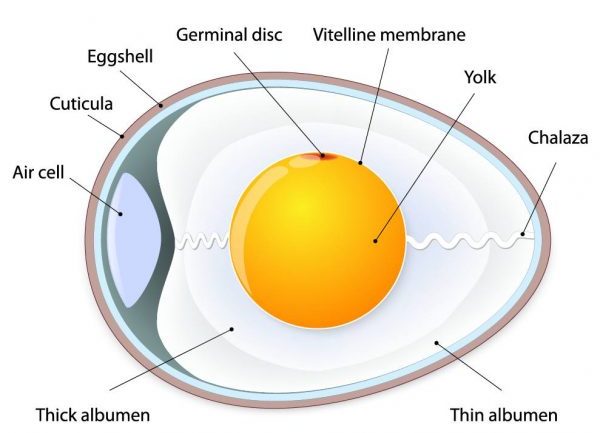
(b) Explain the uses of egg in cookery and bakery.
Eggs are one of the most versatile ingredients used in both cookery and bakery. They provide a wide range of functions such as binding, leavening, emulsifying, and adding richness to dishes. Here are some common uses of eggs in cooking and baking:
- Binding: Eggs are often used as a binder to hold ingredients together in dishes such as meatloaf, casseroles, and frittatas.
- Leavening: Eggs are also used as a leavening agent in cakes, soufflés, and other baked goods. When eggs are whipped, they create air pockets that help the batter rise during baking.
- Emulsifying: Egg yolks are high in fat and lecithin, which help to emulsify ingredients that normally wouldn’t mix, such as oil and vinegar in mayonnaise.
- Thickening: Eggs can be used to thicken sauces, custards, and puddings. When heated, the proteins in eggs coagulate and thicken the mixture.
- Coating: Eggs can be beaten and used as a coating for fried or baked foods such as chicken, fish, and vegetables. The egg creates a protective layer that helps the food cook evenly and adds a crispy texture.
- Richness: Eggs add richness and flavor to dishes such as quiches, omelets, and scrambled eggs.
- Glazing: Egg yolks can be used to create a shiny glaze on baked goods such as breads and pastries.
- Decoration: Egg whites can be whipped into a meringue and used to decorate cakes, pies, and other desserts.
Overall, eggs are an essential ingredient in both cookery and bakery. They provide a wide range of functions and can be used in a variety of ways to create delicious and flavorful dishes.
Q.9. (a) Draw the modern staffing of Food Production department in a large hotel.

(b) List the duties and responsibilities of Executive Chef
The Executive Chef is the head of the kitchen and is responsible for overseeing all aspects of the kitchen’s operations. Some of the key duties and responsibilities of an Executive Chef include:
- Menu Planning: The Executive Chef is responsible for creating and developing menus that are both creative and appealing to customers. This includes selecting and purchasing ingredients, managing food costs, and ensuring that the menu is profitable.
- Supervision of Staff: The Executive Chef is responsible for hiring, training, and supervising all kitchen staff, including cooks, prep cooks, and dishwashers. They ensure that staff follows safety and sanitation standards, and that they adhere to the kitchen’s procedures and policies.
- Quality Control: The Executive Chef is responsible for ensuring that all dishes meet the restaurant’s standards of quality, taste, and presentation. They taste and inspect all dishes before they are served to customers.
- Inventory Management: The Executive Chef is responsible for managing inventory levels, ordering supplies, and maintaining proper storage of food and supplies. They ensure that the kitchen is well-stocked and that inventory levels are kept within budget.
- Budgeting: The Executive Chef is responsible for creating and managing the kitchen’s budget, including labor costs, food costs, and other expenses. They work with the restaurant’s management team to ensure that the kitchen operates within its financial parameters.
- Culinary Creativity: The Executive Chef is responsible for driving culinary innovation and creativity in the kitchen. They constantly experiment with new ingredients and cooking techniques to develop new and exciting dishes.
- Health and Safety: The Executive Chef is responsible for ensuring that the kitchen operates in compliance with all health and safety regulations. They ensure that staff is trained in safe food handling practices and that the kitchen is maintained in a clean and sanitary manner.
- Customer Service: The Executive Chef works closely with the restaurant’s management team to ensure that customer satisfaction is a top priority. They work to ensure that dishes are prepared to meet customer preferences and expectations.
Overall, the Executive Chef is responsible for ensuring that the kitchen operates efficiently, that staff is well-trained and supervised, and that customers receive high-quality dishes that meet the restaurant’s standards of quality and presentation.
Q.10. (a) Classify raising agents
Raising agents can be classified into three categories:
- Biological: These are natural raising agents that rely on the action of microorganisms like yeast and bacteria to produce carbon dioxide gas, which causes the dough or batter to rise.
- Chemical: These are synthetic raising agents that react with moisture and heat to release carbon dioxide gas.
- Physical: These raising agents rely on mechanical or physical means to incorporate air into the dough or batter, which causes it to rise.
(b) Explain the chemical raising agents
Chemical raising agents are substances that react with moisture and heat to release carbon dioxide gas. The most common chemical raising agents used in baking are baking soda (sodium bicarbonate) and baking powder. When these substances are mixed with an acidic ingredient like buttermilk or lemon juice, they undergo a chemical reaction that produces carbon dioxide gas. The gas gets trapped in the dough or batter, causing it to rise.
Baking soda is a simple chemical raising agent that reacts with acidic ingredients to produce carbon dioxide gas. It is often used in recipes that contain acidic ingredients like buttermilk or yogurt.
Baking powder is a combination of baking soda, cream of tartar, and sometimes cornstarch. It is a double-acting raising agent, meaning that it produces carbon dioxide gas twice: once when it is mixed with moisture and again when it is exposed to heat. This makes it more reliable and consistent than baking soda alone.
Chemical raising agents are important in baking because they allow for more control over the rising process. They are especially useful in recipes that do not contain acidic ingredients or that require a specific level of rising. However, it is important to use the correct amount of raising agent specified in the recipe, as too much or too little can affect the texture and flavor of the final product.