Licenses & Permits for Hotels If you are planning to open a hotel or a restaurant in India, it is a good idea to know about the licenses needed to open a hotel in India. Some are absolutely mandatory while others are optional in some states. Some license need to...
Himanshu Rajak
Contributions by Himanshu Rajak on hmhub
Food Safety and Standards Authority of India (FSSAI)
Food Safety and Standards Authority of India (FSSAI) What is FSSAI? Food Safety and Standards Authority of India (FSSAI) is an autonomous statutory body established under the Food Safety and Standards Act, 2006 (FSS Act). Ministry of Health & Family...
Soups
Soups are generally warm food made by combining ingredients such as meat and vegetables with stock, juice, water, or another liquid. Hot soups are characterized by boiling solid ingredients in liquids in a pot until the flavors are extracted, forming a broth....
Foreign Exchange Regulations
Foreign Exchange Regulations FERA - the four-letter acronym for Foreign Exchange Regulation Act is a legislation that came into existence in 1973 with the purpose to regulate certain dealings in foreign exchange, impose restrictions on certain kinds of payments...
Basic Recipes of Consommé with 10 Garnishes
What is consommé? The consommé comes from the word ‘consummate’ which means to bring to complete or perfect. It is a clear soup which is prepared from beef, chicken stock, and garnish with verities of ingredients. This can be served hot or chilled, consommé take it...
Egg Cookery
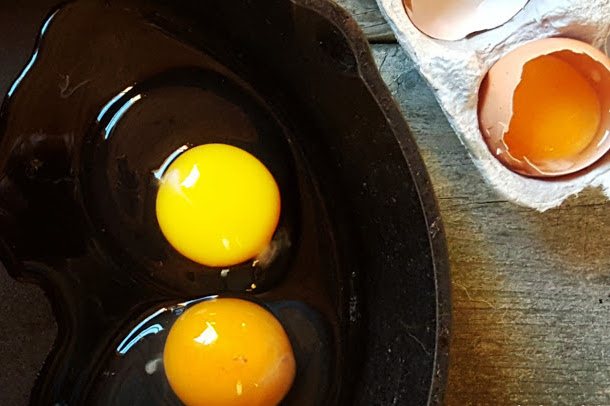
Introduction to Egg Cookery An egg is a nutritious alternative source of protein to ovavagens. It is packed with a lot of protein and other energy-giving nutrients. Initially, eggs were treated as non-vegetarian in nature, but today science has proved that...
Structure of an egg
The egg is primarily made up of shell, membranes, air cell, albumen, chalazae, vitelline membrane, and yolk. Shell Bumpy and grainy in texture, an eggshell is covered with as many as 17,000 tiny pores. Eggshell is made almost entirely of calcium carbonate (CaCO3)...
Tamilnadu Cuisine
Tamilnadu Cuisine Introduction Tamil Nadu is famous for its deep belief that serving food to others is a service to humanity, as is common in many regions of India. The region has a rich cuisine involving both traditional vegetarian, as well as non-vegetarian dishes....
Selection of an Egg
Selection criteria of an egg are as follows: A fresh egg is heavy. As the egg gets older it loses water through the shell making air pocket larger so the older the egg, the lighter it will be. One way of judging the quality is by observing the condition of the shell....
Bengali Cuisine
Bengali Cuisine History 1) A distinct culinary tradition emerged in Bengal based on the availability of local ingredients. The great river systems, heat and humidity combine with the fertile soil to allow rice and an abundance of vegetables to thrive; these became...
Uses Of Egg In Cookery
Various uses of egg in culinary BindingCoatingLeaveningEmulsifyingThickeningDecoration and GarnishingClarifying Binding Addition of eggs to minced mead and mashed vegetables etc. helps to bind the mixture. As the heat coagulates, the proteins are bound into a cohesive...
Andhra Pradesh Cuisine (Telugu Cuisine)
Andhra Pradesh Cuisine (Telugu Cuisine) Introduction The cuisine of Andhra is based mostly on regional variation, its rich cultural heritage and the influence of the Royal recipes from the Nawabs. The cuisine of Andhra Pradesh is mixed between the eating habits of...
Rajasthani Cuisine
Rajasthani Cuisine Introduction Fascinating Rajasthan Cuisines were influenced by the geomorphology and political conditions of the region of Rajasthan. Like the state itself, its inhabitants and its rich culture, Rajasthani cuisine is a splendid array of colourful,...
Gujarati Cuisine
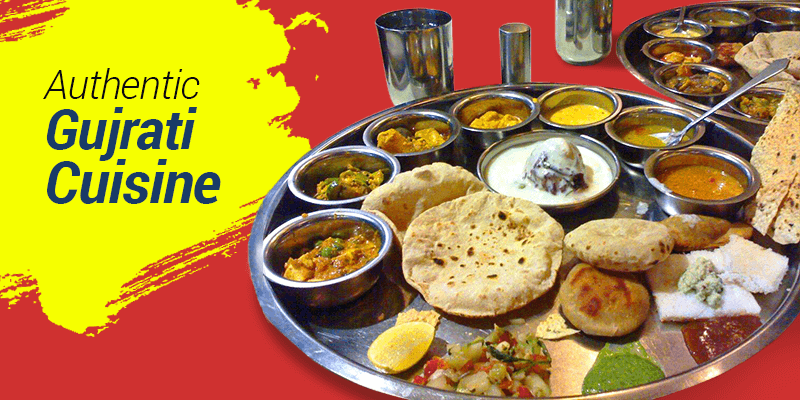
Gujarati Cuisine Introduction The traditional Gujarati food is primarily vegetarian and has a high nutritional value. Gujarati cuisine is in many ways unique from other culinary traditions of India. It is one of the few cultures where a majority of people are...
Kashmiri Cuisine
Kashmiri Cuisine Introduction The history of modern Kashmiri cuisine can be traced back to the fifteenth-century invasion of India by Timur, and the migration of 1700 skilled woodcarvers, weavers, architects, calligraphers and cooks from Samarkand to the valley of...
Punjabi Cuisine
Punjabi Cuisine Introduction and Culinary History Punjab, the land of the five rivers-Beas, Satluj, Chenab, Ravi and Jhelum, is also called the land of milk and honey. Perhaps it would be appropriate to call it the land of plenty!! Punjabi cooking and eating are just...
Goan Cuisine
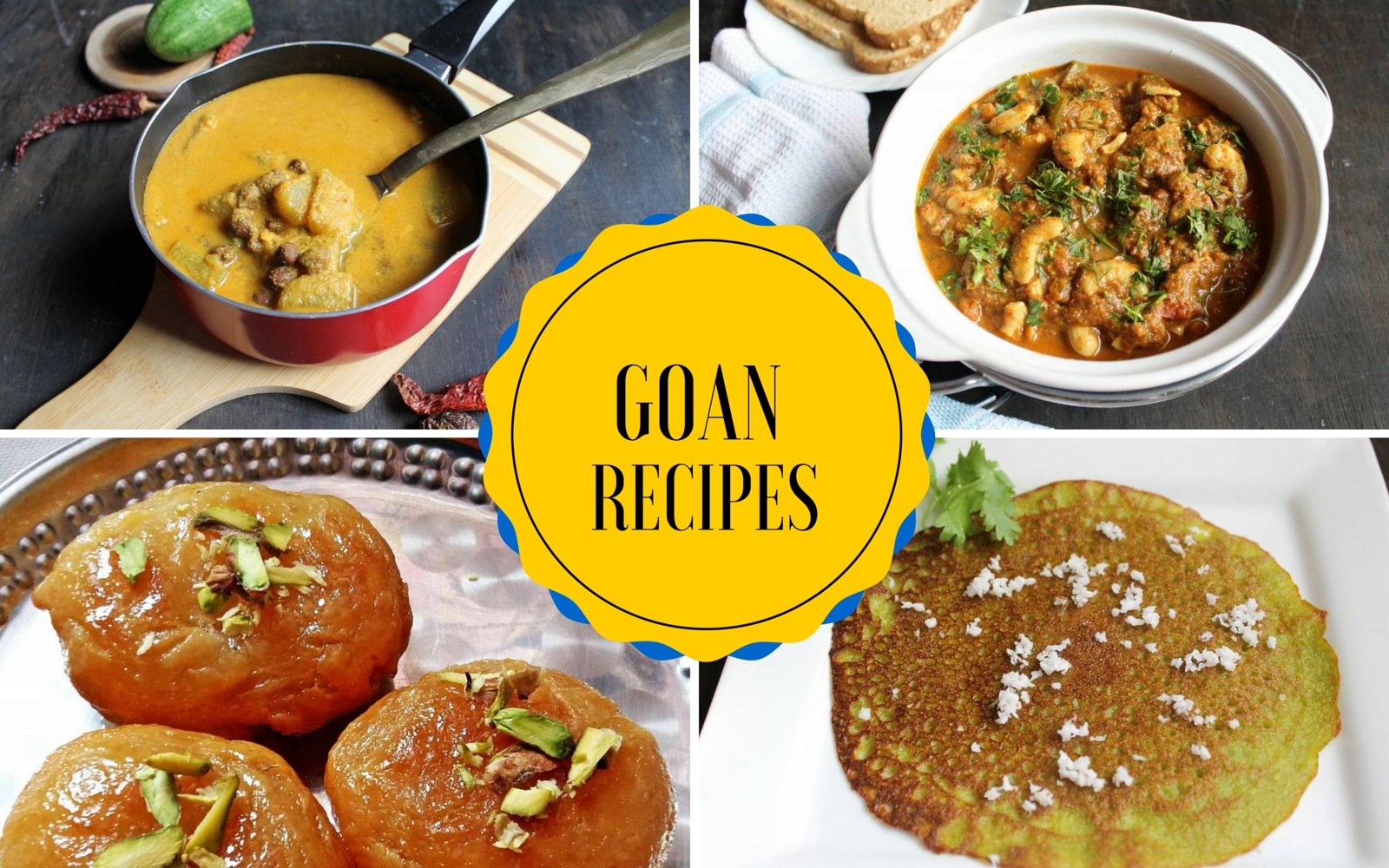
Goan Cuisine Introduction Goa is famous because of its 451 years history and dominant culture. Mughals ruled all over India but the Portuguese had a stronghold over Goa and thus similarity in cuisine. Port city of Goa up the Mandvi river traded in everything from...
Mughlai Cuisine
Mughlai Cuisine Historical Background During the sixteenth and seventeenth century the splendour and opulence of the Mughal courts were at the zenith-the like of which had not been seen in over a thousand years. Between 1626 and 1712 the Mughal emperors, Turks by...
Hyderabadi Cuisine
Hyderabadi Cuisine Introduction Hyderabadi cuisine is a very sumptuous part of Andhra Pradesh food. Hyderabadi cuisine is a princely legacy of the Nizams of Hyderabad, India. The city was founded by the Sultans of Golconda, who has developed its own cuisine over the...
Maharashtrian Cuisine
Maharashtrian or Marathi cuisine is the cuisine of the Marathi people from the Indian state of Maharashtra. It has distinctive attributes while sharing much with other Indian cuisines. Traditionally, Maharashtrians have considered their food to be more austere than...
Commodities: Shortenings (Fats & Oils)
Fats are solid at room temperature and melt when heated. Those used in cooking include butter, margarine, lard, suet, and hydrogenated fat. Oils are liquid at normal temperatures but solidify at lower temperatures. Those commonly used in cooking are peanut...
Famous Indians Sweets
Indians Sweets Introduction When it comes to Indian Cuisine and food one thing cannot be overlooked...Our love for Sweets! Most Indians have a sweet tooth or a mouthful of them, to say the least. It's not uncommon to see huge crowds at Sweet stores across the Country....
Raising Agent Or Leavening Agent
Leavening or raising means to increase the surface area of any dough or batter by creating gas bubbles inside the dough or batter. This also makes a product light in weight. The expansion of gas bubbles during baking increases the volume of the product and gives a...
Thickening Agents
Thickening agents give body, consistency, and palatability when used. They also improve the nutritive value of the sauce. Flavored liquids are thickened and converted into soups, sauces, gravies, and curries, etc. In other words, binding agents are used to...
Importance of Sugar
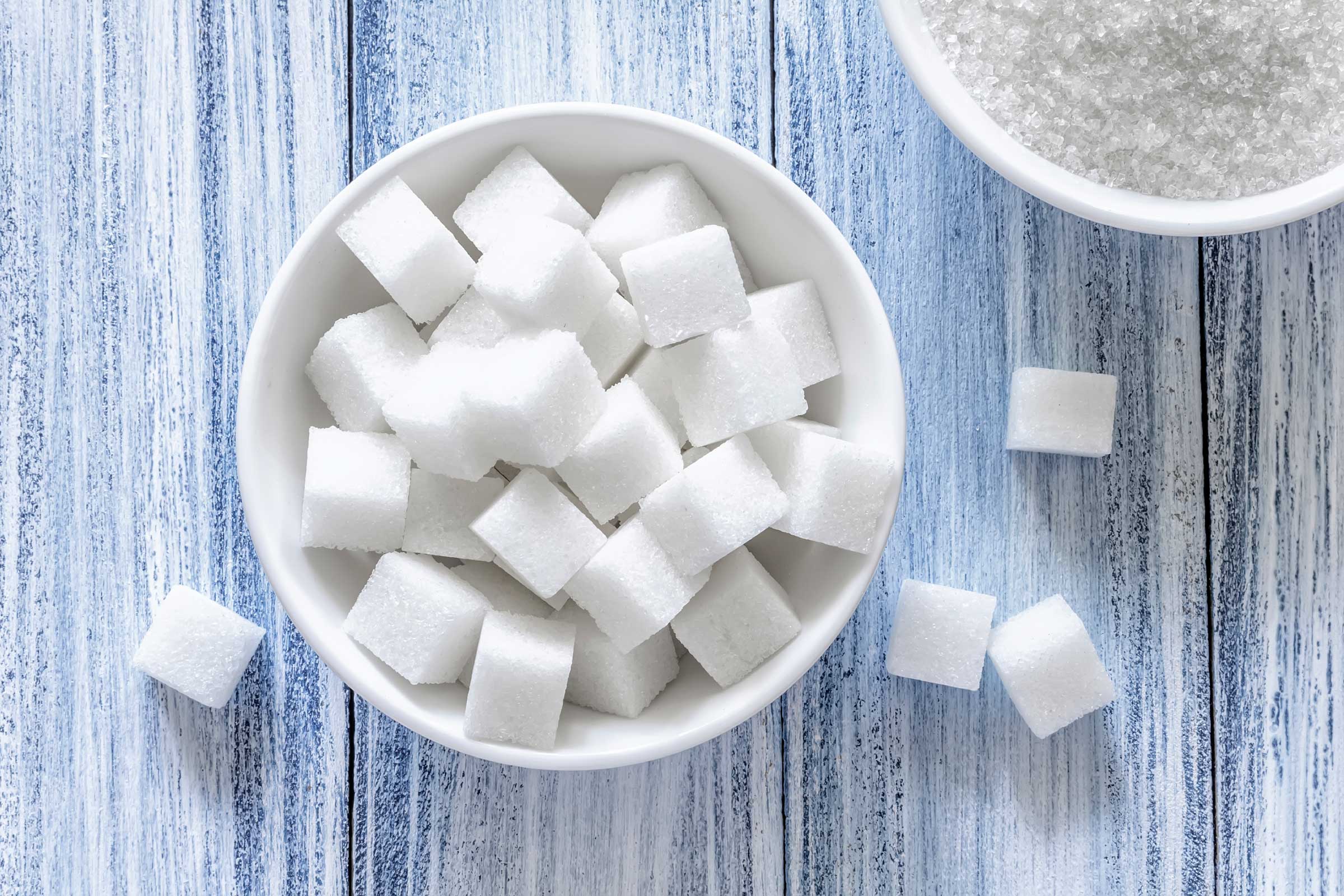
Sugar is not only added to food for taste, but also for functional reasons. Sugar alternatives or low sugar foods may not be healthier. Removing sugar can be technically challenging. Important roles of sugar Aside from making some foods more palatable and providing...
Types of Sugar
Major Types of Sugar The sugar products produced worldwide are divided into following four categories: Granulated SugarBrown SugarLiquid SugarInvert Sugar Granulated Sugar Granulated sugar is also known as white sugar, or “regular” sugar. It is further...
Cooking of Sugar – various stages
There are 7 stages of cooking sugar. Thread: Cooked to 230° to 234°. The syrup spins a soft, loose, short thread. Soft Ball: Cooked to 234° to 240°. The syrup forms a soft, pliable, sticky ball. Firm Ball: Cooked to 244° to 248°. The syrup forms a firm, but still...
Types of Business – Sole Proprietorship, Partnership, Companies etc.
Sole Proprietorship Sole Proprietorship in simple words is a one-man business organization. It is the type of entity that is fully owned and managed by one natural person (not a legal person/entity) known as the sole proprietor. The business and the man are the same,...
Some Models of Organisational Change
1. Lewin’s Change Management Model Lewin’s Change Management Model is one of the most popular and effective models that make it possible for us to understand organizational and structured change. This model was designed and created by Kurt Lewin in the 1950s, and it...
Introduction to International Marketing: A World of Business Opportunities
Discover the scope and conceptual framework of international marketing in this informative guide. Learn how businesses navigate cultural, legal, and financial environments to succeed in global markets.