Topic wise notes as per new NCHM-JNU syllabus (for B.Sc HHA & M.Sc HA) are are now available at our new website hospitality.institute
Select Page

Classification of Wines

by

Types of wines

Still Wines

  1. This is the largest category. The alcoholic strength may be between 9% and 15%  by volume. The wines may be:
  2. Red: being fermented in contact with grape skins from which the wine gets its colour. Normally dry wines.
  3. White: usually produced from white grapes, but the grape juice (must) is usually fermented away from the skins. Normally dry to very sweet.
  4. Rose: made in three ways – from red grapes fermented on the skins for up to 48 hours; by mixing red and white wines together; or by pressing grapes so that some colour is extracted.
  5. It may be dry or semi-sweet. These are called blush wines in the USA when made wholly from red grapes.

Sparkling Wines

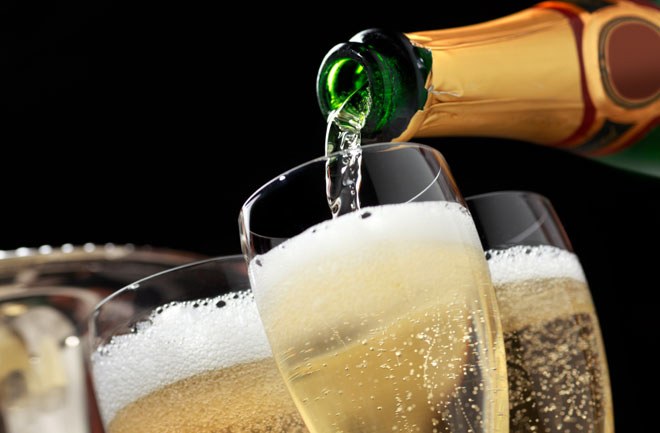
  1. The most famous is Champagne. This is made by the methode champenoise (secondary fermentation in the bottle) in an area of north-eastern France.
  2. Effervescent wines made outside this area are called vins mousseux or sparkling wines and are made by either the methode champenoise (now to be called methode traditionelle), the Charmat method (tank fermented and sometimes termed the methode cuve close), the transfer method, or the carbonation method.
  3. They may vary from brut (very dry), sec (medium dry), demi-sec (medium sweet), to doux (sweet).Classification of Wines 1

Fortified Wines

  1. Fortified wines such as Sherry, Port and Madeira have been strengthened by the addition of alcohol, usually a grape spirit.
  2. These are now known within the EC as liqueur wines or vins de liqueur. Their alcoholic strength may be between 15% and 22%, by volume.
  3. Sherry (from Spain) 15-18% ; made from white grapes -fino (dry), amontillado (medium), oloroso (sweet)
  4. Port (from Portugal) 18-22% ; strong sweet; typically drunk as a dessert wine – ruby, tawny, vintage character, late bottled vintage, vintage
  5. Madeira 18% (famous dessert wine; made on the Portuguese island of Madeira) – Sercial (dry), Verdelho (medium), Bual (sweet), Malmsey (very sweet)
  6. Marsala 18% – a dark sweet wine from Marsala in Sicily

Aromatised Wines

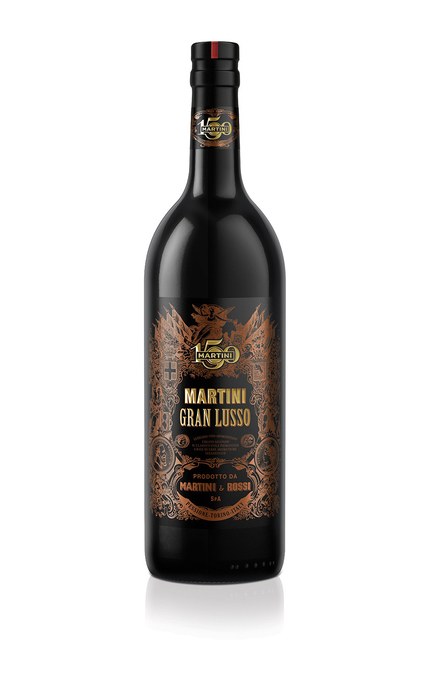
  1. These wines are aromatized with herbs, bark, spices, roots, etc.  An aromatised wine must have a minimum alcohol content of 14.5% by volume and a maximum alcohol content of 22% by volume according to EU law Council Regulation (EEC)
  2. The majority of older brands come from France and Italy but there are now a range of small ‘craft’ producers around the world.
Classification of Wines 2

How useful was this post?

5 star mean very useful & 1 star means not useful at all.

Average rating 4.6 / 5. Vote count: 48

No votes so far! Be the first to rate this post.

We are sorry that this post was not useful for you! 😔

Let us improve this post!

Tell us how we can improve this post?

Syllabus BHM202 (T)

01 Alcoholic Beverage

  1. Introduction and definition
  2. Production of Alcohol
    1. Fermentation process
    2. Distillation process
  3. Classification with examples

02 Dispense Bar

  1. Introduction and definition
  2. Bar layout – physical layout of bar
  3. Bar stock – alcohol & non-alcoholic beverages
  4. Bar equipment

03 Wines

  1. Definition & History
  2. Classification with examples
    1. Table/Still/Natural
    2. Sparkling
    3. Fortified
    4. Aromatized
  3. Production of each classification
  4. Old World wines (Principal wine regions, wine laws, grape varieties, production and brand names)
    1. France
    2. Germany
    3. Italy
    4. Spain
    5. Portugal
  5. New World Wines (Principal wine regions, wine laws, grape varieties, production and brand names)
    1. USA
    2. Australia
    3. India
    4. Chile
    5. South Africa
    6. Algeria
    7. New Zealand
  6. Food & Wine Harmony
  7. Storage of wines
  8. Wine terminology (English & French)

04 Beer

  1. Introduction & Definition
  2. Types of Beer
  3. Production of Beer
  4. Storage

05 Spirits

  1. Introduction & Definition
  2. Production of Spirit
    1. Pot-still method
    2. Patent still method
  3. Production of
    1. Whisky
    2. Rum
    3. Gin
    4. Brandy
    5. Vodka
    6. Tequilla
  4. Different Proof Spirit
    1. American Proof
    2. British Proof (Sikes scale)
    3. Gay Lussac (OIML Scale)

06 Aperitifs

  1. Introduction and Definition
  2. Types of Aperitifs
  3. Vermouth (Definition, Types & Brand names)
  4. Bitters (Definition, Types & Brand names)

07 Liqueurs

  1. Definition & History
  2. Production of Liqueurs
  3. Broad Categories of Liqueurs (Herb, Citrus, Fruit/Egg, Bean & Kernel)
  4. Popular Liqueurs (Name, colour, predominant flavour & country of origin)